

Tom H.
-
Posts
654 -
Joined
-
Last visited
-
Days Won
39
Content Type
Forums
Gallery
Store
Everything posted by Tom H.
-
Nissin or Meike for portability, for proper hardcore ttl work, the Fuji will be probably the better choice. If you don't need ttl, but ruggedness, I'd look at Yongnuo, Cactus or Lumopro.
-
 Wrist straps can be quite comfortable, at least my peak design one is. I don't see the benefit of it being "anti-theft" though. For a bag that could be quite useful, but if they really want to steal the camera when you're carrying it, they'll just threaten or beat you anyway... Pacsafe makes some nice stuff, but I think there are better options for a wrist strap.
 -
How do lens caps break? Mine occasionally fall off, especially the Fuji ones, but I've never seen one break before... And I'm famously careless with my gear :-)
-
I've sent postcards from Italy that took six months to make it to Belgium, so it is possible that the problem is not him but the shipping... Still, no need for him to be rude to his customers if that were the case.
-
Thanks, I'll check those out.
-
I know there are plenty of options, that's why I was looking for a recommendation other than "try them all"...
-
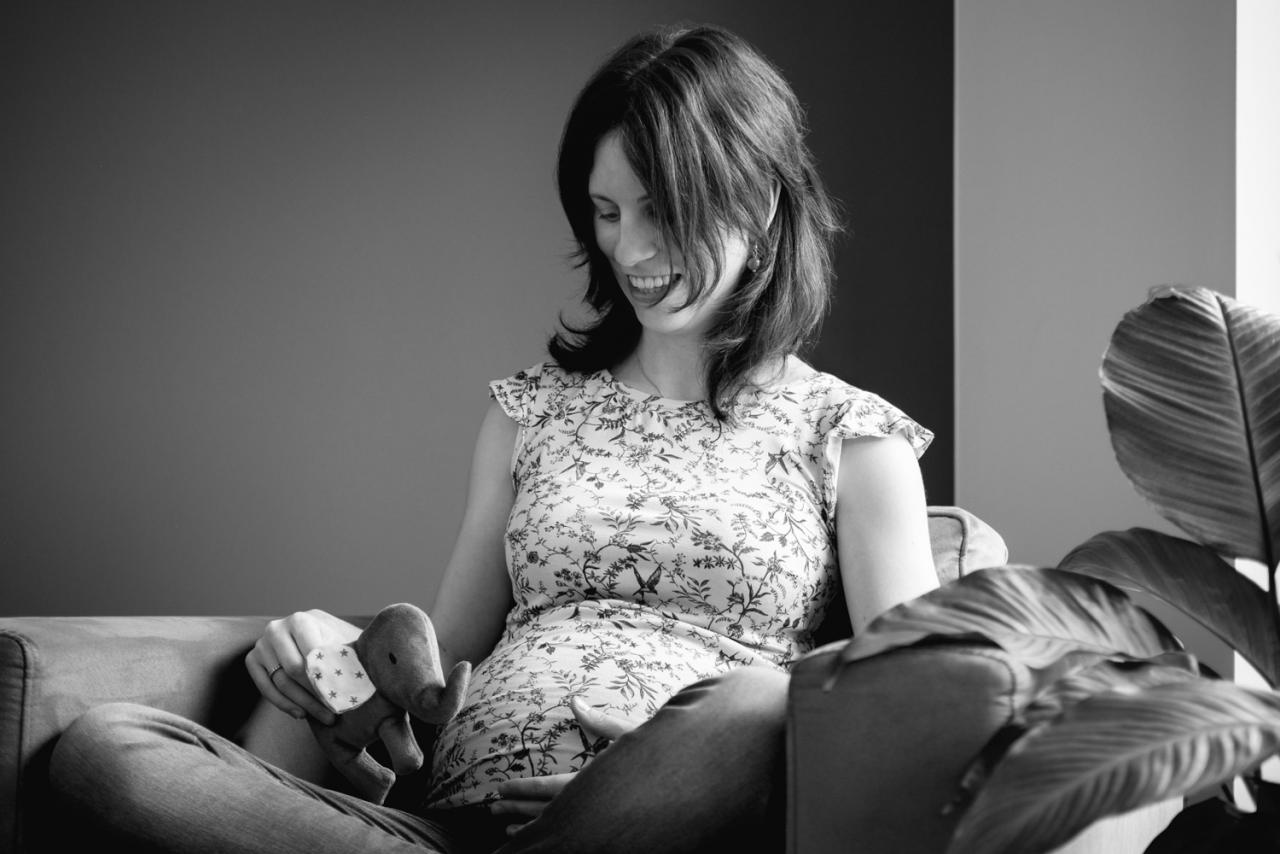
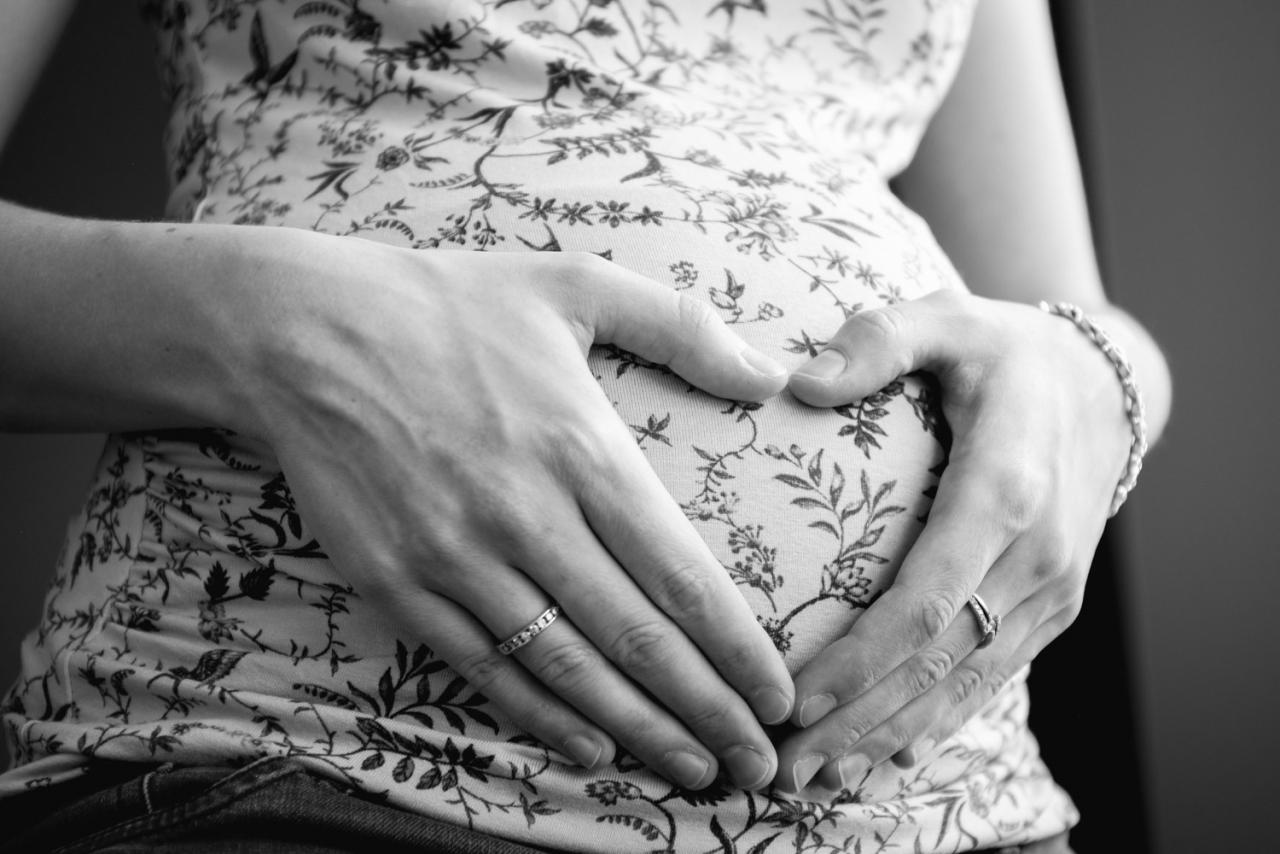
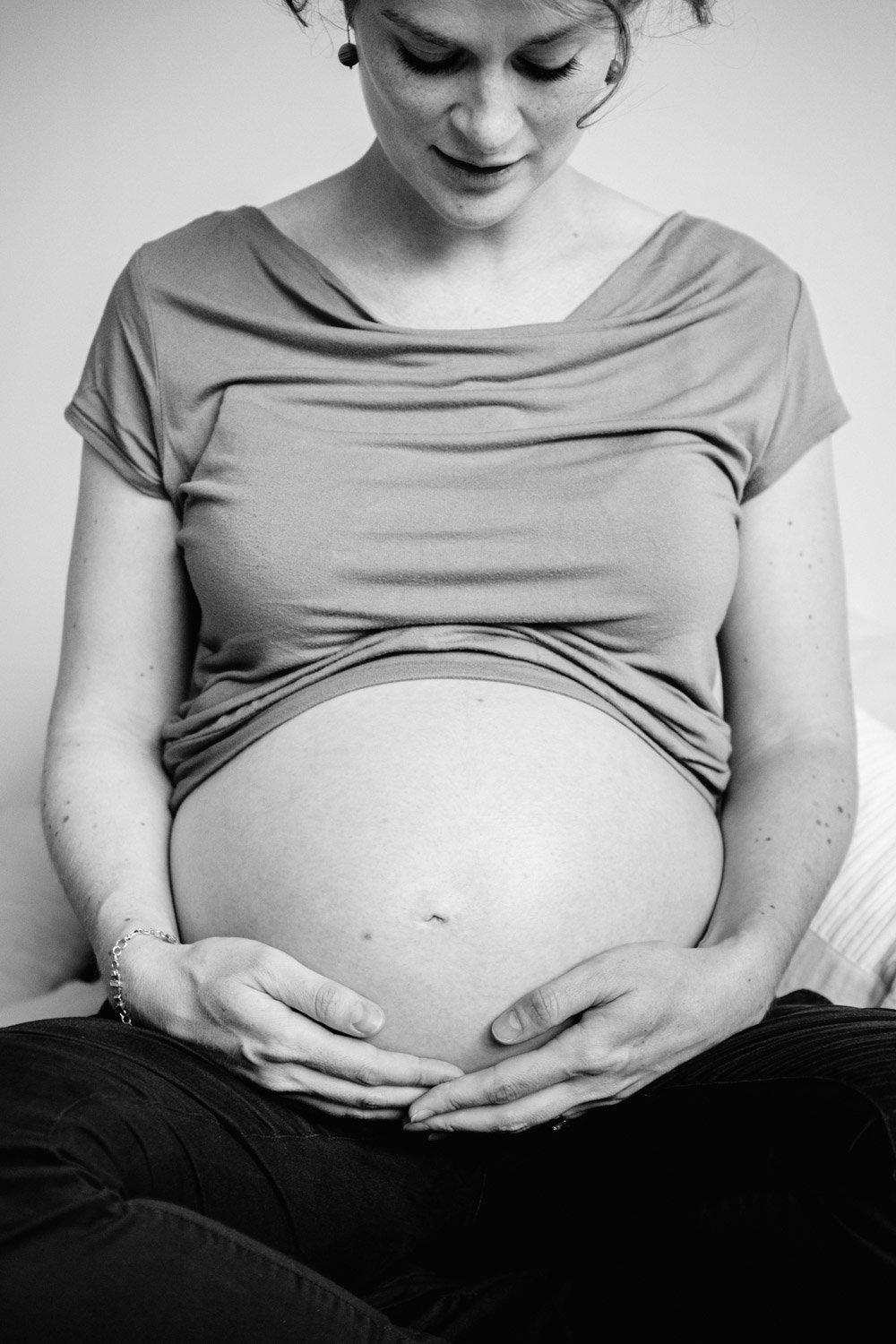
Haven't posted much lately, but I've had other things on my mind than photography. Portrait of my wife and one of our best friends, both at 7 months now... X100T and TCL.

-
Frod nailed it. Some people think landscapes implies wide angle lenses and portraits need telephoto lenses. Any lens can do anything you want, as long as you don't forget what certain fields of view do to your image, of how close or far you need to be to get certain effects... The wider you go, the more you need to think about what your subject is and how to frame it.
-
Première is 25 bucks a month. I don't mind paying 300 once, if it will last me a while. But 300 a year is just too much.
-
Hi all, Since the X-T2 will have vastly improved video capabilities, I'm considering dipping my toes in video again. It's been a decade since I did any serious video editing. Any recommendations on a software package considering the following? - Windows compatible - Not hilariously expensive - Easy-ish to learn
-
Once you've taken sufficient amount of pictures, people start asking questions. But rarely are they the sort of questions you'd imagine, such as "Where do you find inspiration?" or "Why did you take that picture?". No, most of the time, if not all the time, the only question you get asked is "What gear do you use?". As tiring as I find the question, maybe it's time I give you my thoughts on that subject, at least when it comes to travelling. I've had some private messages from users asking about gear and I find it's easier to answer all of them in one big swoop. My main concern nowadays is the creative part of photography. Gear used to occupy my mind a lot more until a couple of years ago. These days, I'm happy to use whatever happens to be available to me. Since I travel a lot for work, my preference is always to carry as little as possible to get the job done. Reducing the gear to the bare essentials helps you enjoy the trip and focus more on the scene and subject... Last 18 months I've taken more pictures than ever before, yet I've never used as little gear as I currently do... Camera choices So let's start with cameras. I currently use Fujifilm bodies and lenses as my digital cameras. I have a X100T and a X-T2 should be arriving shortly. For film work, I use a variety of older cameras, including a Nikon FM2 and Hasselblad Xpan. I find that any current modern APS-C or larger sensor is more than adequate for most photography, so whatever it is you use or prefer should be able to do the trick. I like Fujifilm bodies mainly because they are small and feature the same manual controls as old film cameras. They're nice to look at too, so that's a bonus. DSLR's still have their place, but for travel, I usually go with the "less is more" mantra. Any mirrorless camera of the latest generations is a good bet as a travel cam. One camera is fine, two at most with one lens each. Lenses I usually pair two focal lengths together. I tend to go with either 24mm & 50mm or 35mm & 85mm as complementary focal lenghts. The gaps in between standard focal lengths are usually redundant I find, so prime lenses are usually my go to choice. You could go with a 24-70mm or similar zoom lens, but I'd rather have the faster apertures and lighter weight of a prime. Usually, I only keep one prime on the camera (35mm or 50mm) and keep the other lens in the bag. I rarely switch them during any given day, unless I really need a different field of view. There are "travel zooms", like a 24-200mm zooms, but I've never seen one that I liked. You usually trade image quality for reach, and that is not usually a compromise I'm willing to make. Unless you are sure you need a long telephoto lens, I usually recommend leaving the longer focal lengths at home. Good telephoto zooms or primes tend to be heavy, and I've rarely used one if I bothered to drag it along. If you are sure you need it, longer is nearly always better. I'd recommend at least something in the 600mm range for birds and wildlife, so usually your choice will be a 150-600 zoom, or a fast 300mm prime with a 1.4x or 2x teleconverter. I find the 70-200 lenses usually too specific for travel, and you can always take a nice portrait with a 50mm or 85mm anyway, as long as you get a few steps closer to the subject. Narrowing down the options to one or two focal lengths, helps focus more on subject, scene and composition. It doesn't matter if you can't get every possible shot. What usually happens is you'd either miss the moment while contemplating what lens and gear to use, or you'd never even experience the moment because you got tired from hauling everything around all day. The point is to enjoy yourself, as soon as that happens, the shots will follow. No matter what gear you happen to carry at the time. The more you use a single focal length, the more you will get used to seeing the frame without even raising the camera to your eye. Accessories As little as possible. I usually only bring the following and anything else I brought stays in the safe at the hotel. One or two extra batteries, just enough to last the day. I've never used up more than two batteries on any given day with my Fujifilm cameras. But I keep the camera switched off untiI I see something. By the time I've raised it to my eye, it's on again anyway. For film cameras, one spare battery of whatever type they use. A lens pen. Just in case I really messed up my front element or filter. I don't even bother with the occasional dust specks until it gets really dirty. Cura Lens Cleaner & Wipes works even better if you can find it, they have tiny travel sized kits. And those are better for old film cameras and lenses. My phone. I use offline maps a lot to navigate a city and mark interesting places beforehand. I never bother with paper maps anymore. Also, how else will you capture those pesky Pokémon? My ID, a debit card, a credit card, some cash. Maybe a public transport card, like Oyster. Everthing else stays in my wallet in the safe. I keep the cards and money in my front pocket. A small hex key to unlock an Arca Swiss plate, if I'm using one (like for the Peak Design Capture Pro clip). Sometimes, I bring a battery pack to charge the phone, since it's battery life is just plain bad. As an added bonus, the battery pack is also compatible with the Fujifilm X100T and hopefully also the X-T2 via the built-in usb micro port. I have pale skin, so maybe depending on the weather, some sunblock in a small tube. If you shoot film, two or three extra rolls tops. Bags and straps If you're hiking, a backpack is usually the best choice. LowePro and ThinkTank used to be my go-to brands, but the most interesting one at the moment looks like the new Peak Design ones that are in their new Kickstarter campaign. Check out their new Kickstarter here. They are in the same price bracket as the others, but are way more modular and the coating on the shell is superior. For everything else, I'd recommend a messenger bag. The messenger bags are usually less conspicuous in a city than a big backpack or dedicated camera bag. I currently use a ThinkTank Retrospective 5, but later this year the new Peak Design Sling bag will hopefully fix the minor things that bug me about the Retrospective. I like leather bags a lot, but given how expensive they are, I can't justify squishing it into my luggage three times a week. For me, a good bag takes care of the following requirements: It shouldn't be too heavy and should fold as flat as possible when not in use. I keep my cameras in a backpack or flightcase when on the plane, and store the messenger bag in my luggage. So the less space it uses, the better. If the bag is padded, I usually remove most of the padding. I find that as long as you're not totally reckless, minimal padding is just fine. A camera is still a tool and they tend to be far more rugged than people usually think anyway. It should not be too obvious that it's a camera bag. Some people like to show off how much gear they are travelling with, but I don't. At best, the bag should look like anything but a camera bag. The Retrospective series bags look old and worn, which I like. I'm curious to see how the Peak Design bags hold up. They do look more modern and utilitarian, but they don't look like every other generic camera bag out there, so at least that's a plus. Ona bags rock the looks, but I find those are more suited to take along if you happen to work in an office. It should be rain repellent. The Retrospective I currently have isn't. It comes with a rain cover, but I've never used it since it takes up space when not in use and it blocks access to the bag when used. This is where Peak Design bags have the edge with their rain repellent coating. When it pours, obviously, the best bet is still to take shelter, have a drink or a bite to eat and wait till it passes... It should be modular. I currently use a Peak Design Capture Pro Clip on the outside of my ThinkTank bag. It's handy for when I keep the camera on a strap but need both hands for something else. Instead of opening up the bag to put the camera down, I just quickly clip it onto the outside of the bag. It's also very useful for when I've already put a sweater or bottle of water in the bag. I've even attached a Cactus RF60 flash this way to the bag, so I can still travel light and only needed to worry about carrying the light stand. I wasn't sure about the use of the Capture Clips, but since using a review sample, I have to say that it's one of the few accessories I actually used every time (a lot). The option to strap a tripod or light stand to the bag should be there too. On the Retrospective, it's a bit of a Frankenstein rig but it works. Looks like the new Peak Design bags have a better system for that too, but I'll need to test it first before I can comment on it's usefulness. I use one strap, also a Peak Design one, the Slide Lite. They have locks that can be attached to every camera, so I just have locks on all lugs and swap out the swap depending which camera is in use. For evenings, I just use a wrist strap and don't even take a bag. Tripods & filters If you're travelling alone and/or your whole trip is based around taking pictures of landscapes, sure take a tripod. I like the travel sized carbon ones, but aluminium is fine too if budget is a factor. Any simple sturdy ballhead will do, there are many great options available nowadays. If you are travelling with family members or you only shoot a landscape when the opportunity arises, I wouldn't bother with a tripod. I mainly use mine at home or leave it in the car. When travelling abroad, it's mostly just too much hassle. Especially in cities, tripods are a pain and do little else but slow you down. A good intermediate is something like a monopod with a fluid base and tiny extendable feet. They are mostly used for video shooters, but they work fine for pictures too up to a certain point, and are far more easy to store and carry around. Unless you are shooting landscapes or long exposures from a tripod, you don't need to bother with a filter kit. The occasional shot without will be fine. Obviously if you are a dedicated landscape shooter, you'll need at least the tripod and a few filters. I don't use them so I can't recommend any specific brands or sets. Lights For travel, a TTL capable flash with an adjustable head is just fine. Modifiers are not really a must and I like the tiny flashes for travel, like Meike or Nissin. I actually don't bother with flash for travel at all, but I get the point of people who need one. You could tape a quarter or half CTO gel to the head just to warm up the light a bit to avoid that "deer in the headlights-look". If you need a modifier, MagMod to me is the gold standard, but I leave those at home for serious shoots. Some tips? Wear comfortable shoes. But make sure you don't turn up in white sneakers either. That's just not classy at all. Don't worry too much, enjoy yourself first and foremost. You don't need pictures of everything and everyone. Go eat where the locals eat. If the menu has pictures on it, run. Smile and talk to people, but don't go bother everyone with your life story either. Learn a few words in the local language. The fun parts of travel are often the unexpected ones, don't be scared to improvise and do something other than the highlights. Pictures are there to reminisce on the memories of your travels, they are not the point of travelling.
-
- 5
-

-
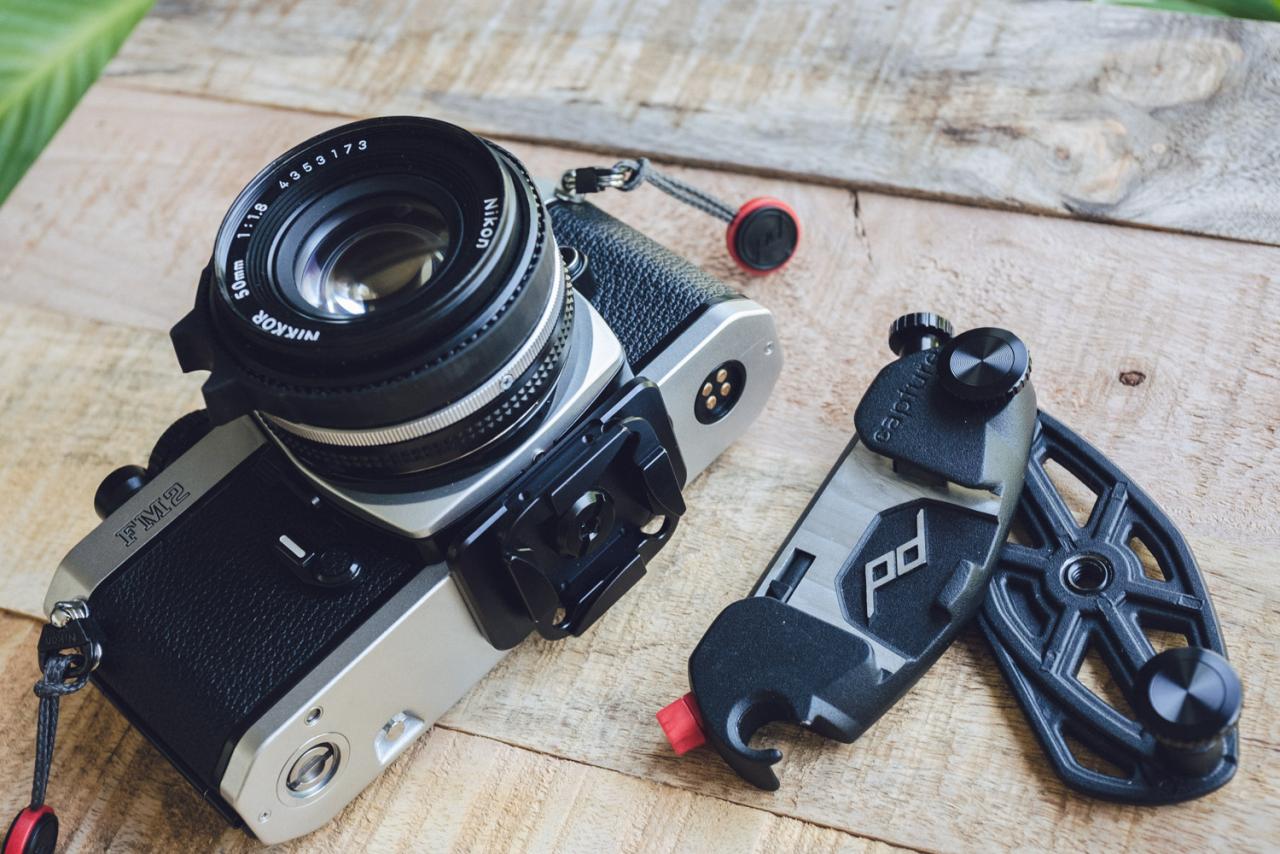
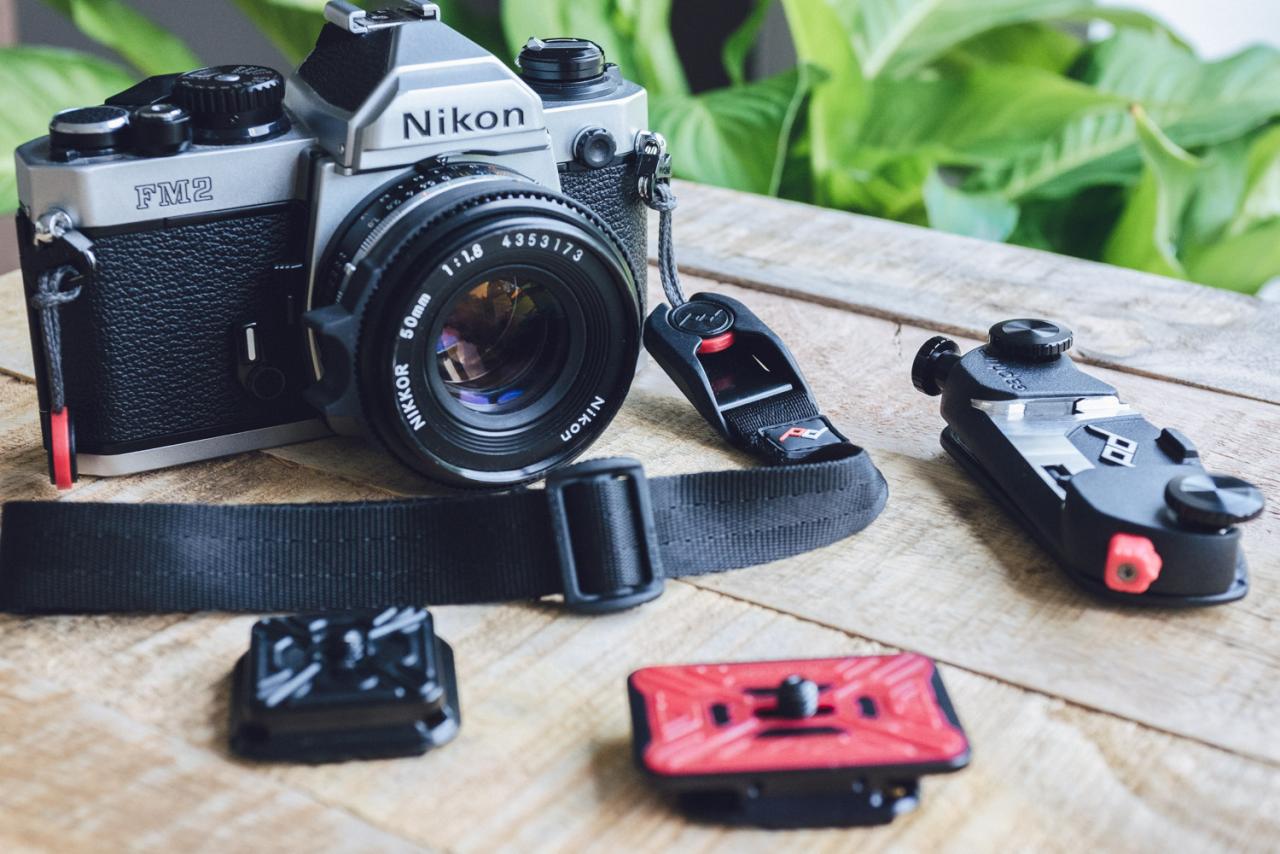
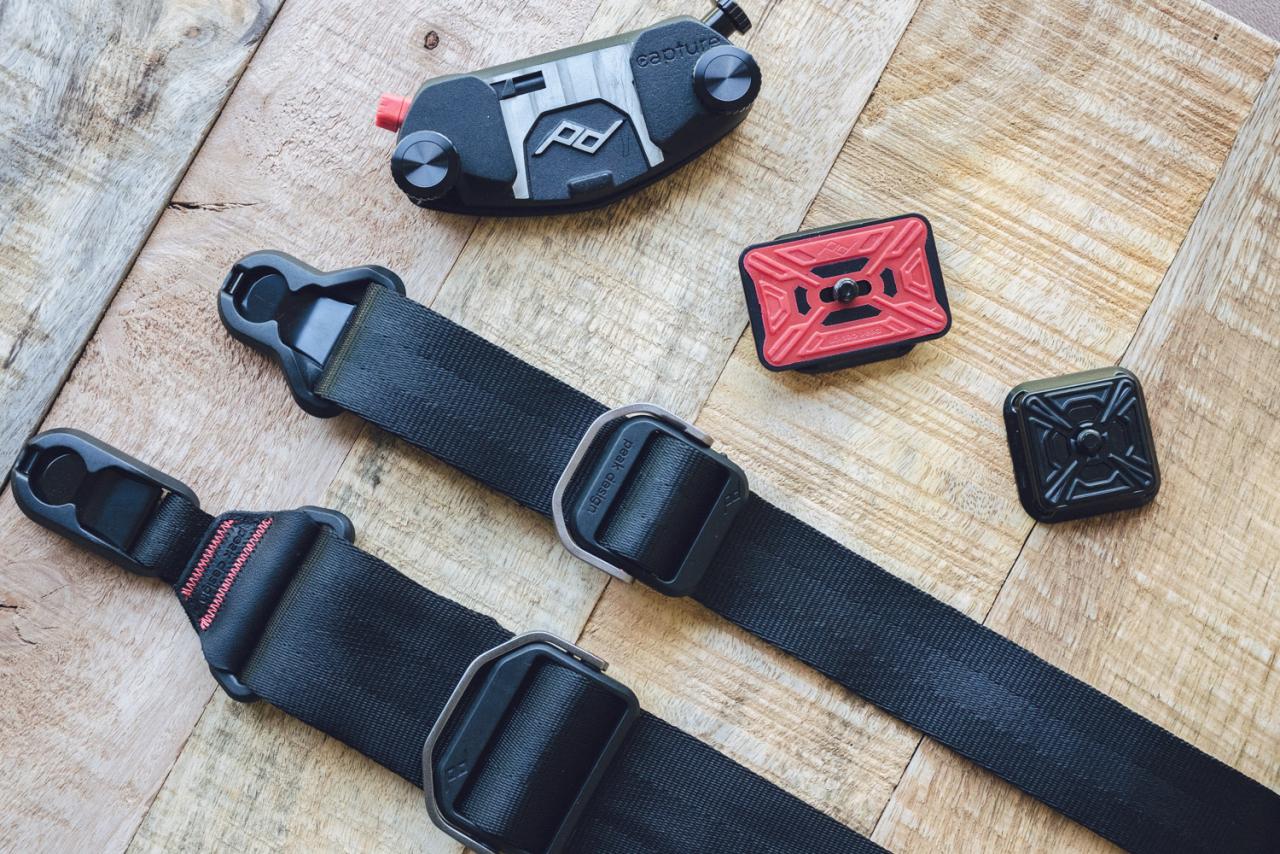
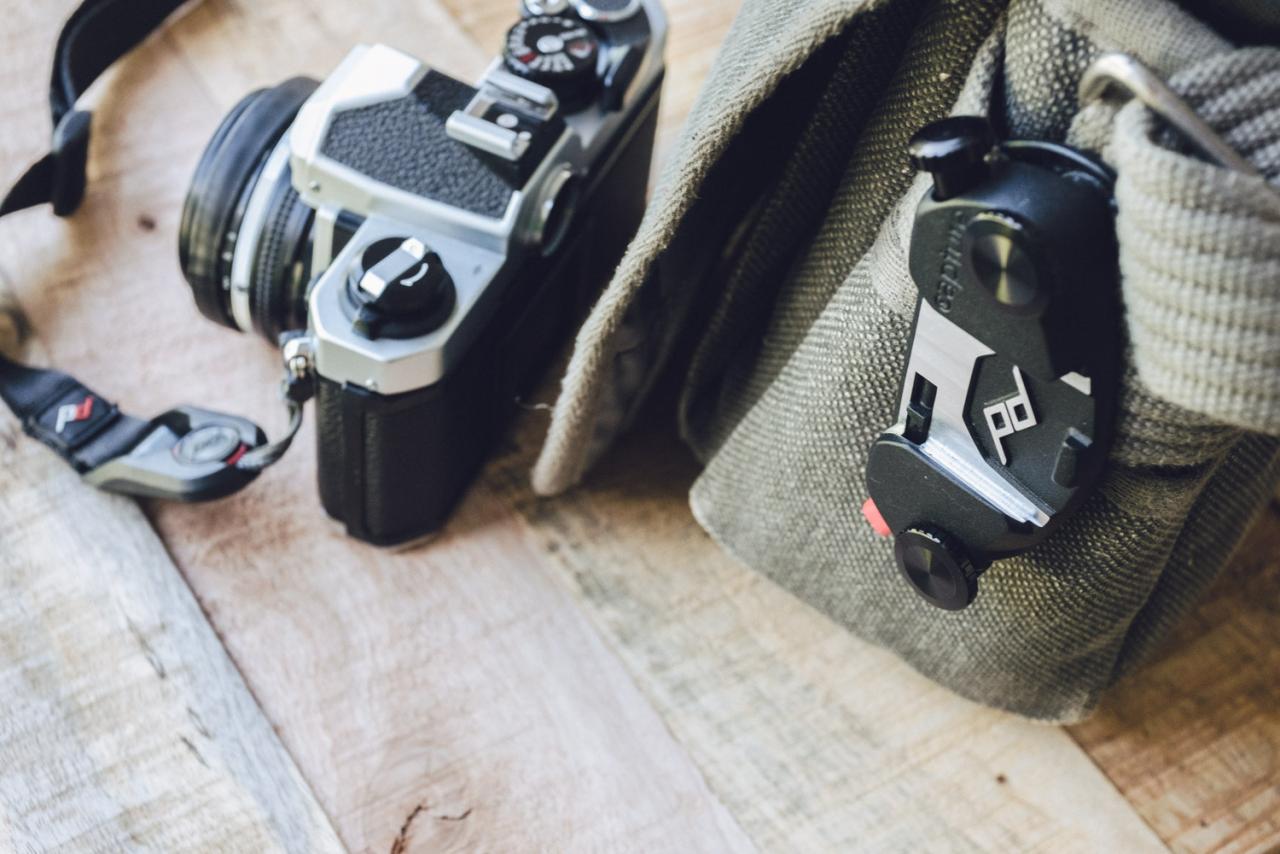
The good folks over at Peak Design were kind enough to provide me with a review copy of their Capture Pro Clip, so I thought I'd share my thoughts on it here. I already own their Slide, Slide Lite and Wrist Straps, so feel free to comment or ask questions on any of those too. I've been writing a bigger article on travel gear and this little engineering marvel arrived just in time to make the cut. I kept this review separate from my other post, which is also on the forum. If you're not familiar with Peak Design, then I suggest you head over to their website or their latest Kickstarter campaign (something for which they are rightly famous). Currently their latest campaign features 4 different bags, of which I'm especially looking forward to the Sling or perhaps the Backpack. If I can get my hands on a review copy, I'll be sure to share my experiences. Prices are lowest during the campaign, so go and check them out here. They are one of those rare brands that actually listen to their customers, like Fuji and MagMod. The product It's a clip that fastens to just about anything that is not too thick, like a belt or a backpack strap. I've been using mine attached to my messenger bag, either on the side (where there is a loop) or on the strap itself. I have tried it on my backpack too and it fits just fine. I don't often use my backpack, so I prefer to keep it where I will get the most use out of it. It attaches and detaches within seconds if needed, so it's not a chore to quickly change it around if needed. I have to say that the fit and finish is even better than expected, even if "over-engineered" is always the case with Peak Design products. The plate comes in two sizes. The red one is the Pro version and is slightly bigger and cushioned. The smaller black one is the Regular version, and is slightly smaller. Both fit either clips and are interchangeable. Both plates are Arca Swiss compatible, the Pro plate comes with extra side plates to make it compatible with RC2 mounts as well. Apparently there are also plates available for POV GoPro's, binocular mounts and lens plates available. The Capture clip has a tripod mount as well, so you could screw it straight into the tripod and use it as a head if needed. I fasten my ball head to the tripod with superglue, so for me that won't be the case, but it's still nice to know that's an option. Where it might come in handy someday is on my Gorillapod for instance, if I can recall which box I put it in when we moved... What's nice is that the Slide and Slide Lite I bought previously, already came with a regular plate included, so now I have three plates. I keep the Pro plate on my Xpan and use the regular plates on the X100T and my FM2. There's no noticeable difference in how solid they feel when attached, all are more than rigid enough for day long walks and they didn't need fastening at all over the course of three days citytripping. I guess that for a heavy DSLR, the Pro plate is probably the best option, but for smaller cameras either will do fine. The use I have to say that while it's fun to get offered review samples, this was one of those "what on earth would I use that for?" items. I don't tend to buy a lot of stuff anymore. I like to travel as light as possible, so I keep my gear to the bare minimum at all times. If something doesn't get used, I get rid of it (or don't buy it in the first place). I remember the Kickstarter for this one, and while everything Peak Design makes looks really nice, I was not going to buy this just on that basis. So, after a week of rigid testing, how does it hold up? Well, I have to say I was pleasantly surprised. I found myself using it to the point where I had to ask myself why I didn't buy this all that time ago. Attached to my messenger bag is currently my favourite use. I like to use the wrist strap when I'm in a city, but every now and then you need your hands free for something else and it's so useful to just be able to clip the camera onto the side of my bag instead of opening up the bag itself. When I get tired of carrying it on the strap, I just clip the camera to the bag and presto, instant back and shoulder relief. The plate is omni-directional, so you can use it vertical or horizontal as needed, depending how you attached the Clip, which is very handy. The release on the clip is lockable for those who are paranoid or on serious hikes, but I found that even unlocked, it's impossible to release it when you don't want it too. The weight of the plate and clip is a non-issue. While I usually go through the trouble of reducing every bit of weight from my bag, these items are not a factor. The Clip and Plate didn't even wiggle or move, not even after walking 30km a day. The side lock to keep the camera secure is impossible to release unless you want it too, but when you need it, it's a quick one hand process. I sometimes shoot portraits outdoor with flash, and my Cactus RF60 flashes have a tripod mount on the side where the Capture plate fits perfectly, so I can just clip my flash onto the bag and keep it handy for whenever we find a good spot. This way I can take only the messenger bag on the shoot instead of having to fall back to the big backpack. All more expensive flashes tend to have side tripod mounts. I know for sure at least LumoPro has those as well. I'll have to experiment more to see what else I can attach this Clip too. The cons My X100T's battery compartment gets blocked by either plate, so to open it up I have to unscrew the plate. This doesn't take long and I've never used more than 2 batteries in any given day, so it's a non-issue for me. My memory cards last me at least a couple of days usually, so that's also not an issue. On my X-T1, it only blocks my battery compartment. I can live with having to unscrew the plate once or twice a day to change batteries. It takes about 30 seconds at most. There is an option to attach it to your belt. The con is probably that this makes you look like an idiot, so don't do that if you ask me. In general, I'm not a fan of the whole "gunslinger" look, so just use it on a strap or side of a bag. The verdict The price is rather steep for the Capture Pro Clip, but given how much this actually gets used and how solid it's built, I'd say that's justified. If you go for either one, I'd pick the Capture Clip Pro version. People tend to spend a lot more money on far less useful stuff if you ask me. Build quality, fit and finish is second to none, and it's a no-brainer to use.
-
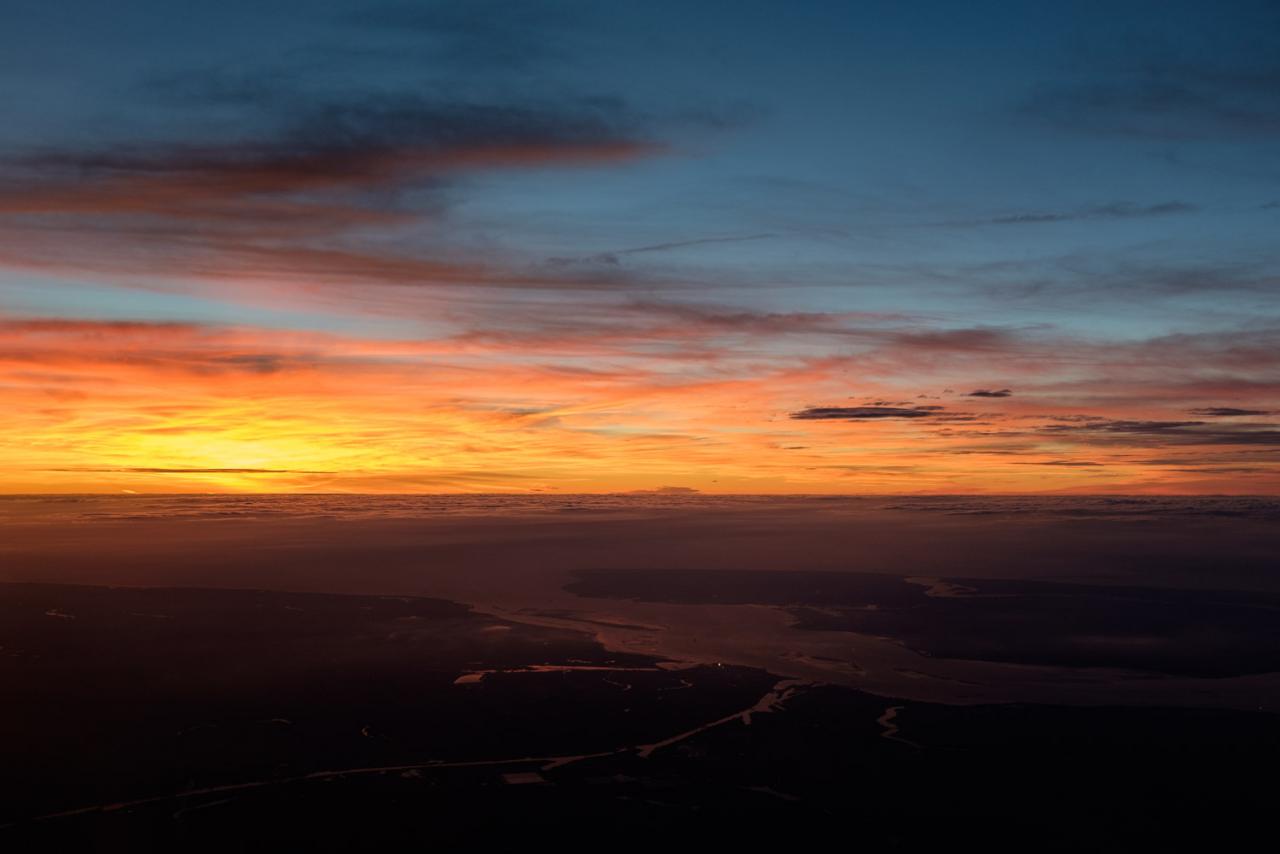
Antwerp on the right, river Schelde, Belgian coastline to the left, Netherlands to the right. Heading towards London. X100T
-
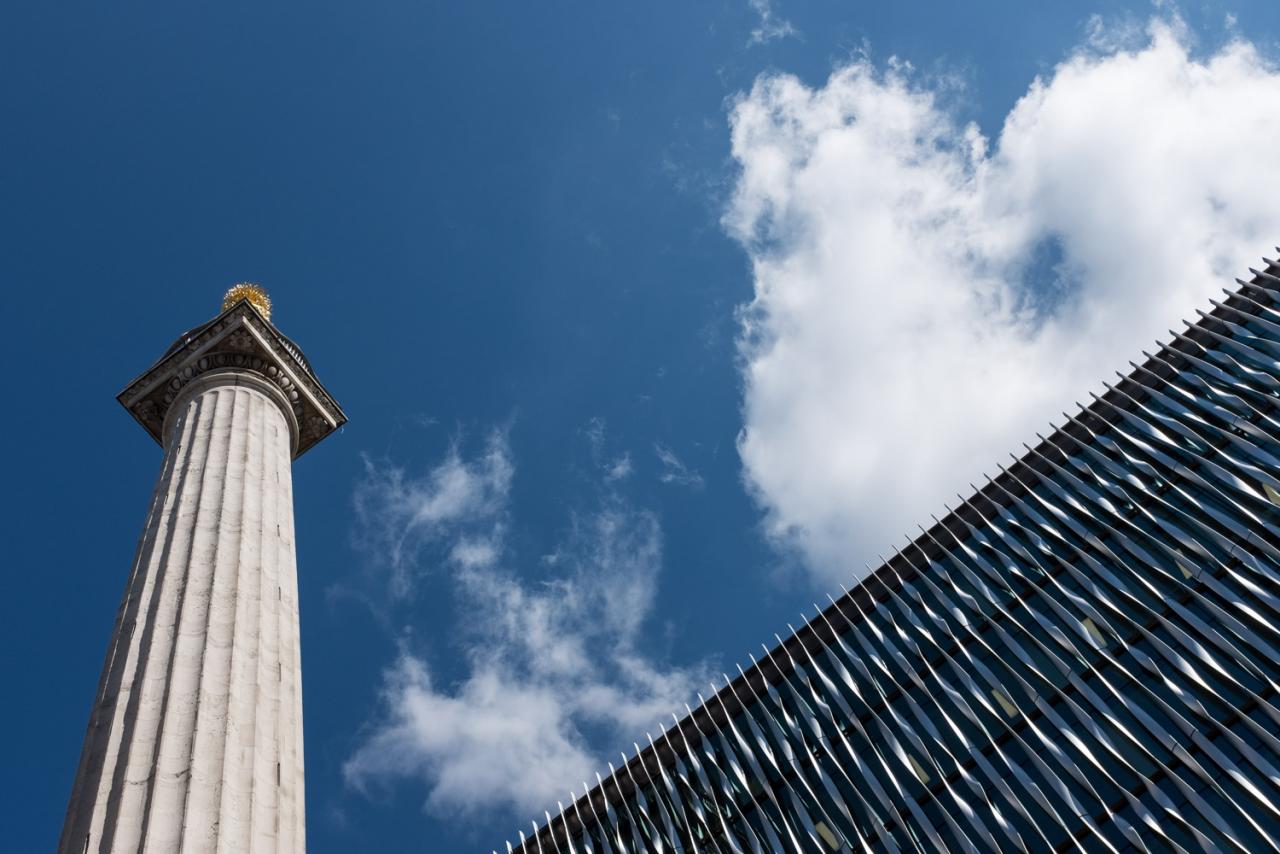
London, X100T.
-
Wow Kirill!
-
High Performance Mode - Battery vs. Speed
Tom H. replied to Calipedro's topic in Fuji X-T1 / Fuji X-T10
I put mine in high performance mode on day one. And I've never gone through more than two batteries in any given day... It's a no-brainer for me. -
Send it in for a warranty check, I had some issues with my 56 APD until I sent it in twice to be fixed. Second time, finally, it was resolved.
-
Gorgeous, keep 'em coming! :-)
-
X100T buy?
Tom H. replied to bm001's topic in Fuji X100VI / X100 / X100S / X100T / X100F / X100V / Fuji X70
I have an X100T and I love it, but I feel with the new f2 lenses that are on the way, it's hard to justify the price of the X100T. When mine breaks, I'll replace it with a X-Pro 2. Now that there are viable options for high speed sync flash, the benefit of the leaf shutter is mostly gone... As is the silent shutter benefit, with the addition of electronic shutters. -
Are you sure your sensor is clean? Seems like a deposit of something greasy on your sensor to me.
-
I have a Gitzo GT1541. It's the smallest I'd consider, for portraits 1,5 meter fully extended is the minimum I think. Obviously, any similar carbon fiber tripod at a lower budget will be fine, I like Manfrotto stuff and I useda Sirui once that was nice too.
-
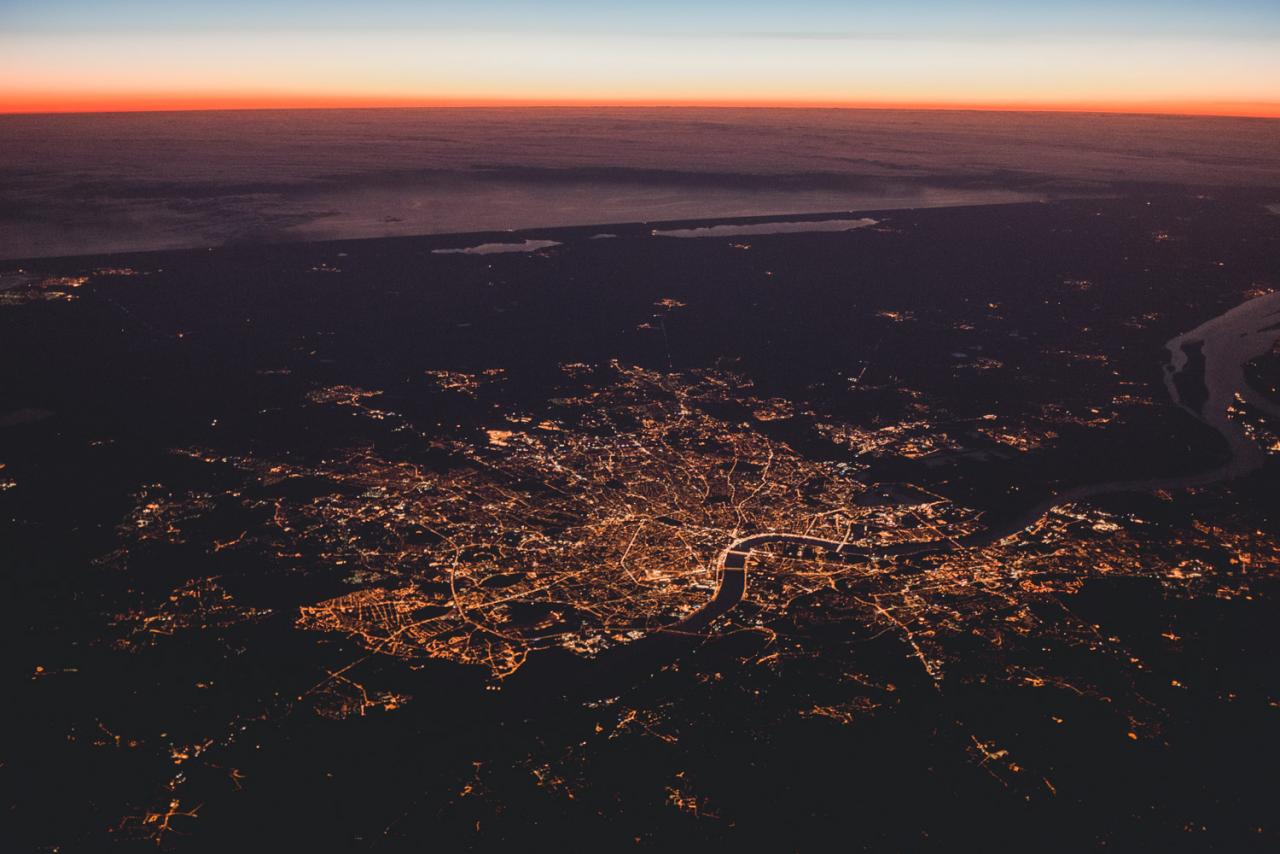
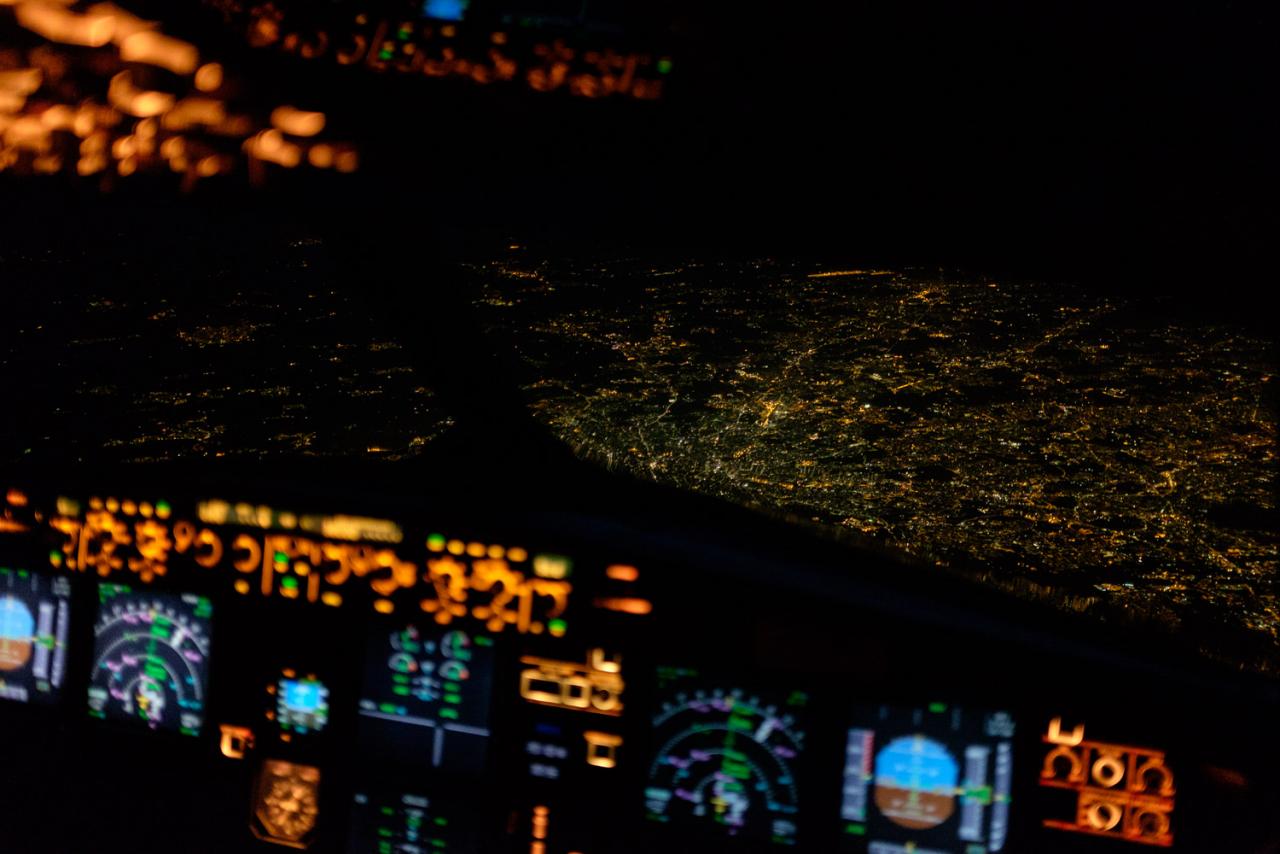
The office, over Bordeaux and Milan... X100T.
-
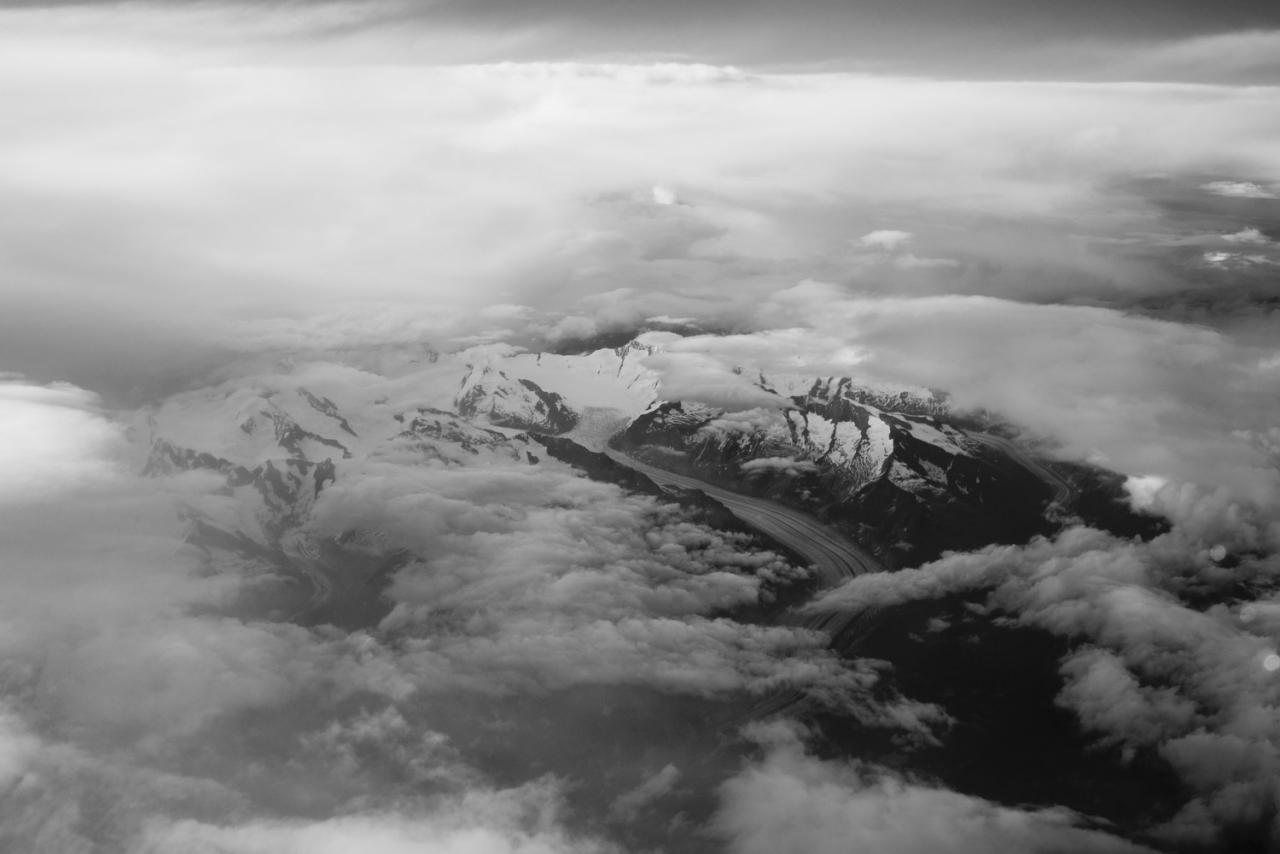
And suddenly, a wild glacier appears...
-
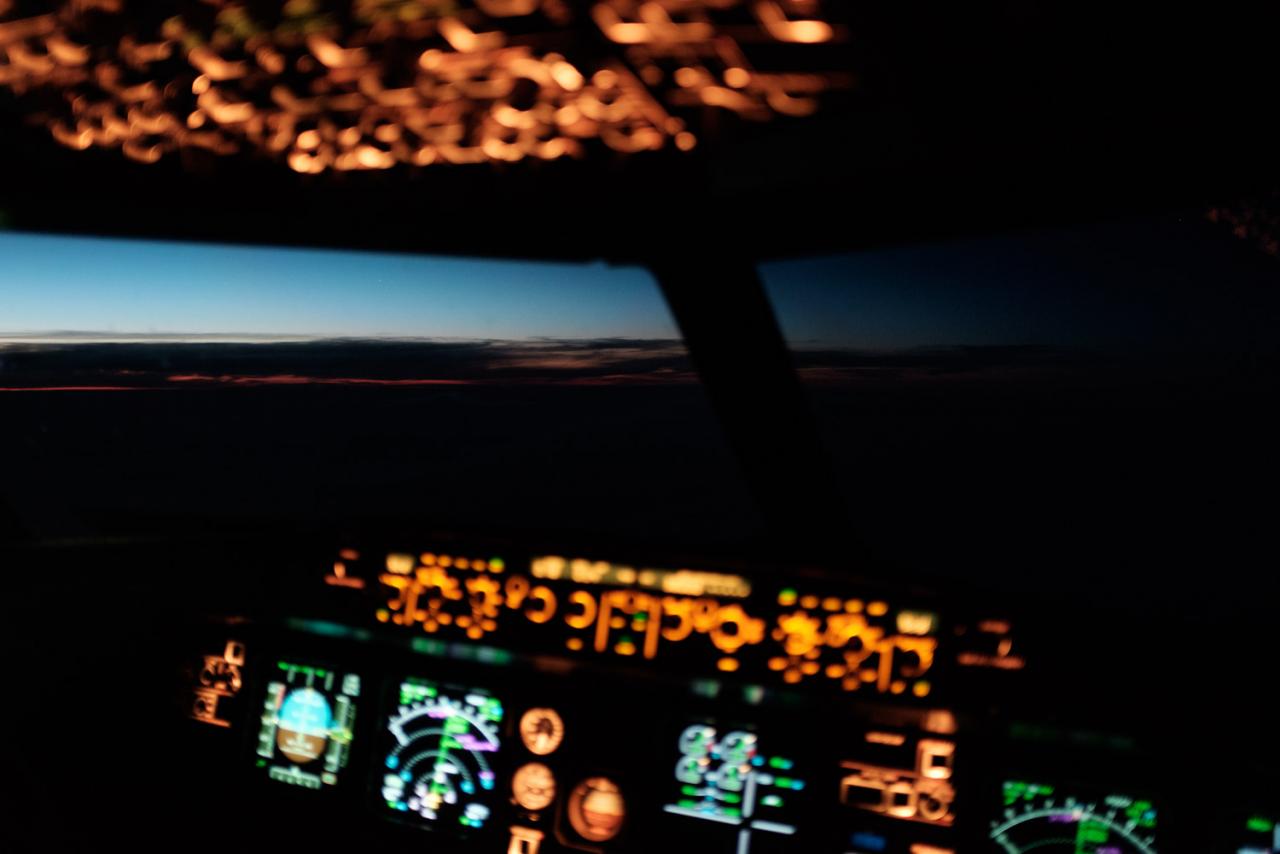
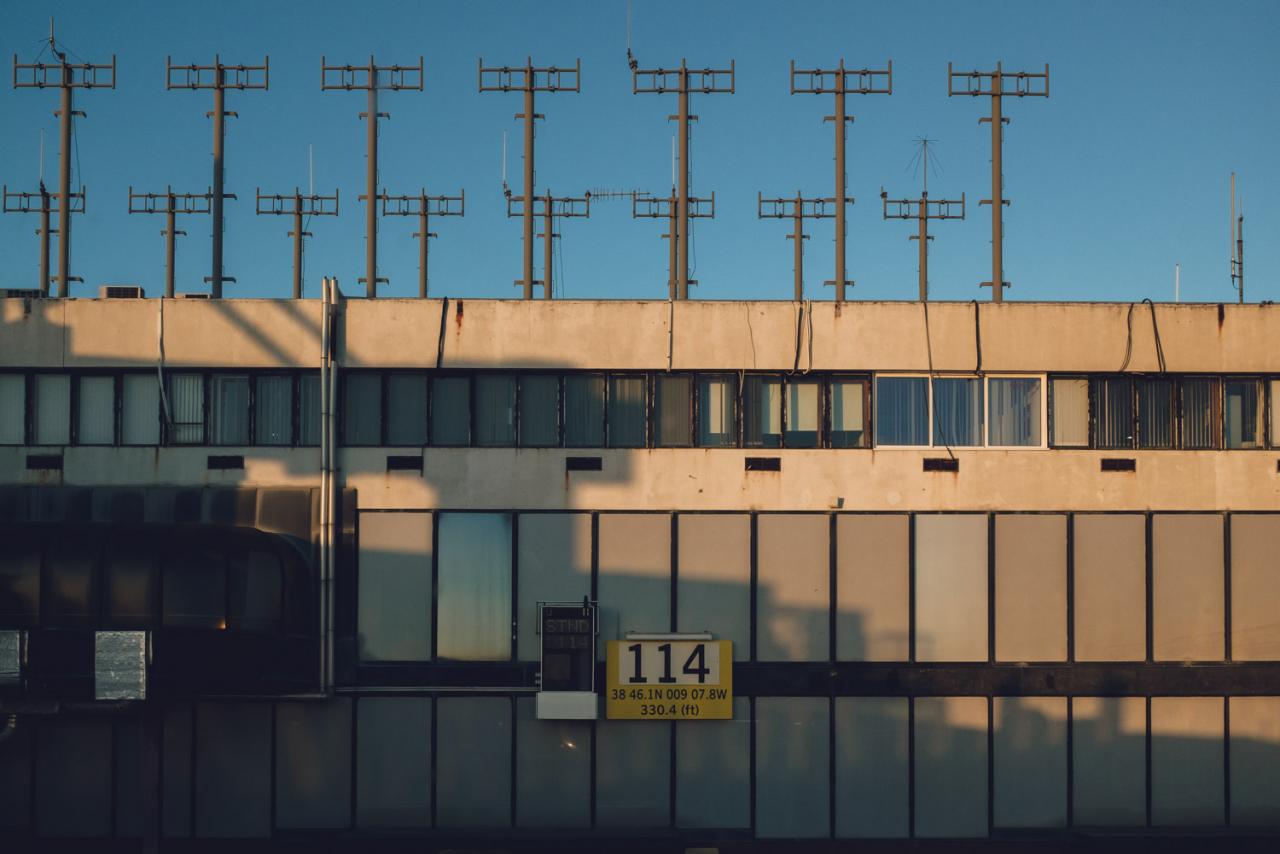
"Become a pilot, visit glamorous places" they said... X100T.
-
X-T2 if you can wait. Otherwise X-T1. I have this lens and it's at it's best on a body with a battery grip, due to it's size and weight.