
jerryy
-
Posts
1,926 -
Joined
-
Last visited
-
Days Won
304
Content Type
Forums
Gallery
Store
Everything posted by jerryy
-
What they said 😀. Depending on your budget woes, IBIS is not really much use for tripod shots especially if you go the astro-tracker route, but it is handy after you have been hiking for a while and the handheld shots are not as steady as you might want -- though OIS is still good. One other option to consider for your astrophotography gear is the Samyang / Rokinon 135mm lens. This one is a favorite for many, here is a quick look: https://www.astrobin.com/groups/108/samyang-135-f2/ p.s. With Fujifilm X-bodies you do not need to make any body modifications that you may hear about (recommended for other camera manufacturers) to let in H-alpha (red color) in astrophotography. Fujifilm's approach of not using the standard Bayer matrix lets in the H-alpha light already.
-
Which Fujifilm camera is right for me?
jerryy replied to AtsushiJC's topic in Newbie / Self Introduction
Nowadays retro, 16mp or higher, and raw files are par for the course with Fujifilm cameras. As far as rangefinder style cameras go, hmm try taking a look at these two links: https://cameragx.com/2020/05/28/fujifilm-x-100-a-rangefinder-camera-for-the-rest-of-us/ https://fujifilm-x.com/en-us/products/cameras/gfx-50r/ Those two may give you an idea or three. -
Depth of field preview in manual focus mode.
jerryy replied to nekit14's topic in Fuji X-T3 / Fuji X-T30
Aperture, distance to the subject and the lens’ focal length. And lots of practise, just like BobJ says. -
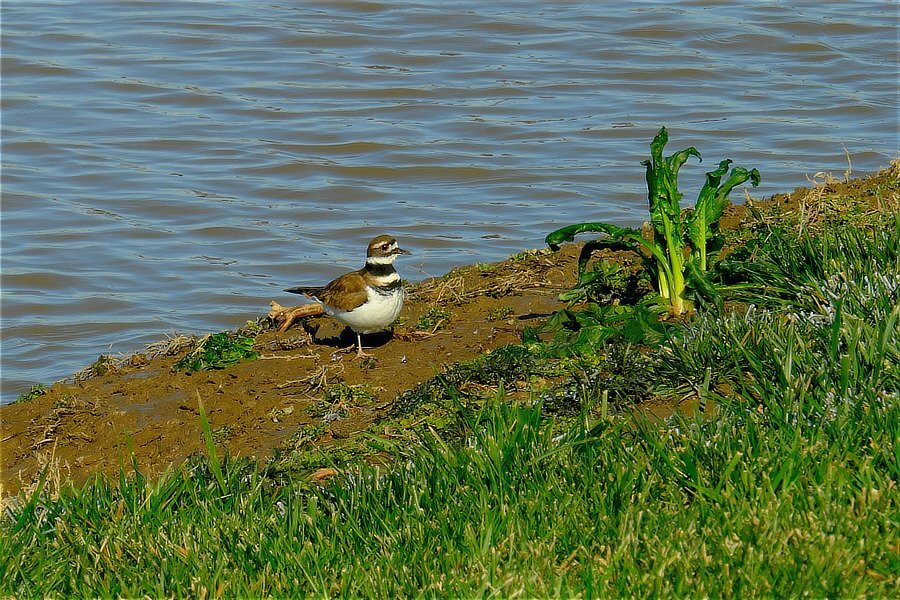
Killdeer https://www.allaboutbirds.org/guide/Killdeer/id

-
You can also get a 150 - 600mm “other party” lens and use an adapter. Tamron and Sigma make some good lens in this zoom range, of course there are others. These all come as either Canon or Nikon mounted lenses, so you will need an adapter. These can be low cost mechanical types (no af, etc,) or full electronic adapters that allow you to get the EXIF data from the lens as well as control various things such as aperture or auto focus. There are rumors these types of lenses will soon be released as native x-mount lenses, but that may take a while. The Fujifilm 100 - 400mm with the 1.4x extender is a pretty good option. The 200mm with 2x extender gives you only two focal length options, which might cramp you a bit unless you have some other lens to go along with it.
- 1 reply
-
- 1
-

-
GFX 100s Focus Stacking
jerryy replied to Larry Landolfi's topic in Fuji GFX 100 / GFX 100S / GFX100S II / GFX 100R
https://fujifilm-x.com/en-us/stories/advanced-month-5-focusing-20-focus-bracketing/ They (Fujifilm) actually show how to use focus bracketing and then show you how to turn the frames into a focus stacked image. I should add, to their explanation, if the camera has brkt — the GFX-100S does not — on the top dials turn that on, then follow the instructions listed above. Before you start, make sure the shutter speed and f-stop are set to your liking, etc., i.e. all of the usual settings are ready. Once you choose the Interval setting and push the Ok button, or push the shutter button depending on which camera you have, the sequence will begin. This also has a good step by step run through using a X-T3: https://www.joengphotography.com/Blog/How-to-Use-Fujifilm-Focus-Bracketing-Feature This is a, well somewhat wordy but pretty complete, explanation: https://www.youtube.com/watch?v=gouqhCSVdAY -
X-T3 movie metadata revealed on Apple OS? How?
jerryy replied to Robr's topic in Fuji X-T3 / Fuji X-T30
Did you look in the colortemperature tag? @Greybeard has mentioned this here: https://exiftool.org/forum/index.php?topic=10890.0 (I do not know if @Greybeard is online or will be soon or not, but he does look into these things.) For reference purposes: https://exiftool.org/TagNames/FujiFilm.html -
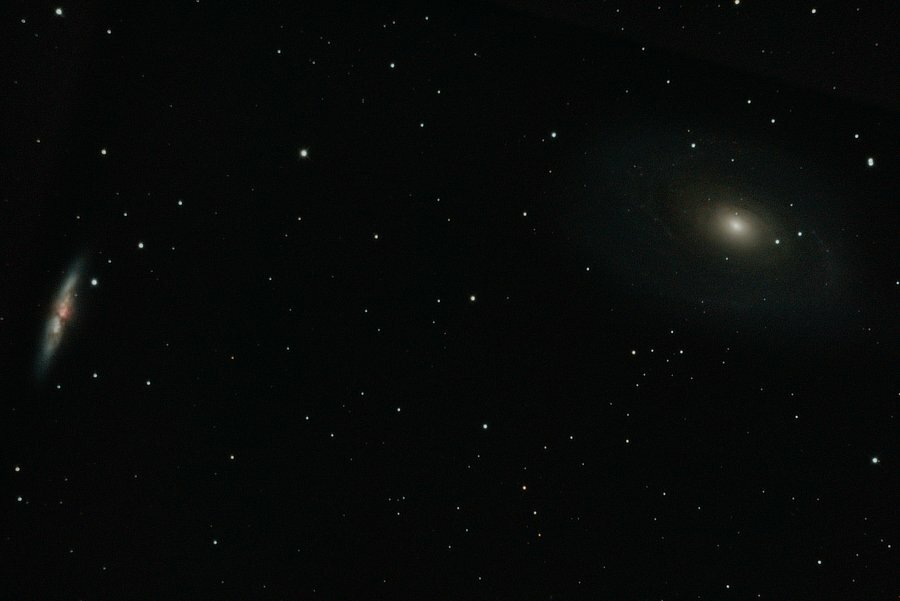
Bode's Stuff M81: Upper Right M82: Lower left. Messier Object M81 is named Bode's Galaxy after Johann Elert Bode, the German Astronomer who found it in 1774 along with the very nearby M82. Originally, it was called Bode's Nebula, but after folks took another closer look, they realized it was a galaxy. Still, the name Bode's Nebula stuck around and today the two names are interchangeable. https://www.messier-objects.com/messier-81-bodes-galaxy/ https://www.nasa.gov/feature/goddard/2017/messier-81 Messier Object M82, also found by Johann Elert Bode in 1774, is called the Cigar Galaxy. It is bright enough and large enough to see using binoculars, usually during March and April. https://www.messier-objects.com/messier-82-cigar-galaxy/ https://www.nasa.gov/feature/goddard/2017/messier-82-the-cigar-galaxy Edit: added 20 minutes of additional exposure time to the M81 section to show some more definition in the dust lanes. This is the equivalent of a seventy minute exposure (fifty minutes for the M82 part). edit: I framed this shot a little differently. So this is a new image.
-
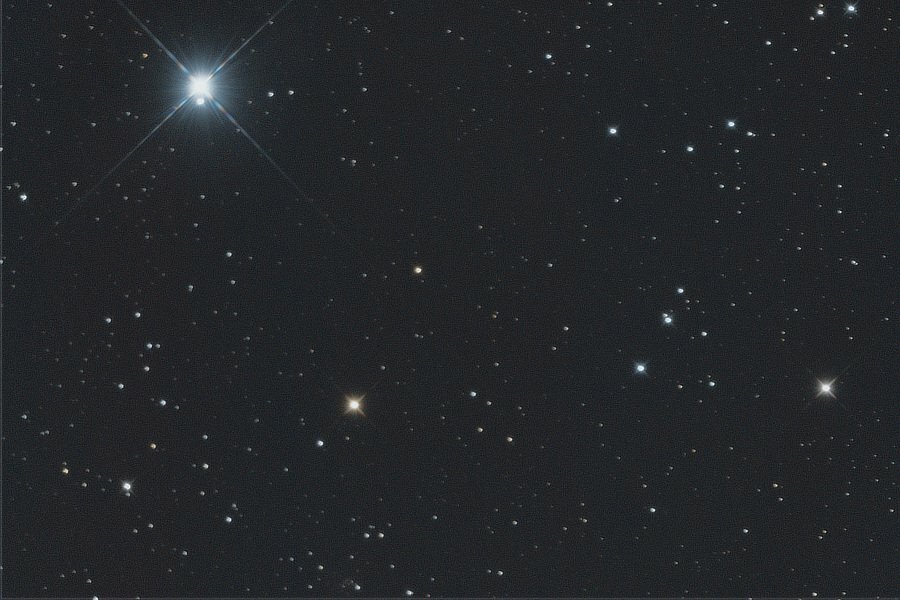
Mintaka Mintaka is the star on the top right of Orion's Belt (Alnitak, Alnilam and Mintaka). Steady and stolid, it is not part of nebulae and things like that, but without it, Orion would not have much of a belt. When you look up at the constellation, it looks like Mintaka is a single star in a dark part of space, but there are actually several stars orbiting around each other. https://www.star-facts.com/mintaka/ https://nineplanets.org/mintaka-δ-orionis/ This is the equivalent of a thirty minute exposure.
-
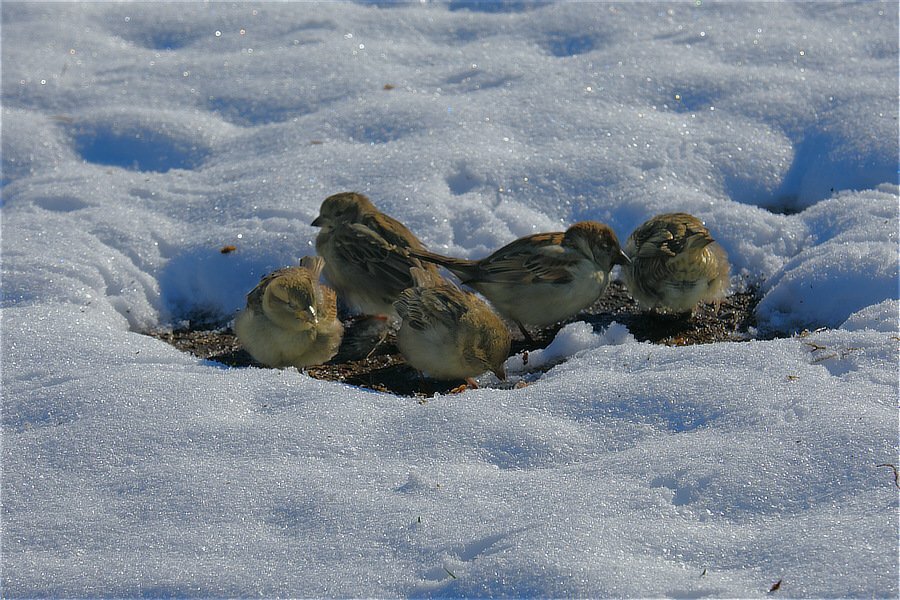
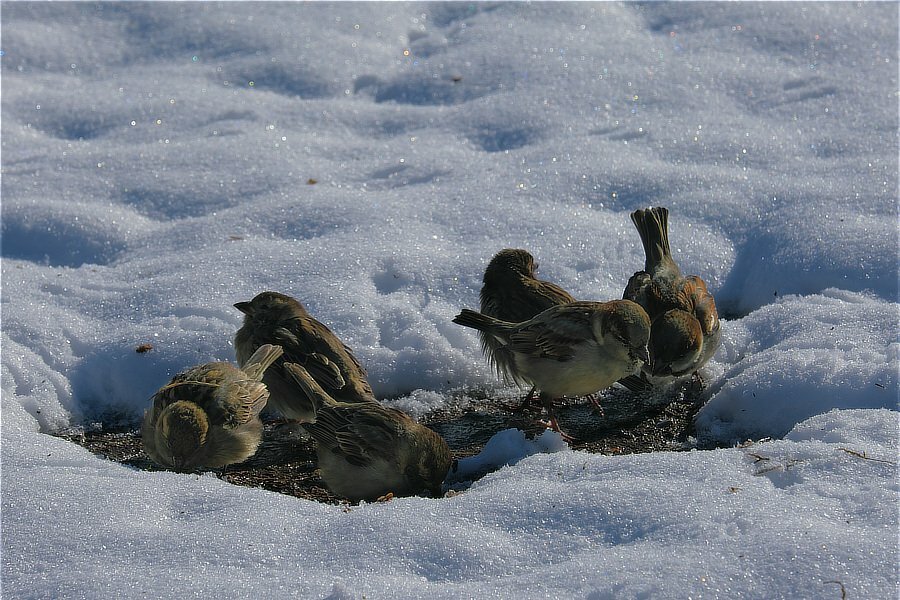
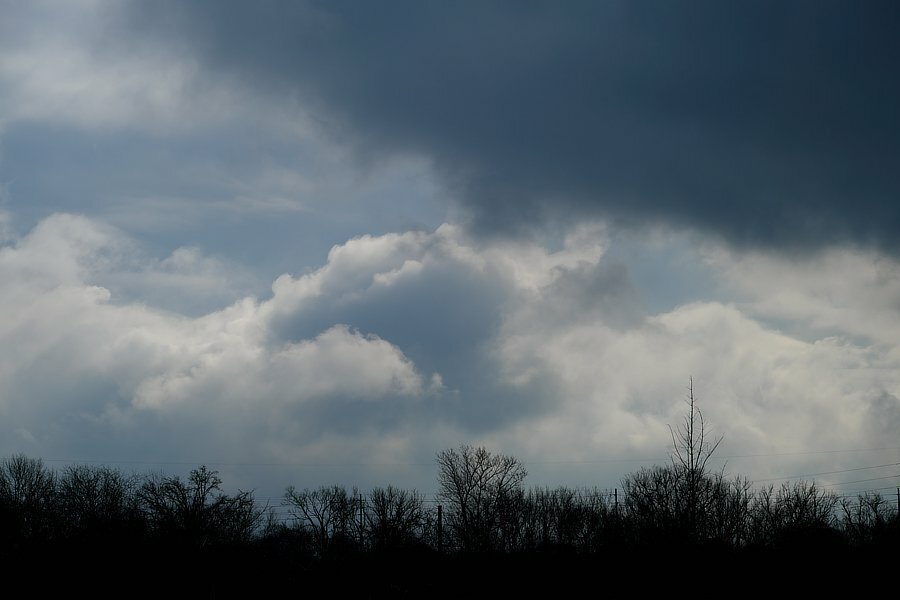
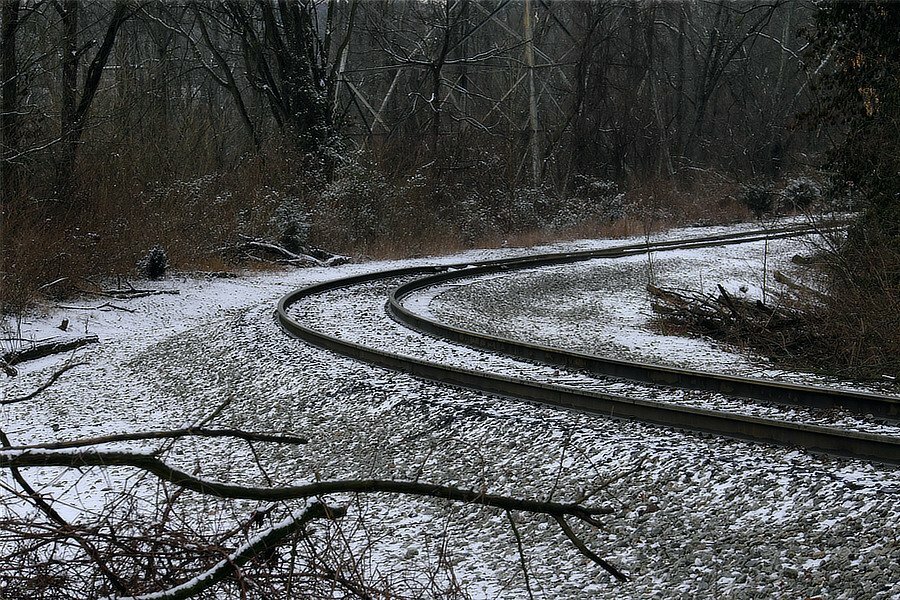
Snowbringer
-
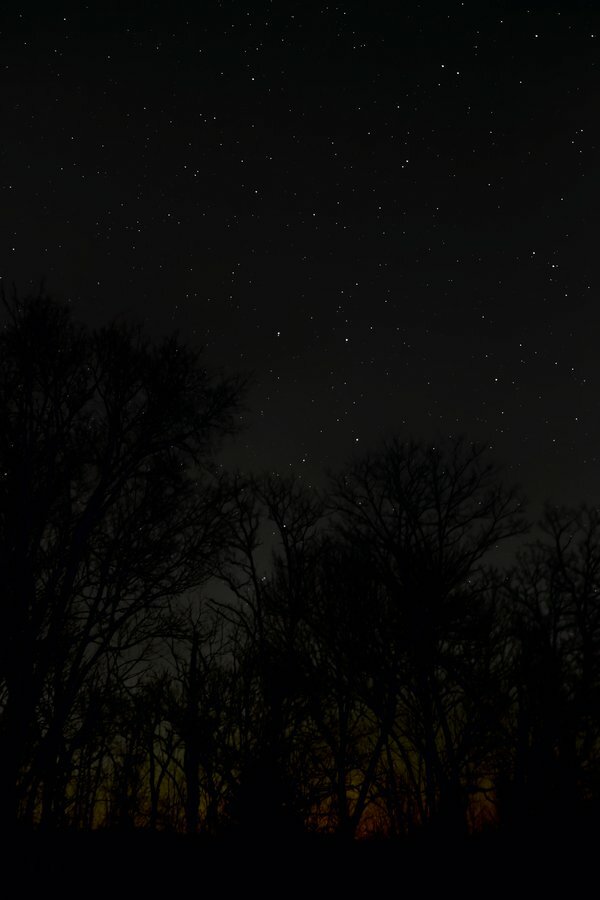
Big Bear Rising. Ursa Major, some call her The Big Dipper or The Plough (according to Greek mythology, Callisto was turned into the big bear and put up in the sky to roam around. One of the usual tales of jealousy.) https://nineplanets.org/ursa-major-constellation/ https://en.wikipedia.org/wiki/Ursa_Major On a seasonal note, during the Northern Hemisphere's winter months, Ursa Major tends to stay low in the northern sky, always just above the horizon. Somewhat like a bear hibernating. And like a bear, in the springtime it will shake off winter napping and climb up out of its den. Once you see it rising in the sky above the light dome (light dome is a polite term for the light pollution around cities and towns) spring is not too far away.
-
-
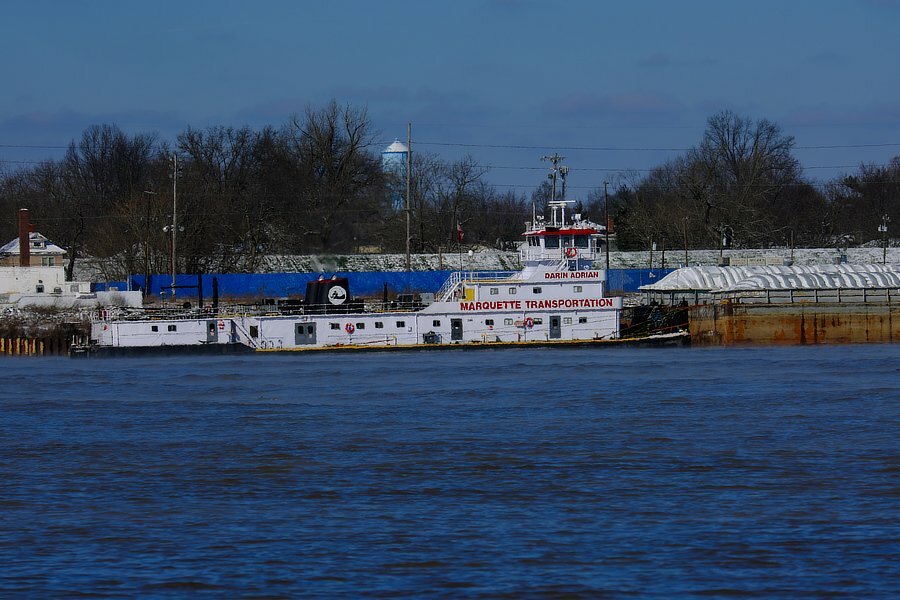
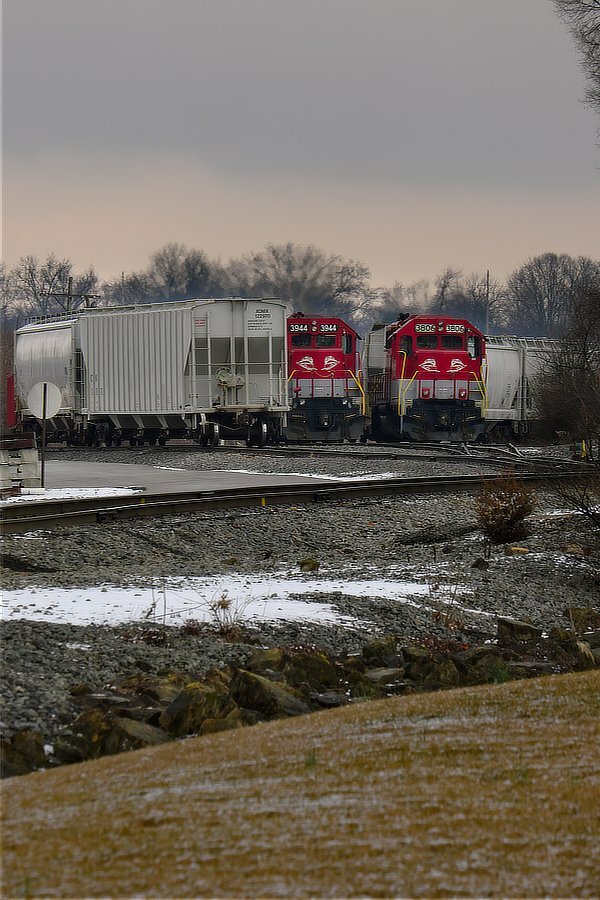
Jefferson County, Kentucky, USA.
-
Actually, it is a white balance issue, but probably one that you may not wish to hear at first. Most Fujifilm camera adjust the white balance for flash only in Auto mode or Underwater mode: (for example) https://fujifilm-dsc.com/en/manual/x-a5/taking_photo/white_balance/index.html generally, if the ambient color temperature is different enough from the default flash color temperature (5600 k) you get things like what you are seeing, the flash color messing with the ambient color. That N***N uses a default of 5400 k according to https://onlinemanual.nikonimglib.com/z5/en/05_basic_settings_02.html which may be closer to the ambient light color you have. 1.) If your flash unit lets you adjust the color temperature, try some test shots and get it as close as you can to the ambient temperature (a color temp meter helps). Color gels on the flash can also do that, but there are whole books out there on how to do that type of lighting, I am not going to do more than mention these because it would be a disservice to the ones who can explain that far better. 2.) Try setting a custom white balance using the K temperature setting in the White Balance menu setting to get close to the ambient color temperature, this will need a few test shots. 3.) This is the easiest (well may be the easiest if you are not shooting jpegs in an event type setting where you need fast jpegs on site to sell to folks): Take a grey card along with you, get a couple of test shots, then shoot raw files and color correct them back at the shop.
-
problem with saving and displaying images
jerryy replied to bob benson's topic in Fuji GFX 50R / GFX 50S / GFX 50SII
https://www.fujirumors.com/important-notice-firmware-bug-on-fujifilm-x-gfx-cameras-can-block-access-to-files-saved-on-sd-cards-fix-coming-shortly/ This may be related to the troubles you are seeing. -
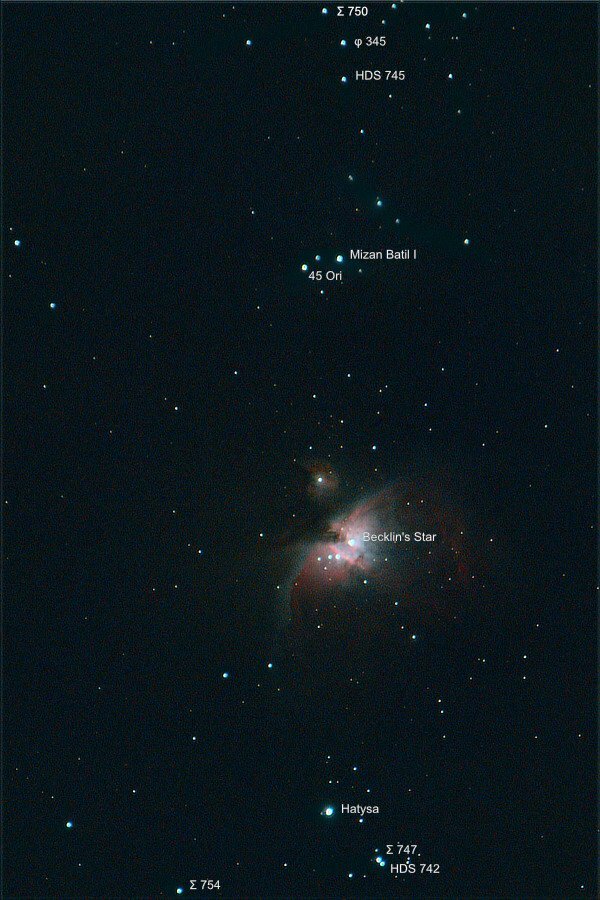
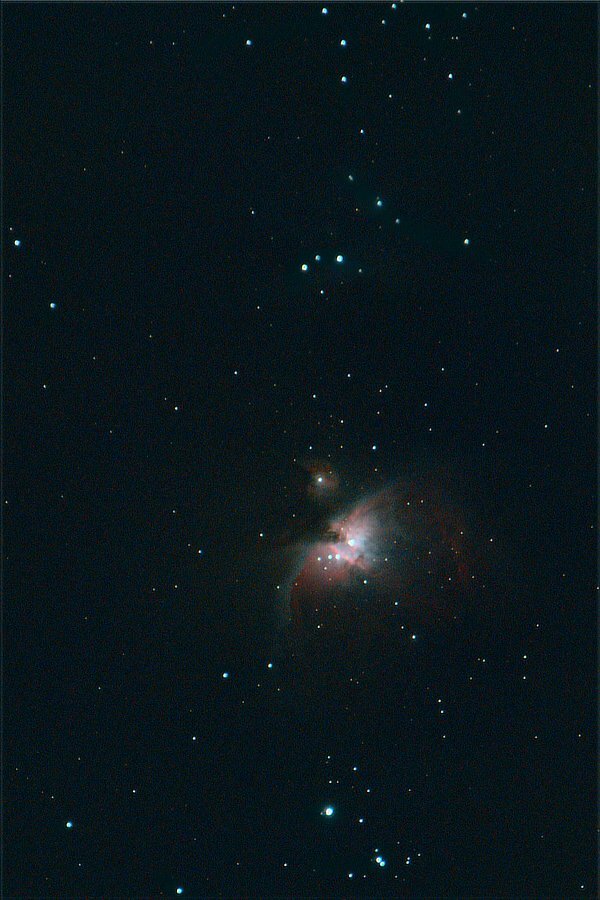
Orion is easily recognizable once you know it is there. Orion's Belt is probably the famous part of the constellation, but there is more to the star show than these three twinkling lights. Below the belt (below the left most star -- Alnitak) is Orion's Sword. The sword is usually visible even in light polluted skies, while you need darker skies to see Orion's Bow. The sword contains beautiful nebulas and star clusters. This is a four-minutes-exposure equivalent merged with a 42-seconds-exposure equivalent. 1.) https://www.constellation-guide.com/constellation-list/orion-constellation/ 2.)https://www.jpl.nasa.gov/images/pia08653-the-sword-of-orion
-
Image Display Locked
jerryy replied to paul6001's topic in Fuji X-Pro 1 / Fuji X-Pro 2 / Fuji X-Pro 3
It sounds like you have the option for shooting multiple exposures turned on. https://camerajabber.com/tutorials/how-to-use-the-fujifilm-multiple-exposure-mode/ This is turned on / off in the Drive menu setting or the Drive dial setting: https://fujifilm-x.com/en-us/stories/advanced-month-4-camera-features-15-multiple-exposures/ (you did not mention which camera you have). -
That helps you know which of your auto settings (1 — 3) you are using, since you can set the iso, ss etc. differently for each one. Keep in mind that if you want to see what the settings were for a shot without moving that image to a computer, push the playback button and then cycle through the DISP BACK button pushes. Those screens tells you all the settings you had in place for that image.
-
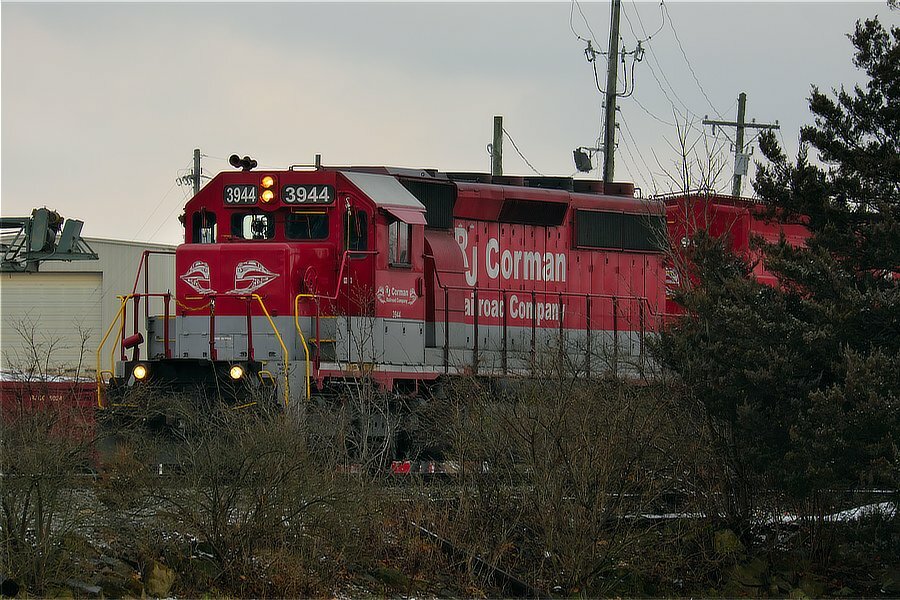
Owen County / Carroll County -- Kentucky, USA.
-
Here are some decent articles: https://www.cambridgeincolour.com/tutorials/white-balance.htm https://fujifilm-x.com/en-us/stories/advanced-month-2-exposure-8-custom-wb/ If you are going into a crazy mixed lighting setup and forgot to bring your Gretag Macbeth color gear with you, and the copier supply store is closed (no bright white paper available), you can usually find a grocery store open that sells bleached white coffee filters. Put one over the lens, point the camera at the sky or a uniform light and you have a pretty close white balance source.