Leaderboard


Popular Content
Showing content with the highest reputation on 10/06/2023 in Posts
-
Steam Engine Driver Railway Museum Dieringhausen, Germany
 1 point
 -
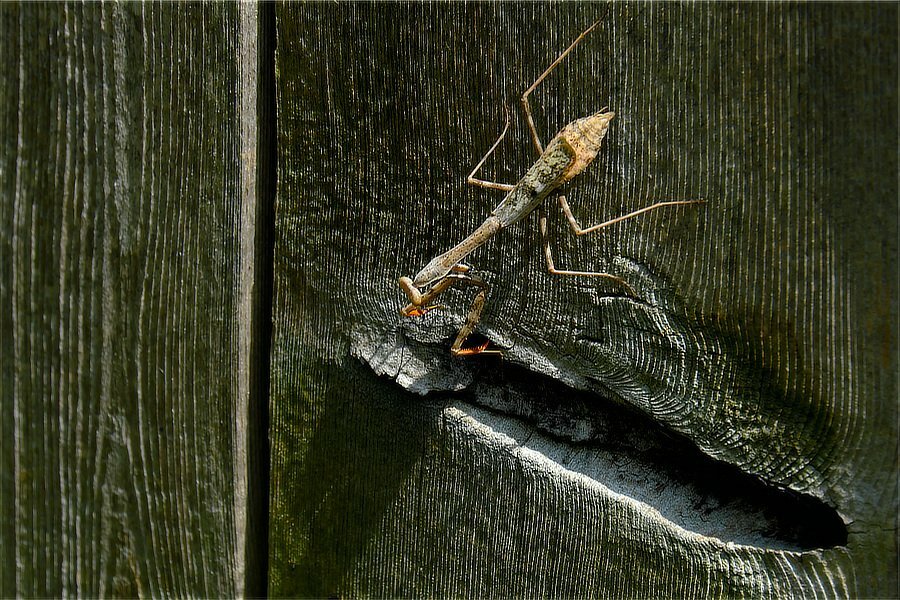
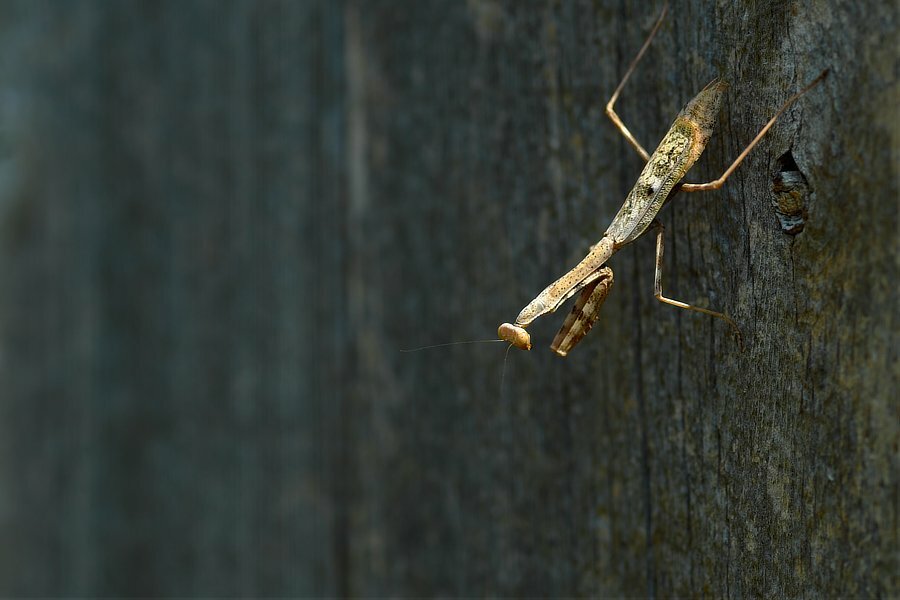
Praying Mantis (Mantodea)
1 point
-
Tinnitus?1 point
-

Insects (Open Thread)
MARRIEDGUY9 reacted to jerryy for a topic
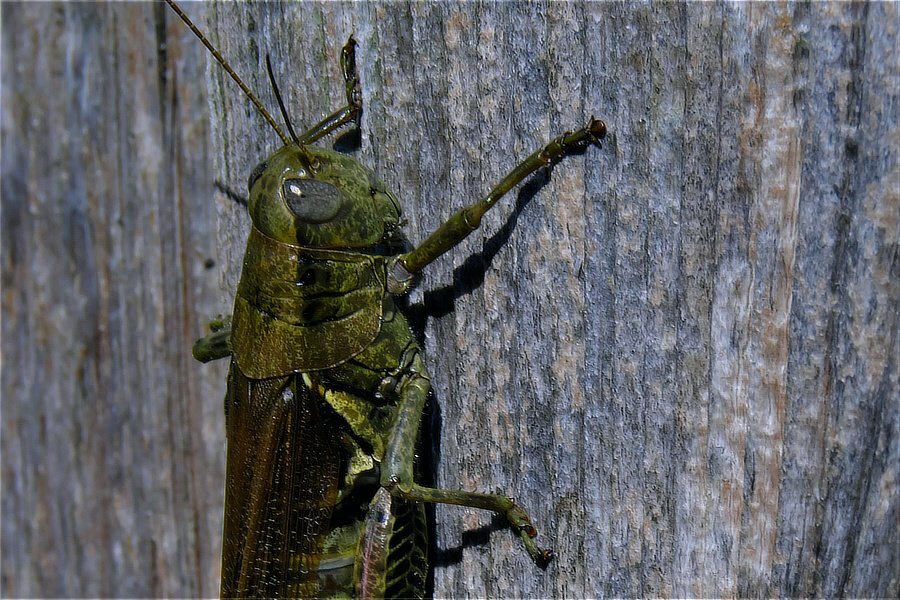
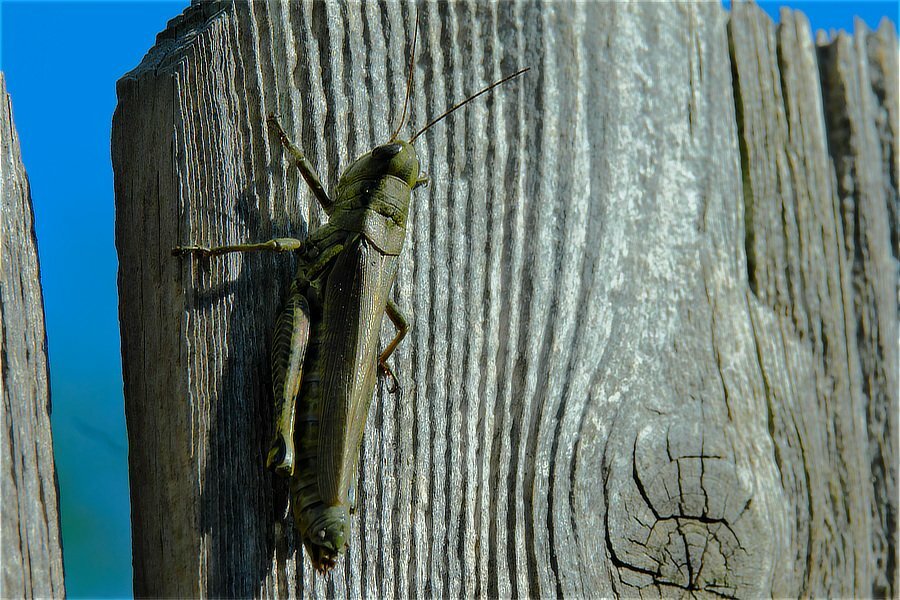
Grasshopper (Caelifera)
1 point -
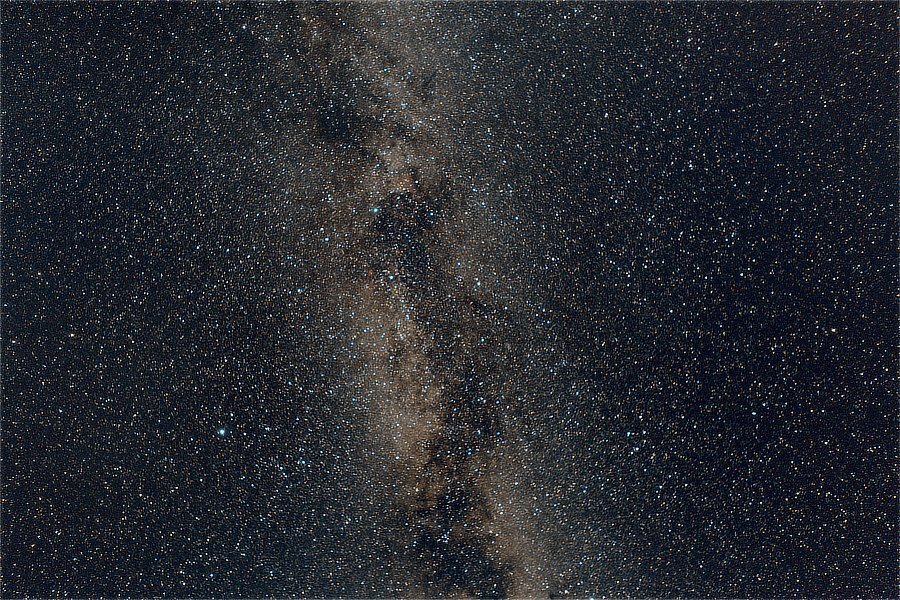
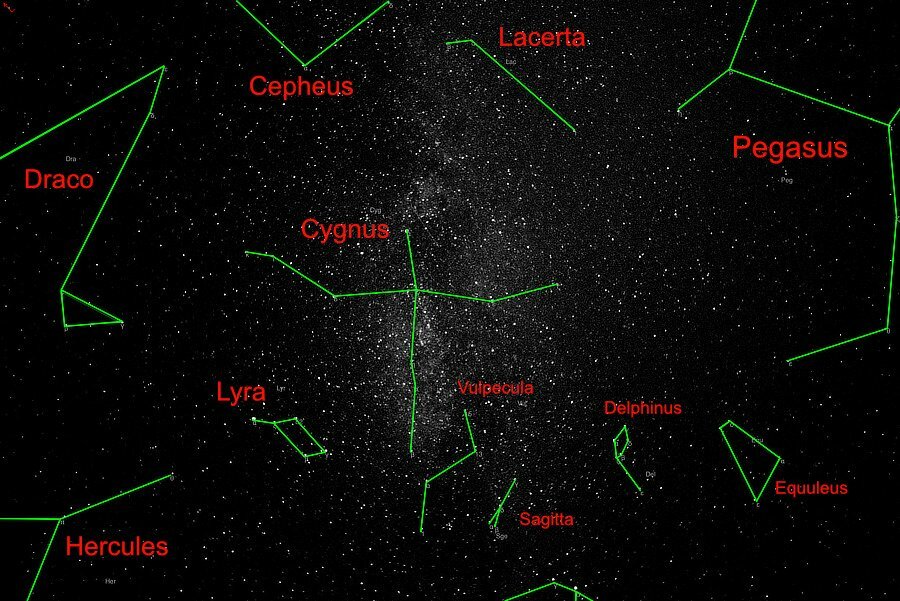
Summer Swan... Starting in late summer, say late August or early September, the Cygnus Constellation is directly overhead ("Just Look Up") for folks in the Northern Hemisphere. As is usually the case with constellations, there are differing cultural views and fanciful tales about things going on in the skies. https://www.space.com/cygnus-constellation.html https://en.wikipedia.org/wiki/Cygnus_(constellation) https://www.constellation-guide.com/constellation-list/cygnus-constellation/ edit: This is the equivalent of 19 minutes of exposure.
1 point
-

Astro-photography (open thread)
MARRIEDGUY9 reacted to the_hefay for a topic
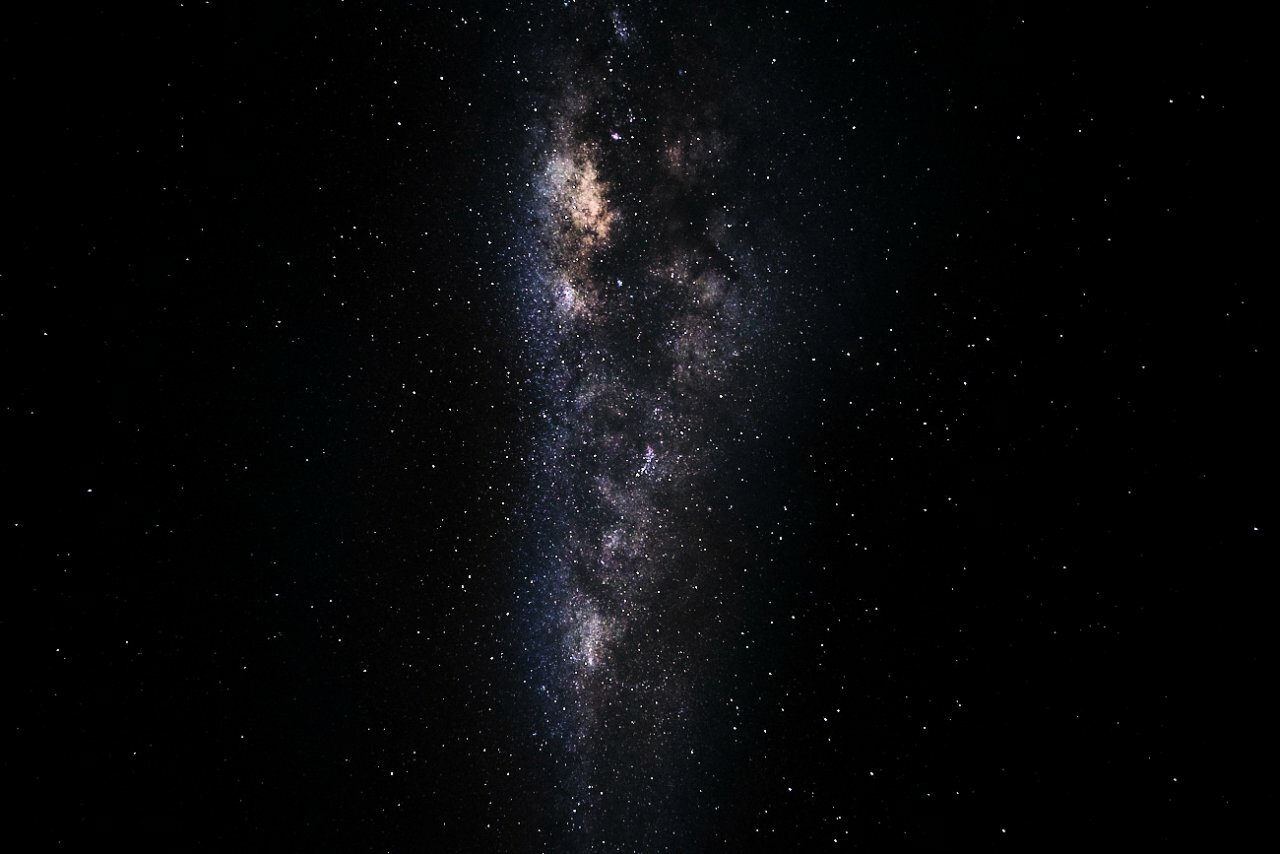
The Milky Way as viewed looking south in Peru.
1 point -
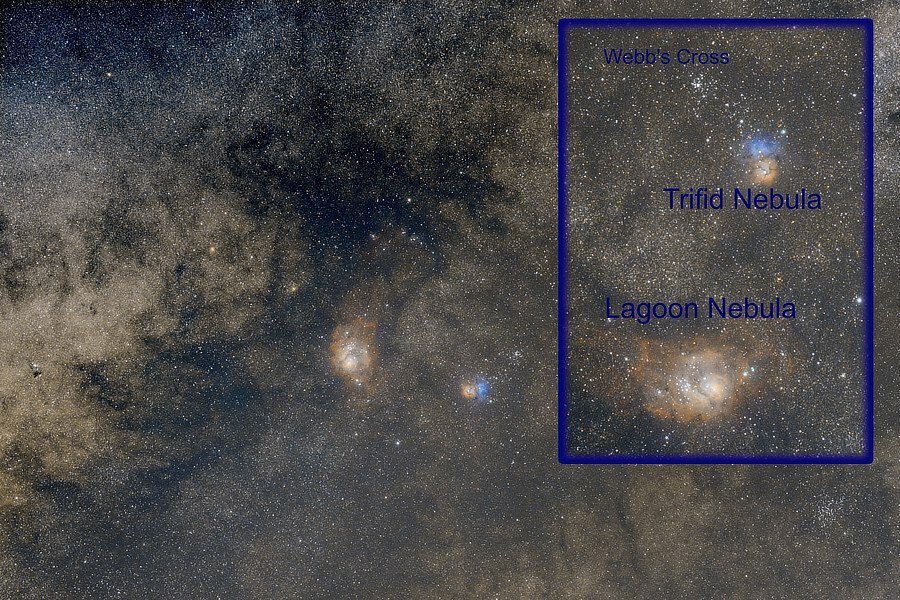
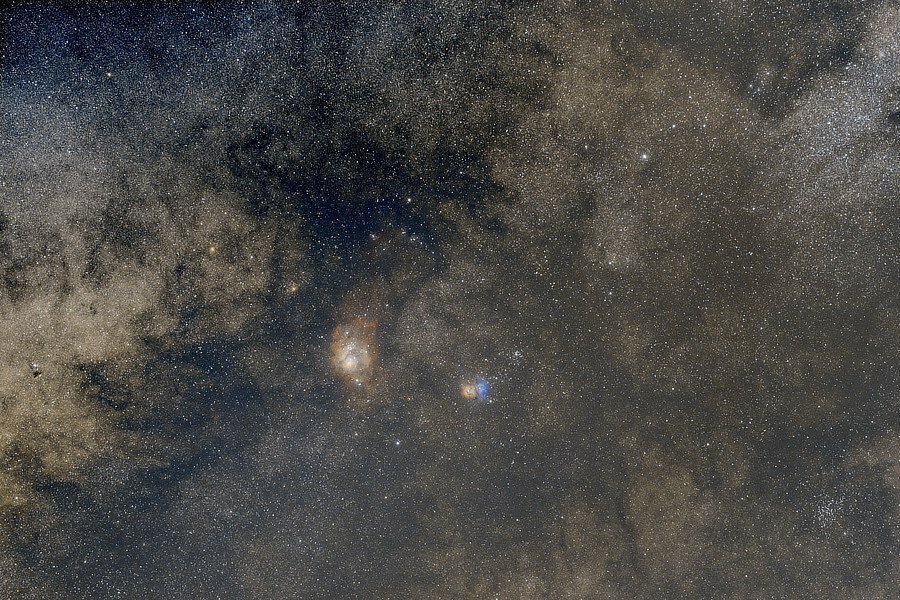
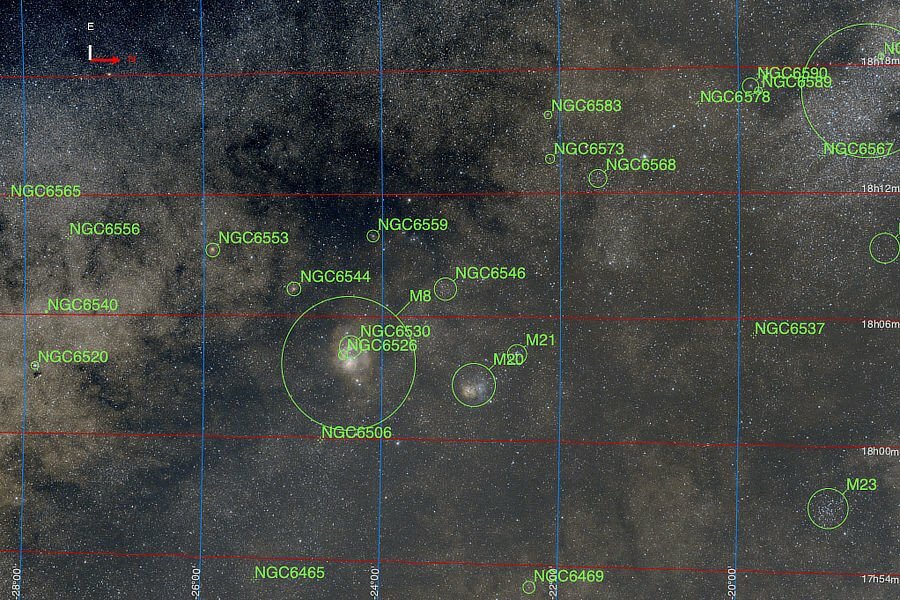
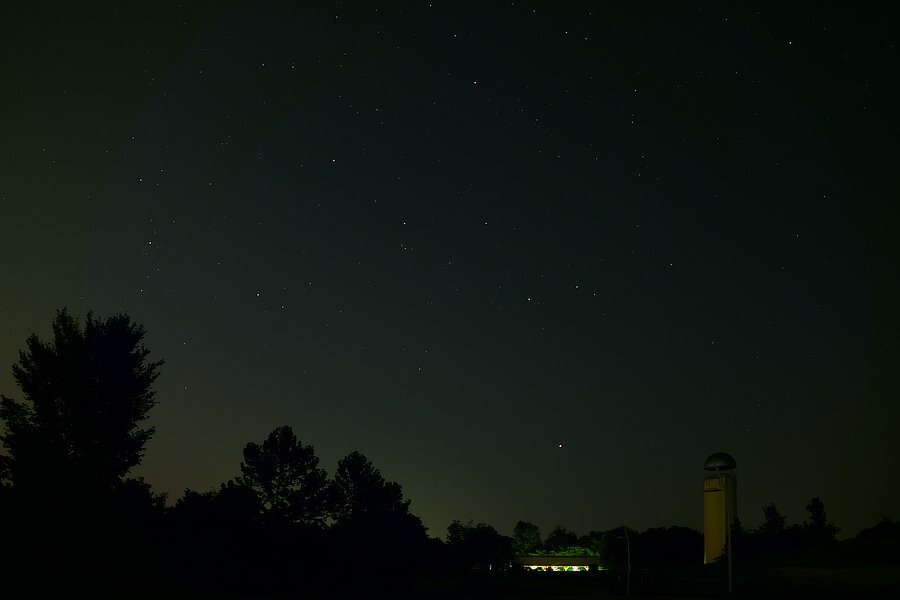
Messier and Messier and Messier... Smoke from wildfires has cleared some more. Locally, it is getting late in the season for seeing these nebulas, they are dropping closer and closer to the horizon this time of year, but they should be visible for a while yet, especially in the more southern latitudes. This is the equivalent of just under 25 minutes of exposure. The Lagoon Nebula, Messier Object M8: https://www.nasa.gov/feature/goddard/2017/messier-8-the-lagoon-nebula The Trifid Nebula, Messier Object M20: https://www.nasa.gov/feature/goddard/2017/messier-20-the-trifid-nebula Webb's Cross Star Cluster, Messier Object M21: https://www.messier-objects.com/messier-21/
1 point
-
Astro-photography (open thread)
MARRIEDGUY9 reacted to jerryy for a topic
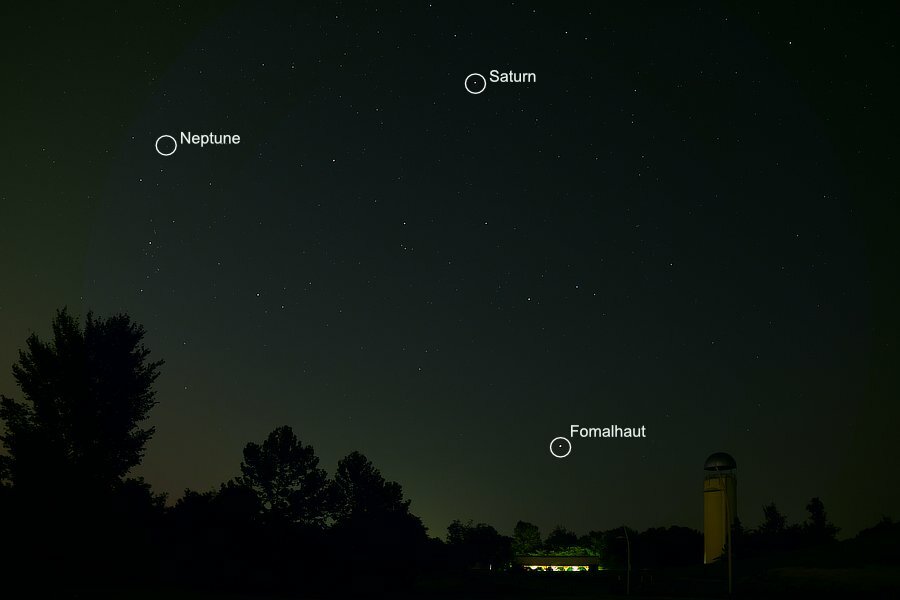
Guiding Lights... This is the equivalent of a 40 second exposure. Knowing where you are while traveling in the Northern Hemisphere these days is fairly easy if you have the comforts modern technology offers. GPS based maps rendered in nice colors on tablets and phones or standalone devices give you your location almost instantaneously. It used to be though, one used a compass based map (or some other vague directions) and at night, the North Star. But if you were traveling in southern directions, lining the North Star with your route could be troublesome. Not to worry, there is a star called Fomalhaut ("The Lonely Star") that does the job almost as well as Polaris (the North Star) does. 1) Neptune: https://solarsystem.nasa.gov/planets/neptune/overview/ 2) Saturn: https://solarsystem.nasa.gov/planets/saturn/overview/ 3) Fomalhaut: https://earthsky.org/brightest-stars/solitary-fomalhaut-guards-the-southern-sky/
1 point -
1 point
-
Jefferson County, Kentucky, USA
1 point
-
Woodford County, Kentucky, USA
1 point
-
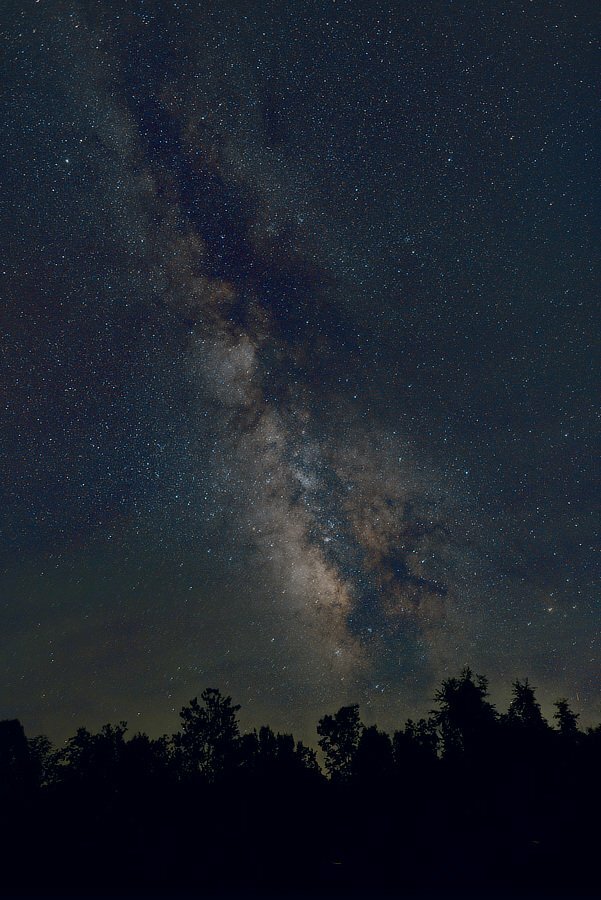
Milky Way in July... Smoke from various wildfires has cleared out a bit. Earth's trek around the Sun (an ellipse) has tilted a bit from earlier, making the Milky Way seem like it rises vertically, a disc in the night sky. This is equivalent to 2 and 1/2 minutes exposure time.
1 point
-
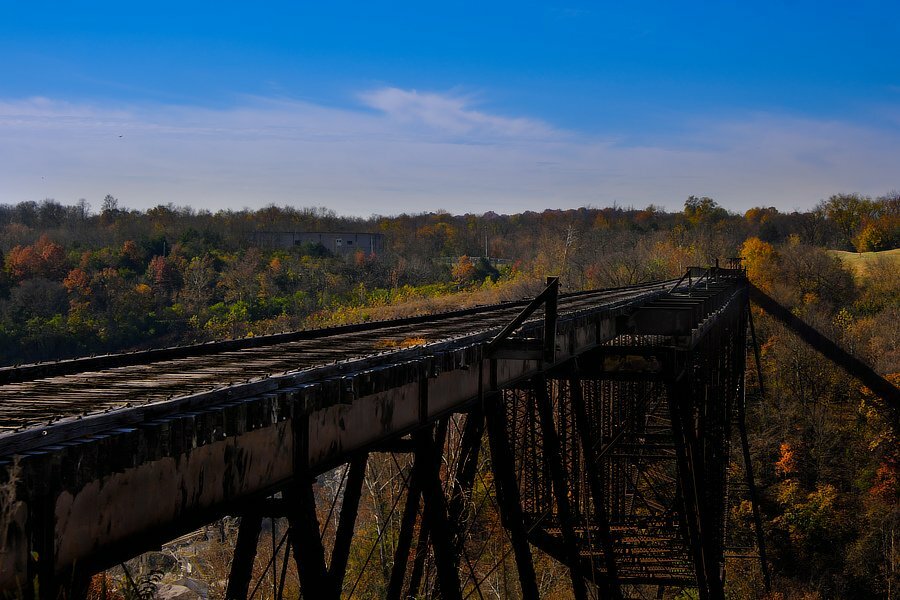
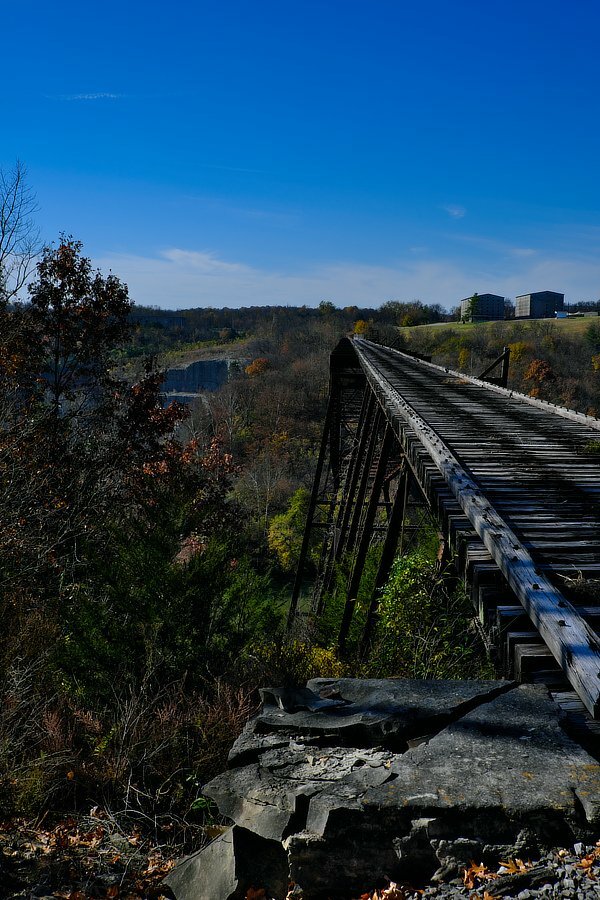
Out of Service... Young's High Bridge, a single track cantilever bridge. Built in 1889, it was last used in 1983. It spans the Kentucky River, one end in Anderson County, the other end in Woodford County, Kentucky, USA.
1 point
-
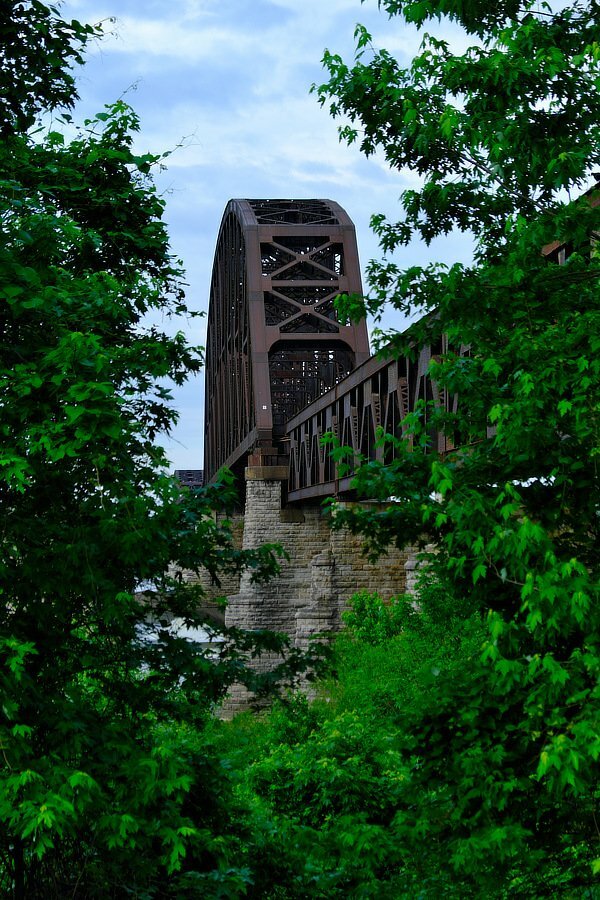
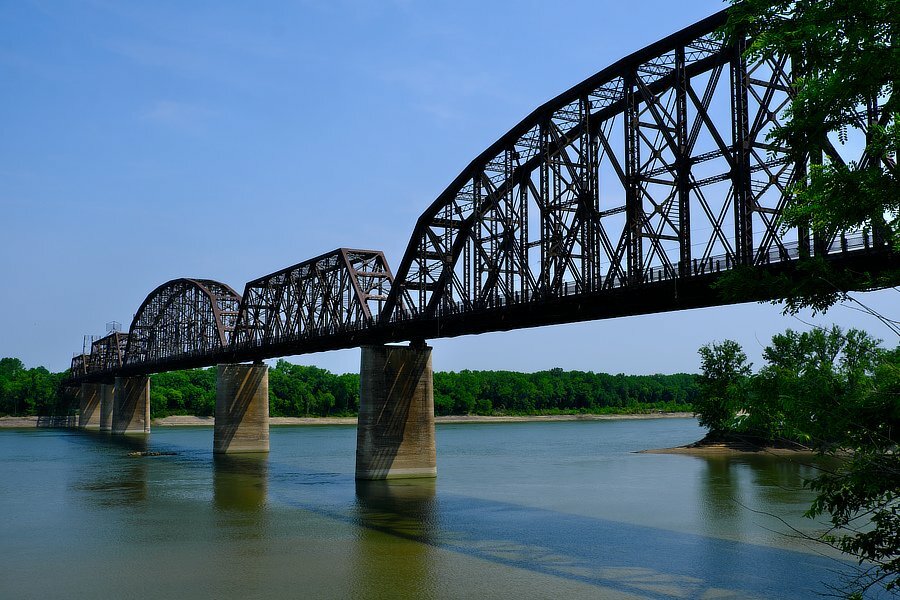
Ohio River, Kentucky - Indiana, USA Ohio River, Indiana - Kentucky, USA
1 point
-
1 point
-
Out and about with the new to me X-T1 and 23mm f2.
1 point
-
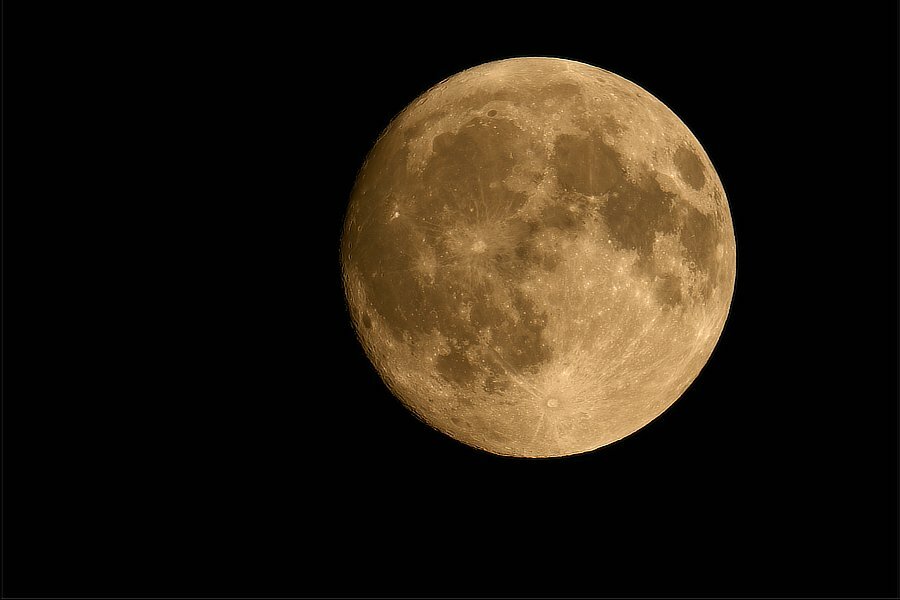
Full Moon Fever! It is that time again... June's full moon is strawberry flavored. https://www.timeanddate.com/astronomy/moon/strawberry.html July's full moon is perigee-syzygy, a supermoon.
1 point
-
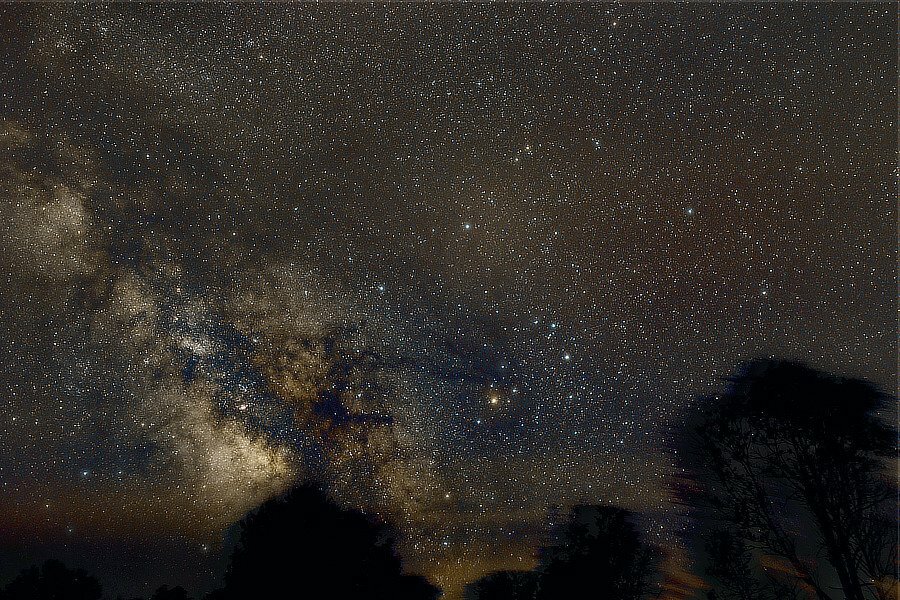
Scorpius with some Milk(y Way) on the side... This image is also the equivalent of just over 15 minutes exposure. A lot of passing clouds got into this one, but they opened up for the constellation. More Antares info: https://skyandtelescope.org/observing/meet-antares-the-star-that-is-not-mars/ https://www.space.com/21905-antares.html
1 point
-
Astro-photography (open thread)
thelostkiwi reacted to jerryy for a topic
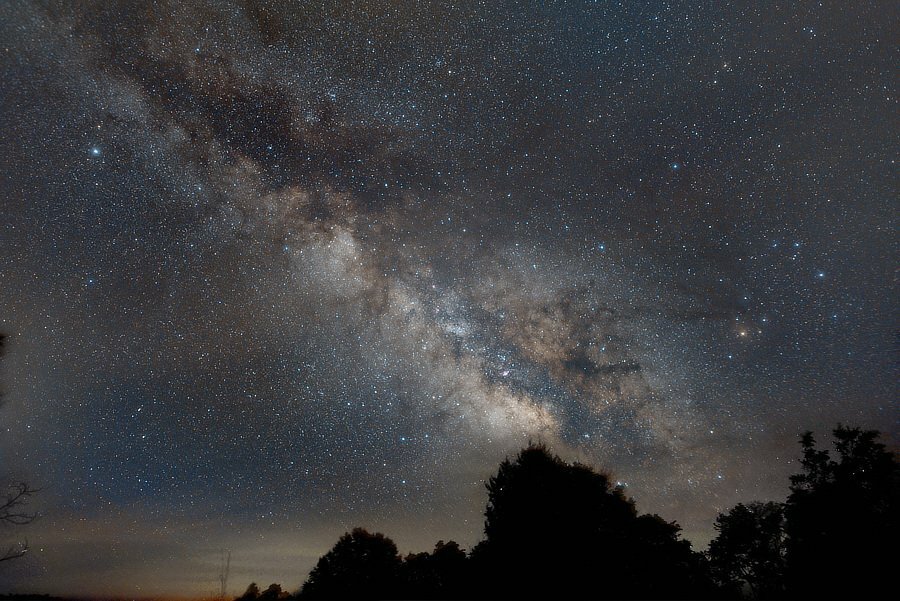
Milky Way in May... This is equivalent to a just-a-touch-over 15 minutes exposure. Milky Way season is underway, and locally, the Milky Way is starting to rotate from landscape mode to portrait mode (it should be fully rotated to vertical in about a month, give or take a few days). On the right side, in this image, the Scorpius Constellation is rising. Antares is the big yellow-red star in Scorpius. https://earthsky.org/constellations/scorpius-heres-your-constellation/ https://www.constellation-guide.com/constellation-list/scorpius-constellation/ I hope to be able to post a version that is more centered on the constellation.
1 point -
Astro-photography (open thread)
George_P reacted to MARRIEDGUY9 for a topic
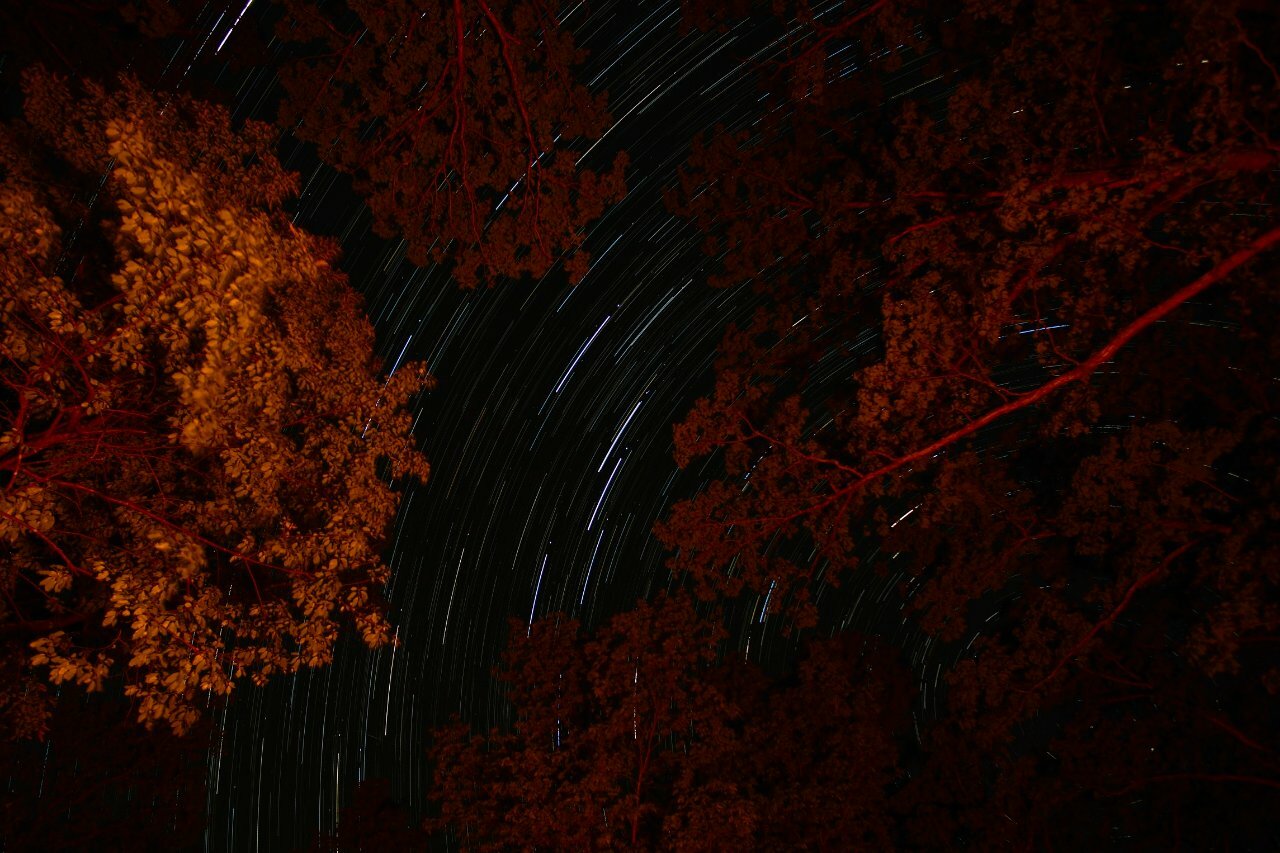
Just playing around with star trails. XT5, 12mm Samyang, stacked about an hour of 40 second exposures. A campfire illuminated the canopy.
1 point -
Oldham County, Kentucky, USA
1 point
-
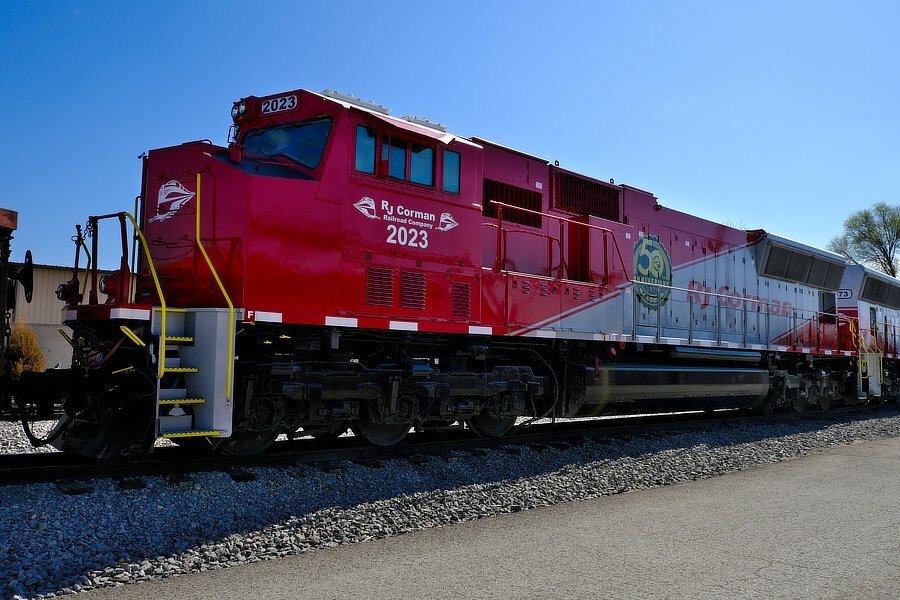
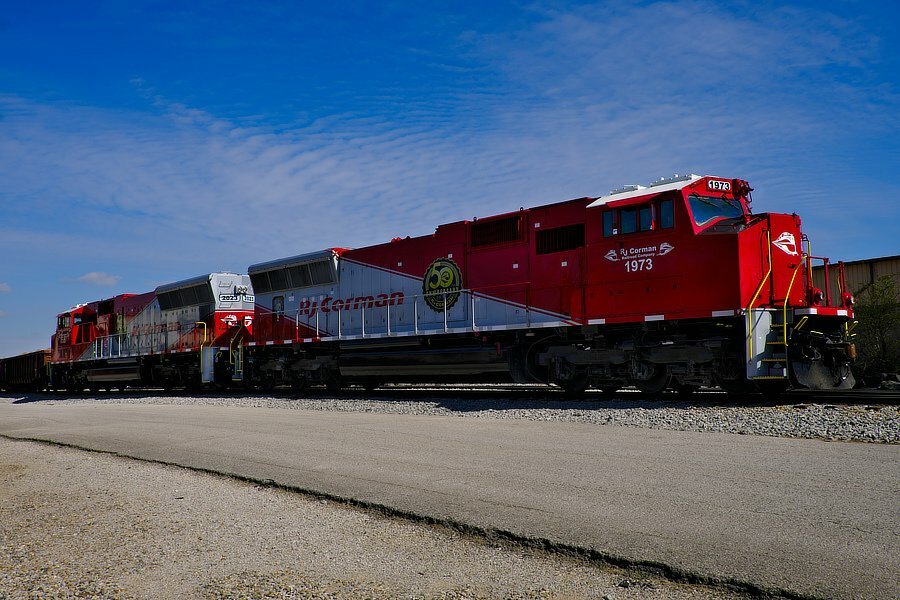
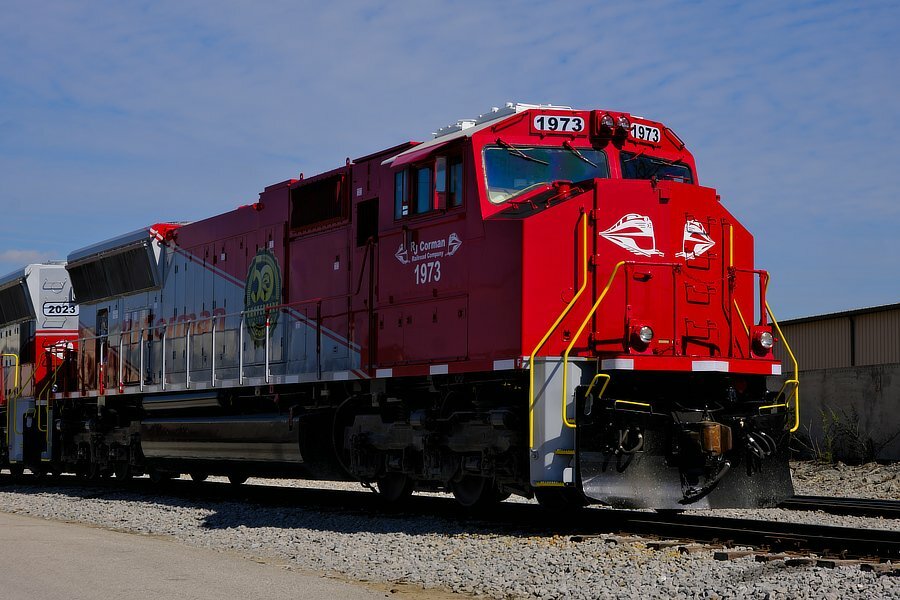
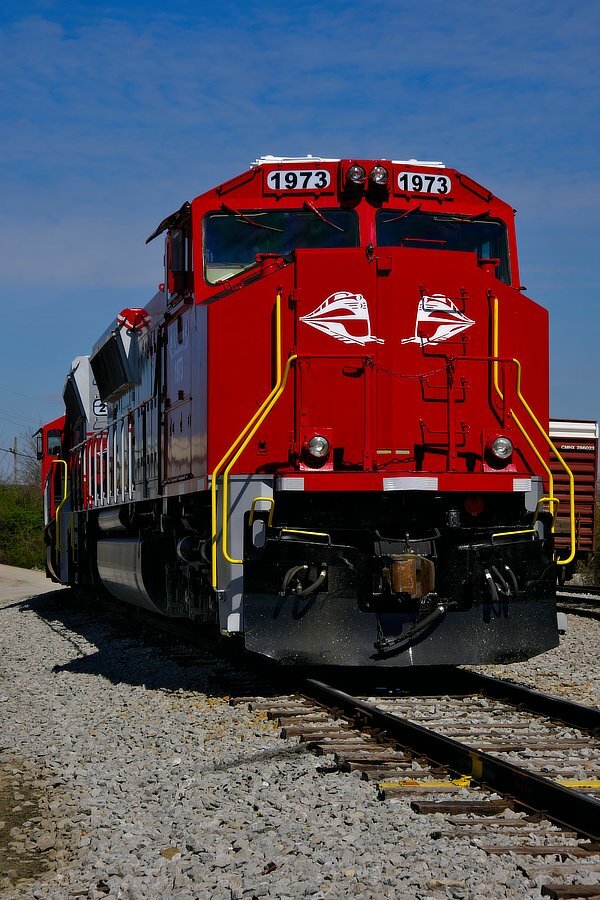
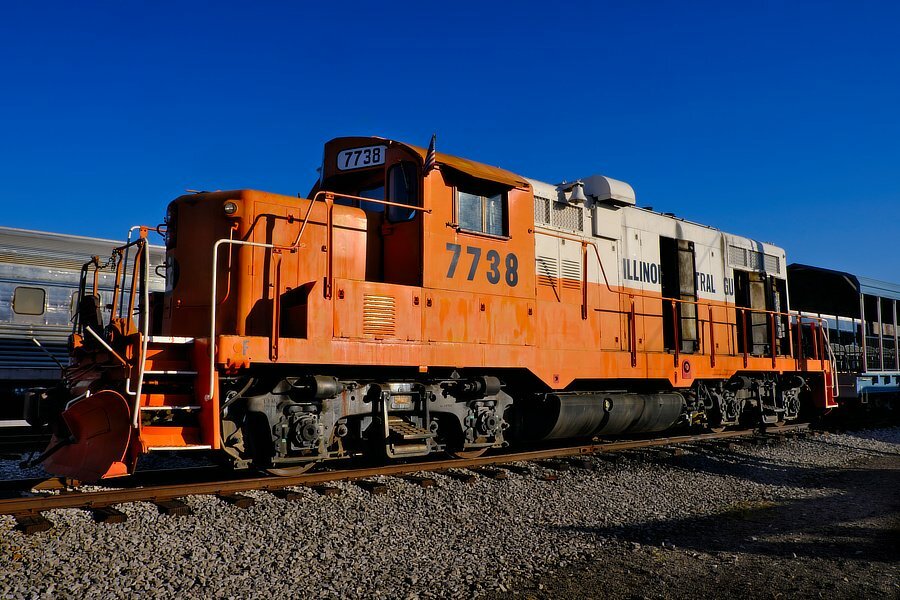
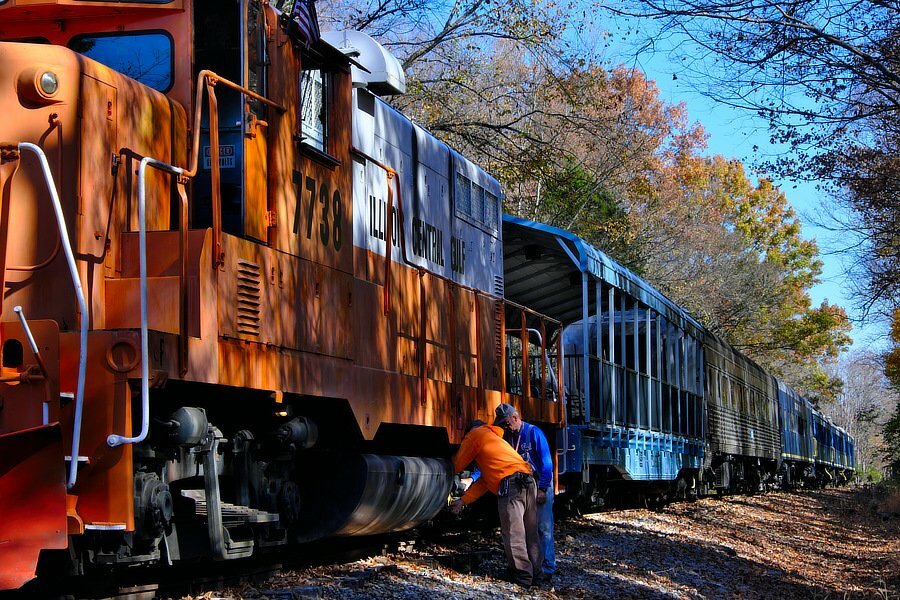
Golden Time -3- 50th Anniversary Yup, 2023 - 1973 = 50. 3/3
1 point
-
Golden Time -2- 50th Anniversary 2/3
1 point
-
Golden Time -1- 50th Anniversary Jefferson County, Kentucky, USA 1/3
1 point
-

Trains (open thread)
George_P reacted to AdamAitken for a topic
1 point -
3275 -3- A Long Train Running ... 3/4.
1 point
-
Yes. Set clarity to "0". That is what is slowing down your write times. Clarity adds a lot of overhead to the processing time.1 point


.JPG.56b10b0c3e697cf8460b807d257f25e2.JPG)
.JPG.2f69a1a12dbf8b1229b1debf455d14d9.JPG)
.JPG.029c6c304dca2a1626dcc410edfd10a8.JPG)
.JPG.3e564864ff87c397eb7ad11c1e4a0443.JPG)