Leaderboard

Popular Content
Showing content with the highest reputation on 04/19/2024 in all areas
-

Hello from Iowa
jerryy reacted to FrankWeiser for a topic
I own the Fuji X-T1 and X-H1. I own several Fuji lenses but I tend to use 3rd party vintage manual glass which I find quite enjoyable to use. I'm testing a photo here taken from my Flickr account that showcases the Tokina 100-300mm Zoom lens with 1.4 extender. [url=https://flic.kr/p/2og3ghr][img]https://live.staticflickr.com/65535/52678730517_54489efae3_k.jpg[/img][/url][url=https://flic.kr/p/2og3ghr]300mm 1.4 blue jay[/url] by [url=https://www.flickr.com/photos/92395202@N07/]frankweiser[/url], on Flickr1 point -
1 point
-

Fuji Birds
SimonF reacted to MARRIEDGUY9 for a topic
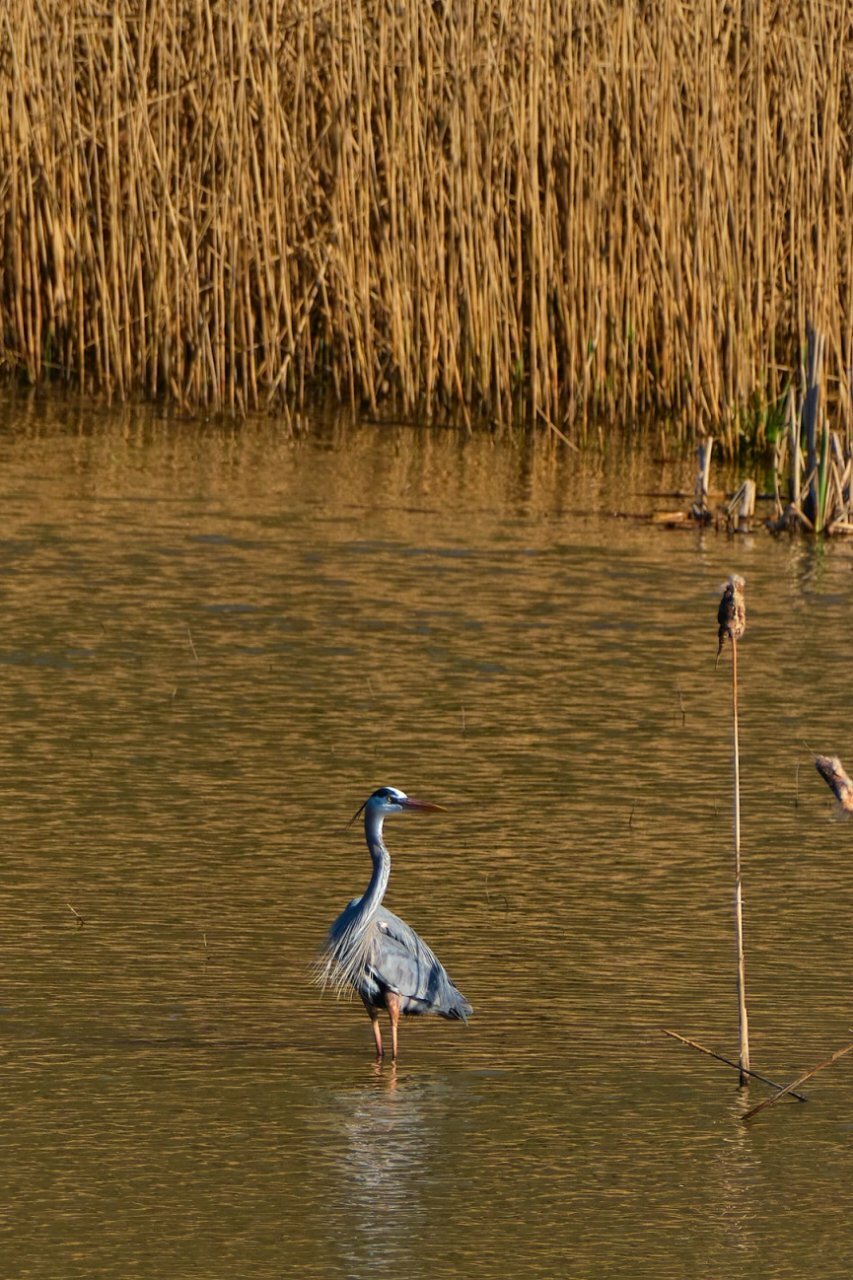
love herons! 1 point
 -
landscapes with fuji x
jerryy reacted to MARRIEDGUY9 for a topic
cool photo1 point -
landscapes with fuji x
jerryy reacted to MARRIEDGUY9 for a topic
playing around with ND filters, Indian River, DE
1 point -
Fuji Birds
jerryy reacted to MARRIEDGUY9 for a topic
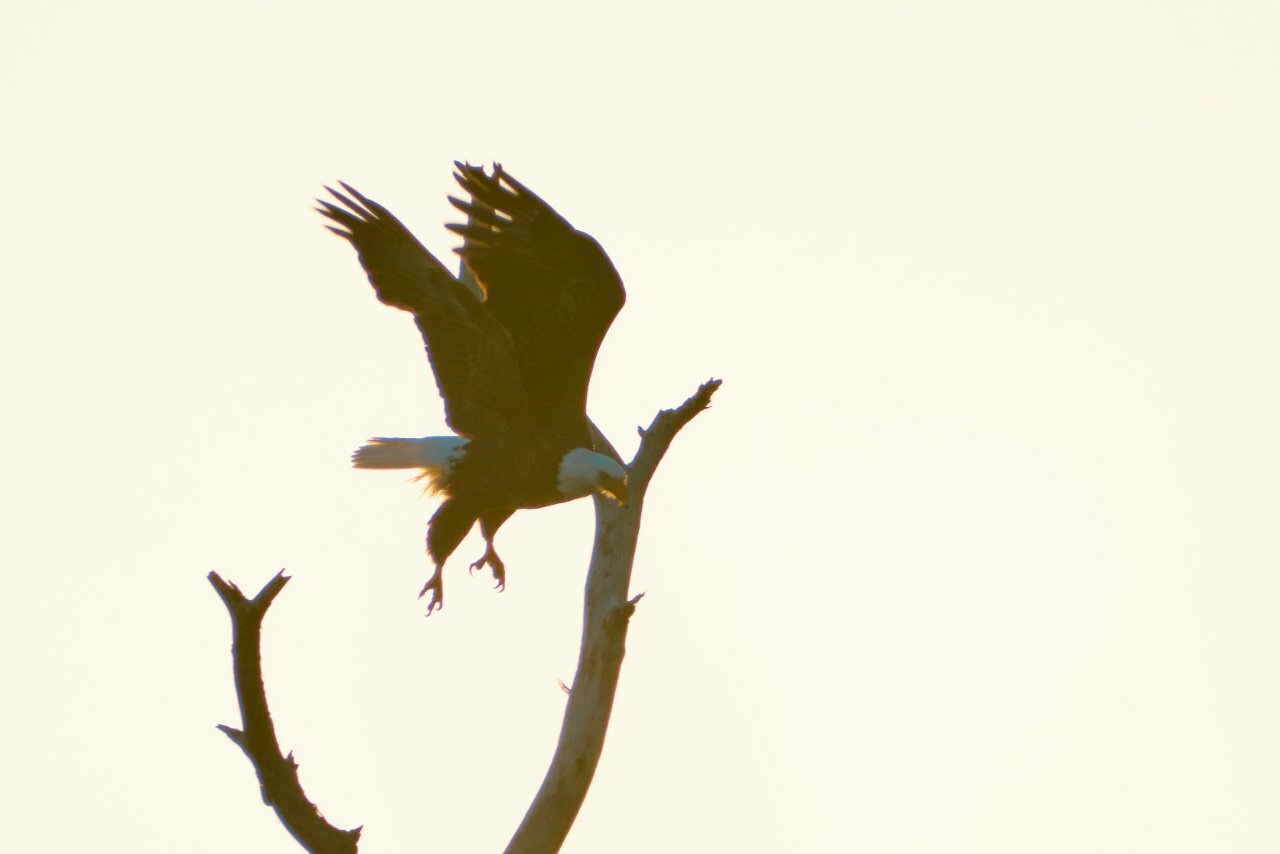
eagle was backlit with intense sunlight, waited a bit for him to take off
1 point -

Astro-photography (open thread)
MARRIEDGUY9 reacted to jerryy for a topic
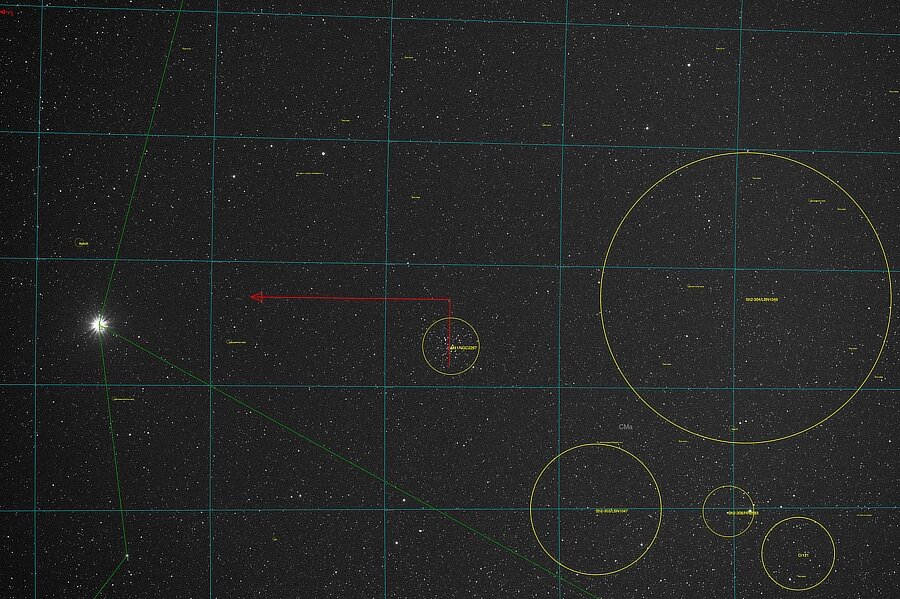
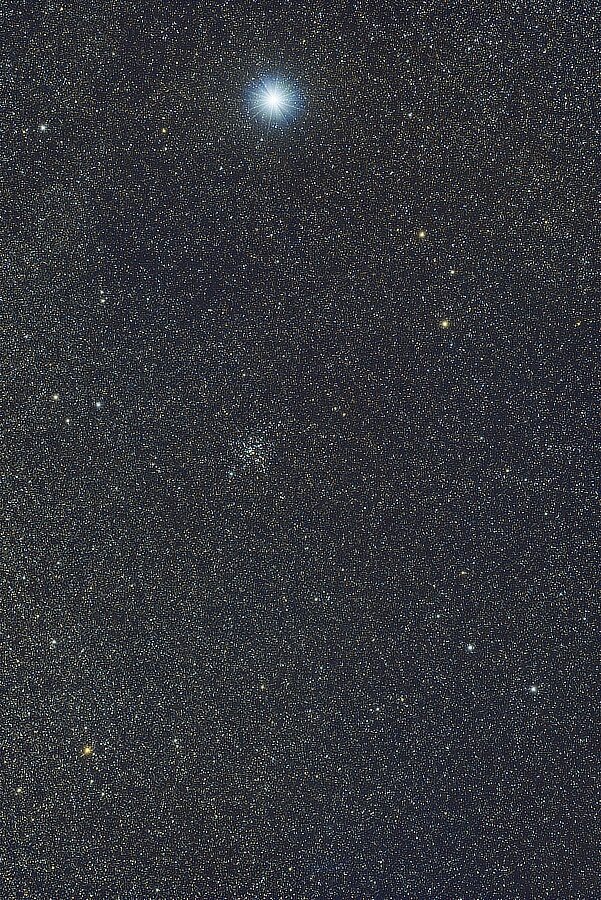
But Sirius-ly Dog Star... Of all the neat and interesting or just regular things to see in the night sky, Sirius, The Dog Star in constellation Canis Major, is considered the easiest to find, because it is the brightest star in the night sky. Being close to the Orion Constellation also helps make it easy to find. Sirius is going to continue getting brighter because it is moving toward us, in about 60,000 (60.000) years it will be a very close neighbor. (This is the equivalent of 28 minutes, 20 seconds worth of exposure). If you can find Sirius up high enough in the sky, then just below it you should be able to find Messier Object M41, The Mini Beehive Cluster (related in name to Messier M44 the Beehive Cluster). Sirius and M41 are companions, tracking together across the night sky. There are some other interesting objects, clusters and nebulae in that region, probably the most famous is Sh2-308, Dolphin Head Nebula. Canis Major (Big Dog): https://www.constellation-guide.com/constellation-list/canis-major-constellation/ Sh2-308: https://astrocat.info/sharpless-308-the-dolphin-nebula/ Sh2-304: http://galaxymap.org/cat/view/sharpless/304 Cr-121 (Collinder Open Cluster): https://in-the-sky.org/data/object.php?id=20726 Messier M41: https://www.go-astronomy.com/messier.php?Messier=M41 Sirius: https://www.space.com/21702-sirius-brightest-star.html Sirius: https://en.wikipedia.org/wiki/Sirius
1 point -
Astro-photography (open thread)
MARRIEDGUY9 reacted to jerryy for a topic
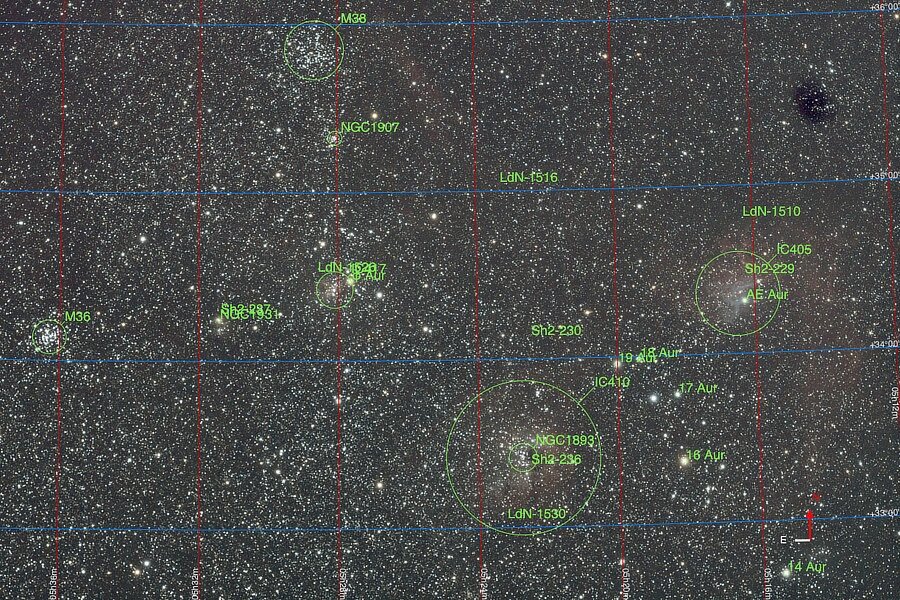
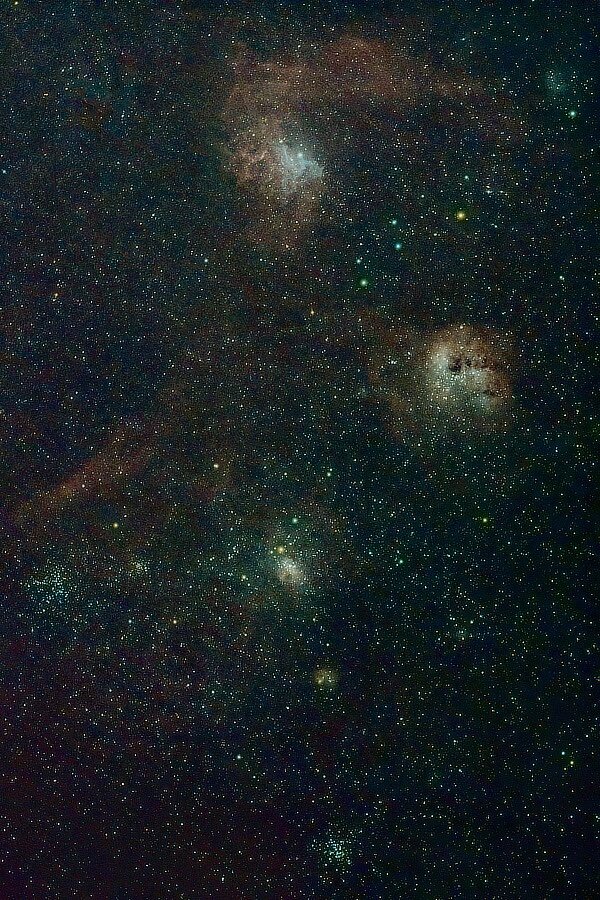
"Will you walk into my parlour?" said the Spider to the Fly” * Back on page one of this thread, there is a post showing a quick exposure isolating IC 405, The Flaming Star Nebula. That section of the sky has so many things to see it is almost a tourist-oriented nature-viewing area. Some of the highlights include tadpoles, starfish, spiders, flies, pinwheels and more. This is the equivalent of just about 56 minutes of exposure. * The Spider And The Fly by Mary Botham Howitt Messier Object M36 (The Pinwheel Cluster): https://www.messier-objects.com/messier-36-pinwheel-cluster/ Messier Object M38 (The Starfish Cluster): https://www.go-astronomy.com/messier.php?Messier=M38 IC 417 (The Spider Nebula): https://www.nasa.gov/image-article/spider-nebula/ NGC 1931 (The Fly Nebula): https://waid-observatory.com/ic417-2020-01-19-HOO.html IC 410 (The Tadpoles Nebula): https://skyandtelescope.org/online-gallery/ic410-the-tadpoles-nebula-a-star-nursery/ And, of course, IC 405 (The Flaming Star Nebula): https://theskylive.com/sky/deepsky/ic405-flaming-star-nebula-object Will the spider once again coax the fly into its parlour? Will the fly escape the machinations? Their exchange is in the sky for us to ponder...
1 point -
1 point