Leaderboard

Popular Content
Showing content with the highest reputation on 01/16/2024 in Posts
-
Welcome to our forum! Which lenses are you planning to use?1 point
-

Astro-photography (open thread)
jerryy reacted to MARRIEDGUY9 for a topic
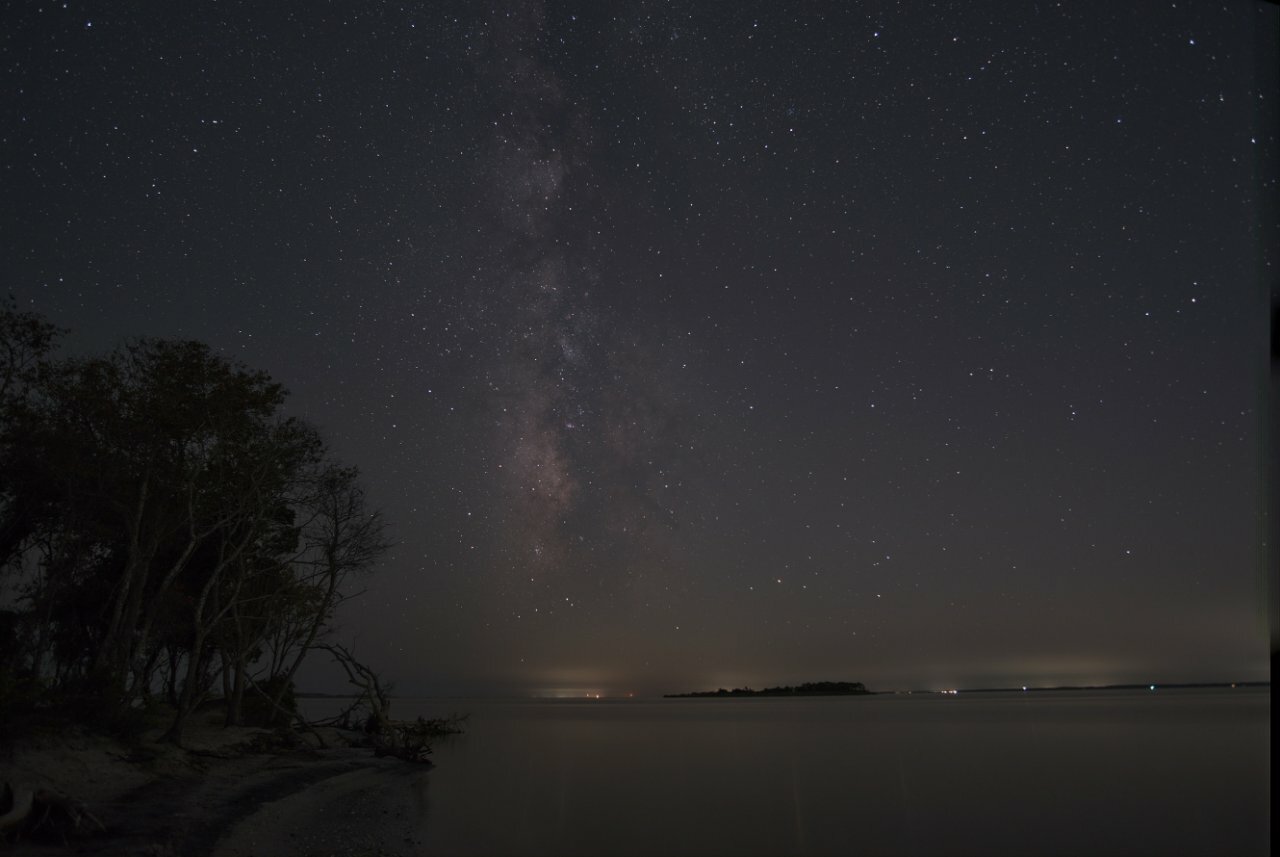
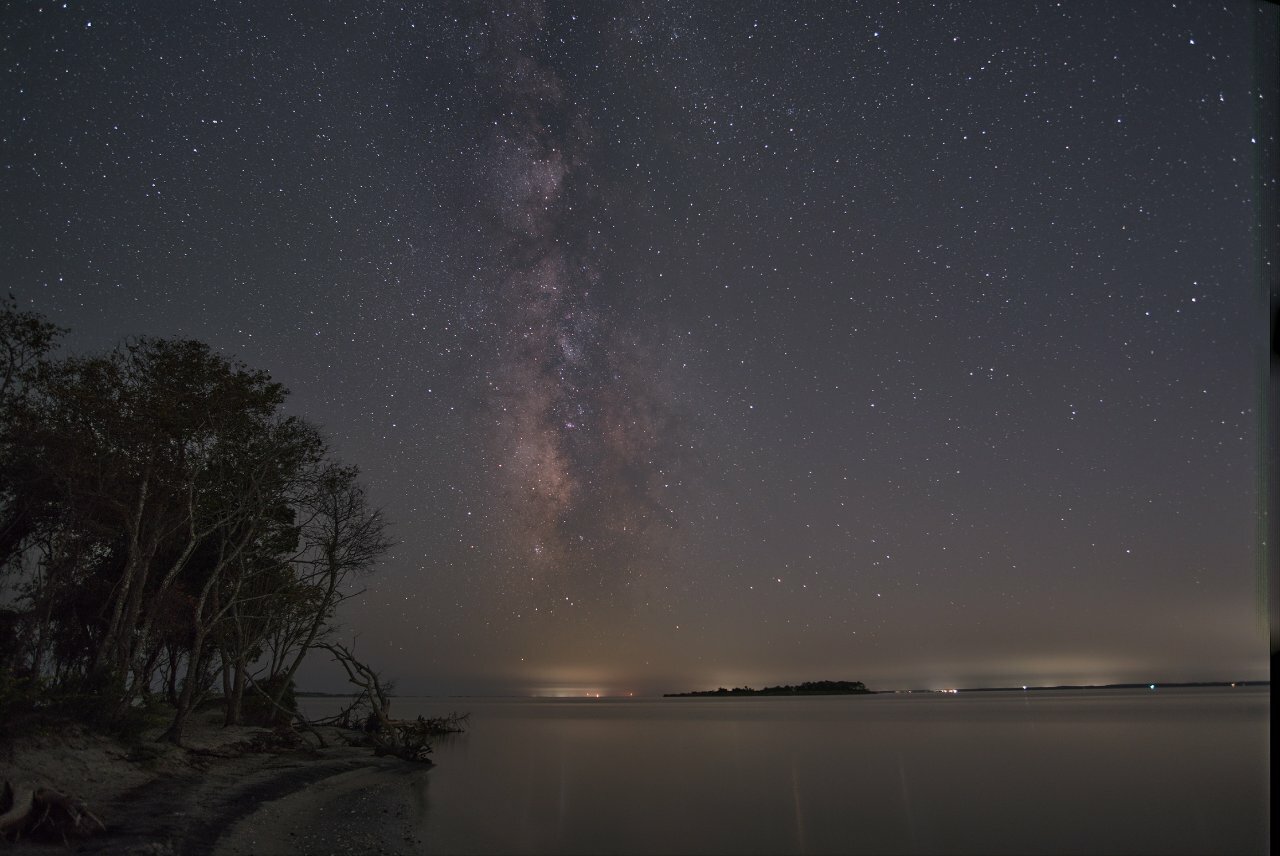
Here is the stacked image......two versions, one with more contrast. 1 point
 -
Astro-photography (open thread)
jerryy reacted to MARRIEDGUY9 for a topic
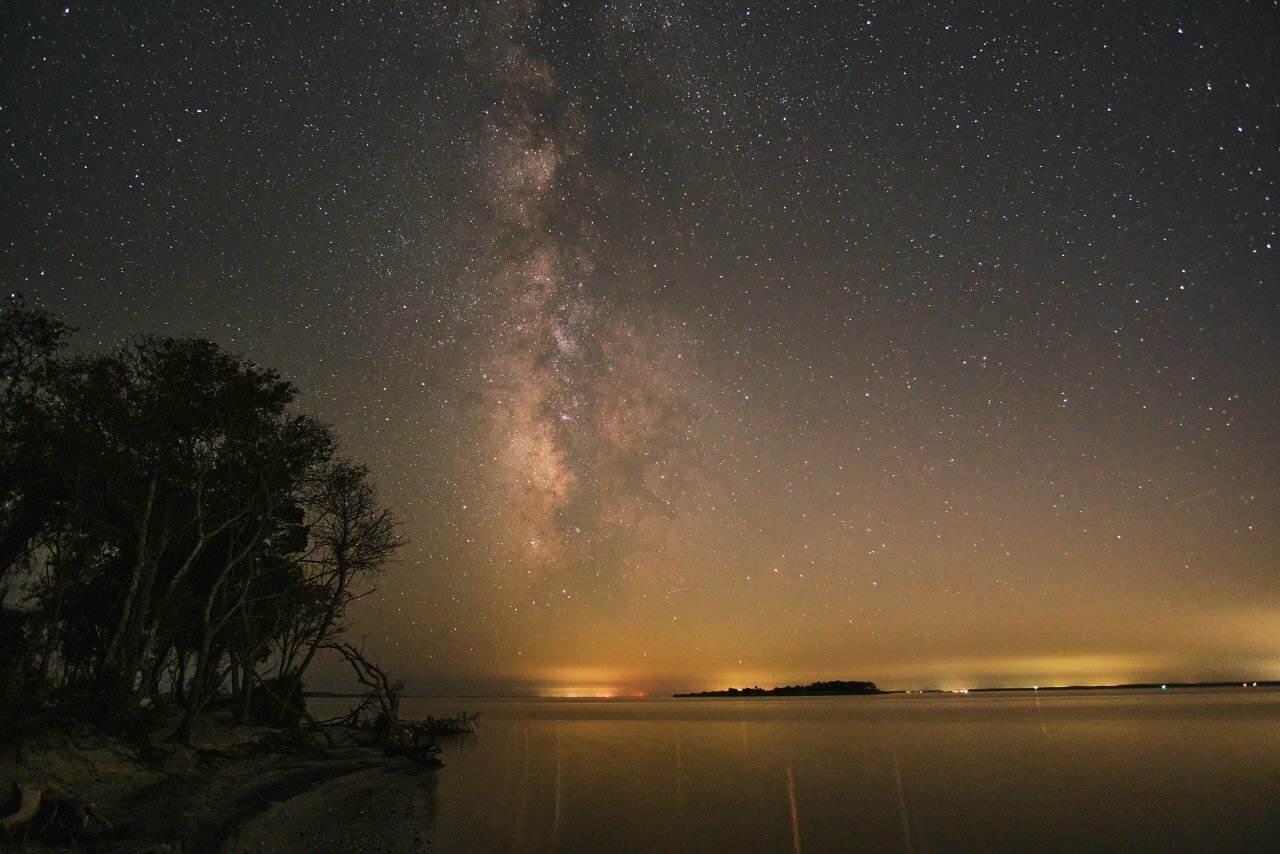
Here is the same image from above. This was an edit of one photo using Capture One. I was using the 12mm Samyang, I think my exposure was around 15 seconds. My next post was a stacked image from this session, 20 images (including this one), stacked in Sequator and edited in Capture One. The stacked image has a lot less noise, not sure if I like it better or not. I want to get some other folk's opinions/critique. What say you?
1 point -

Astro-photography (open thread)
MARRIEDGUY9 reacted to jerryy for a topic
Two heads are better than one, or so says the saying. The Twins ... Castor and Pollux, the heads of the Gemini Constellation. These two are really active in mythologies, I guess being so easy to see in the night sky gave story tellers easily findable point-to visuals for their wild tales. Some tales have the two being called Hercules and Apollo, other tales have them helping Hercules. Some tales claim these two are Romulus and Remus, founders of Rome, while yet others claim these two are associated with the Chinese ideas of yin and yang. Some claim these two are responsible for a phenomenon called St. Elmos Fire, sailors tend to like it appearing during storms. Busy days indeed for a pair of pretty lights in the night sky. These are the equivalent of 37.3 minutes of exposure. https://skyandtelescope.org/astronomy-news/meet-castor-six-stars-in-one/ https://skyandtelescope.org/astronomy-news/meet-pollux-red-giant-exoplanet/ http://www.ianridpath.com/startales/gemini.html https://www.constellation-guide.com/constellation-list/gemini-constellation/
1 point -

Seascapes
MARRIEDGUY9 reacted to Ektachrome for a topic
I love these. I like your choices in stylising the colours - enough to be interesting, but not garish 👍🏻1 point -
landscapes with fuji x
MARRIEDGUY9 reacted to jerryy for a topic
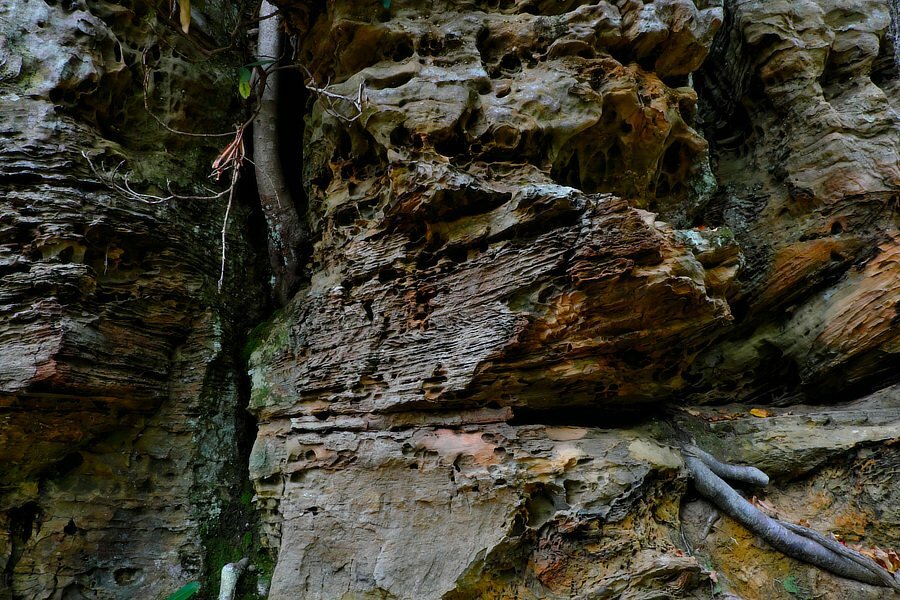
Another round in the ongoing struggle between tree and rock.
1 point -
Astro-photography (open thread)
MARRIEDGUY9 reacted to jerryy for a topic
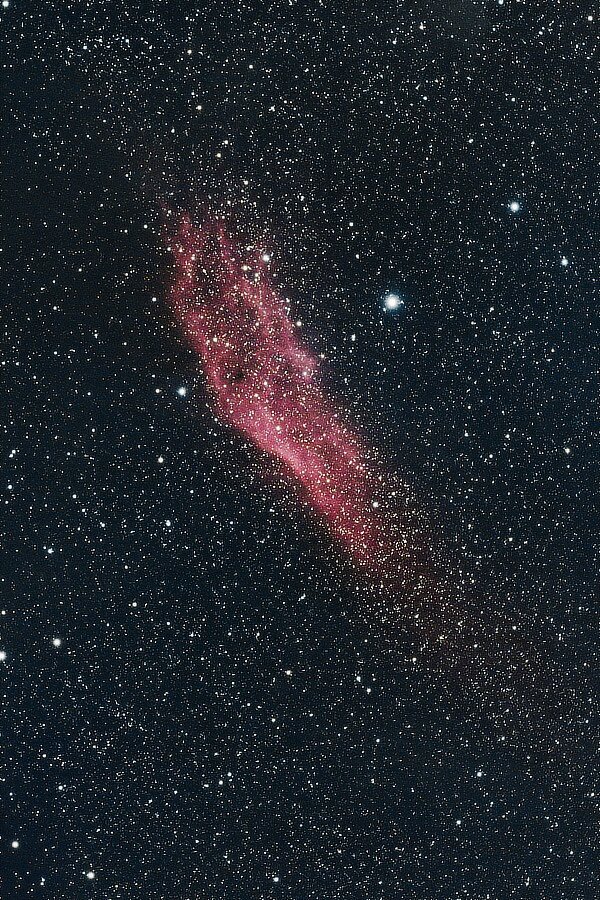
Eureka! The Golden State. NGC 1499 is called the California Nebula, it has roughly the same shape as does the (US) state California. (California's motto is "Eureka!", its nickname is 'The Golden State'.) In spite of being listed as a 'bright' nebula, NGC 1499 can be tricky to see even in very dark skies. A type of filter called a Hb, or H-beta filter can be really helpful if you hold it up to your eye while observing the nebula. Of course, you have to look in the right space-region. https://apod.nasa.gov/apod/ap210310.html https://apod.nasa.gov/apod/ap190823.html https://www.constellation-guide.com/california-nebula/ This exposure equivalent times in at 69 minutes, 35 seconds.
1 point -
Astro-photography (open thread)
MARRIEDGUY9 reacted to jerryy for a topic
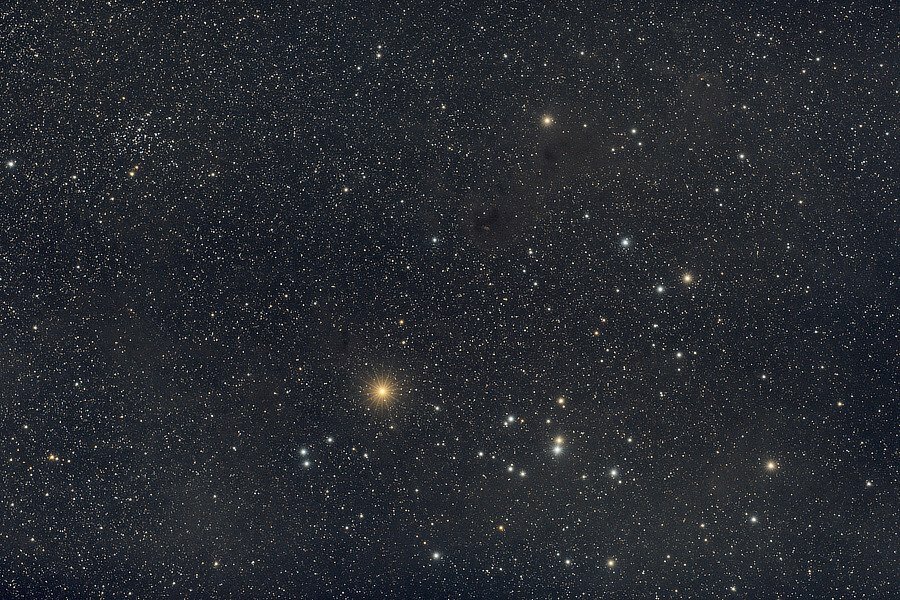
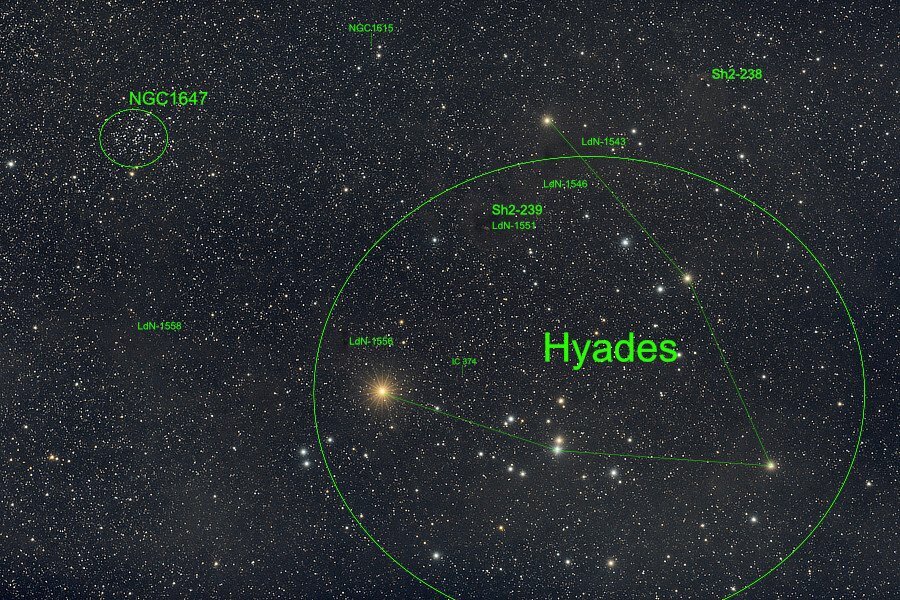
That is Some Bull! The Hyades and More. The Hyades Cluster are up in the Northern Hemisphere's night sky, this time of year. Their v-shape usually is easy enough to find, not just in binoculars, but by looking up in the night sky, not too far away from their sisters in the sky and mythology, the Pleiades. Greek mythology has different tales about the Hyades, one sad. one happy. Other cultures tell different tales. The v-shape seen here is called the Face of the Bull, Taurus, the big yellow-orange-red star Aldebaran is the Eye of Taurus. Aldebaran, though, is not actually part of the Hyades, it is much closer to the Earth and just visually lines up in photos. NGC 1647 is called the Pirates Moon Cluster. The LdN- listings are from (Beverly) Lynds Catalog of Dark Nebulae. The Sh2- listings are from (Stewart) Sharpless' Catalog of Emission Nebulae. The nebulae shown here, are all part of the Taurus Molecular Cloud, the star forming region - a stellar nursery, that is closest to the Earth. This is the exposure equivalent of 51 minutes, 15 seconds. Taurus: https://www.space.com/17101-taurus-constellation.html Aldebaran: https://earthsky.org/brightest-stars/aldebaran-is-taurus-bloodshot-eye/ https://earthsky.org/favorite-star-patterns/v-shaped-hyades-star-cluster-easy-to-find/ https://skyandtelescope.org/observing/happy-nights-with-the-hyades/
1 point -
Astro-photography (open thread)
MARRIEDGUY9 reacted to jerryy for a topic
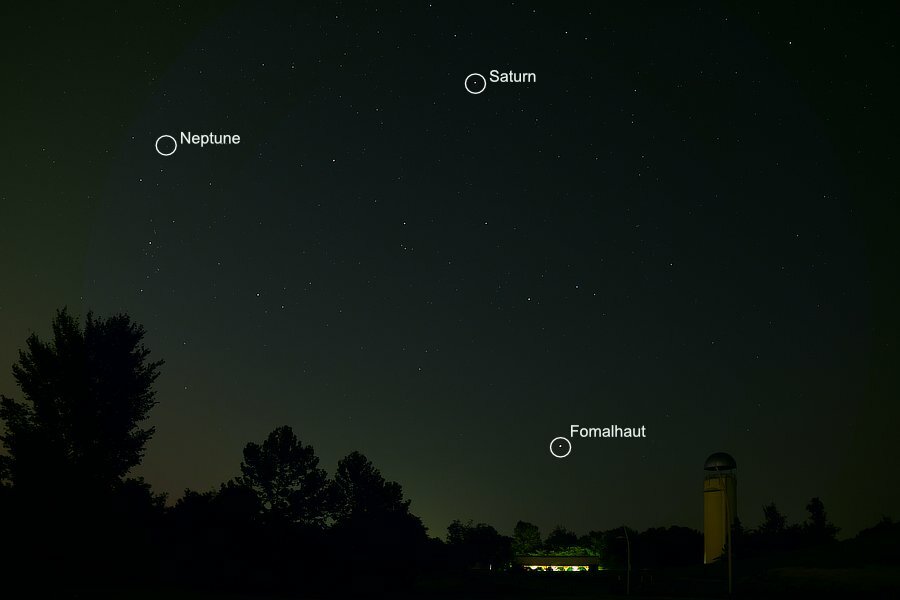
Guiding Lights... This is the equivalent of a 40 second exposure. Knowing where you are while traveling in the Northern Hemisphere these days is fairly easy if you have the comforts modern technology offers. GPS based maps rendered in nice colors on tablets and phones or standalone devices give you your location almost instantaneously. It used to be though, one used a compass based map (or some other vague directions) and at night, the North Star. But if you were traveling in southern directions, lining the North Star with your route could be troublesome. Not to worry, there is a star called Fomalhaut ("The Lonely Star") that does the job almost as well as Polaris (the North Star) does. 1) Neptune: https://solarsystem.nasa.gov/planets/neptune/overview/ 2) Saturn: https://solarsystem.nasa.gov/planets/saturn/overview/ 3) Fomalhaut: https://earthsky.org/brightest-stars/solitary-fomalhaut-guards-the-southern-sky/
1 point -
Astro-photography (open thread)
thelostkiwi reacted to jerryy for a topic
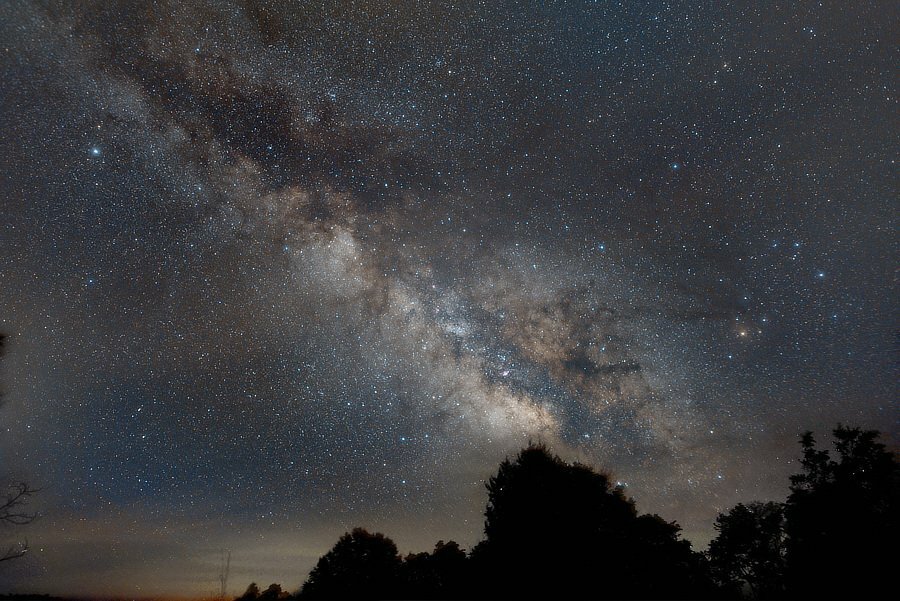
Milky Way in May... This is equivalent to a just-a-touch-over 15 minutes exposure. Milky Way season is underway, and locally, the Milky Way is starting to rotate from landscape mode to portrait mode (it should be fully rotated to vertical in about a month, give or take a few days). On the right side, in this image, the Scorpius Constellation is rising. Antares is the big yellow-red star in Scorpius. https://earthsky.org/constellations/scorpius-heres-your-constellation/ https://www.constellation-guide.com/constellation-list/scorpius-constellation/ I hope to be able to post a version that is more centered on the constellation.
1 point