Leaderboard

Popular Content
Showing content with the highest reputation since 11/20/2025 in all areas
-

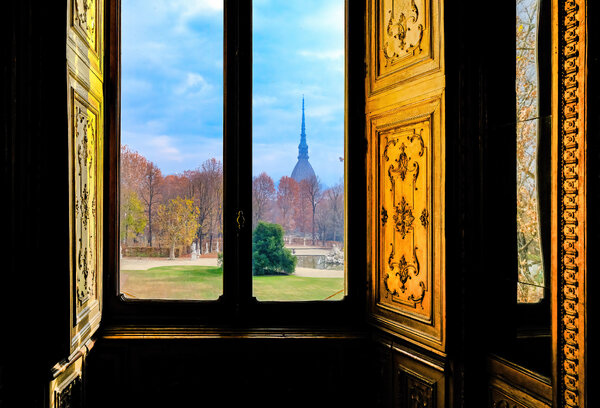
Torino - Palazzo Reale
Golden Oxen and one other reacted to Giampaolo Masserano for a gallery image
From the album: Photos
2 points -
Sinis - Sardegna
jerryy reacted to Giampaolo Masserano for a gallery image

From the album: Photos
Unfortunately, this beach (like many others in the Sinis region) is experiencing a dramatic situation: a massive and partly inexplicable mosquito invasion, which is impacting not only the quality of life of locals but also severely impacting tourism. Spending even a few minutes on one of these beaches means being attacked by hundreds of hungry insects (and, in my opinion, larger than common mosquitoes). Besides the inconvenience of constantly having to swat them away, there is a real health risk because some of them can carry "Western Nile Fever," a disease that in some cases (fortunately very rare) can have serious consequences for the elderly or immunocompromised. One of the likely triggers of this phenomenon is the presence, after a strong storm in recent months, of tons of Posidonia oceanica that have settled on the shoreline and are difficult to remove. On still-warm autumn days, this damp, rotting carpet is the ideal environment for the proliferation of insects. My visit took place from December 12th to 15th, and given the time of year, I didn't expect to encounter a similar situation (which I hadn't encountered in the previous two years). I assure you, taking some photos was very difficult. The municipalities of Oristano and Cabras have implemented extensive disinfestation operations, which appear to have been successful: in Cabras (despite being surrounded by lagoons), mosquitoes are virtually non-existent, while their presence is massive on the beaches. Anyone wishing to delve deeper into the topic or who has understandable doubts about what I've written should consult the local press and TV reports.1 point -
Sardegna - Capo SanMarco
jerryy reacted to Giampaolo Masserano for a gallery image

From the album: Photos
Unfortunately, this beach (like many others in the Sinis region) is experiencing a dramatic situation: a massive and partly inexplicable mosquito invasion, which is impacting not only the quality of life of locals but also severely impacting tourism. Spending even a few minutes on one of these beaches means being attacked by hundreds of hungry insects (and, in my opinion, larger than common mosquitoes). Besides the inconvenience of constantly having to swat them away, there is a real health risk because some of them can carry "Western Nile Fever," a disease that in some cases (fortunately very rare) can have serious consequences for the elderly or immunocompromised. One of the likely triggers of this phenomenon is the presence, after a strong storm in recent months, of tons of Posidonia oceanica that have settled on the shoreline and are difficult to remove. On still-warm autumn days, this damp, rotting carpet is the ideal environment for the proliferation of insects. My visit took place from December 12th to 15th, and given the time of year, I didn't expect to encounter a similar situation (which I hadn't encountered in the previous two years). I assure you, taking some photos was very difficult. The municipalities of Oristano and Cabras have implemented extensive disinfestation operations, which appear to have been successful: in Cabras (despite being surrounded by lagoons), mosquitoes are virtually non-existent, while their presence is massive on the beaches. Anyone wishing to delve deeper into the topic or who has understandable doubts about what I've written should consult the local press and TV reports.1 point -
Sardegna - Torre di CapoMannu
jerryy reacted to Giampaolo Masserano for a gallery image

From the album: Photos
1 point -
Sardegna - IsArutas
jerryy reacted to Giampaolo Masserano for a gallery image

From the album: Photos
1 point -
I discovered this unmarked government installation today.
 1 point
 -
Torino - Palazzo Reale
jerryy reacted to Giampaolo Masserano for a gallery image

From the album: Photos
1 point -
Torino - Palazzo Reale
jerryy reacted to Giampaolo Masserano for a gallery image

From the album: Photos
1 point -
Torino - Palazzo Reale
jerryy reacted to Giampaolo Masserano for a gallery image

From the album: Photos
1 point -
Torino - Palazzo Reale
jerryy reacted to Giampaolo Masserano for a gallery image
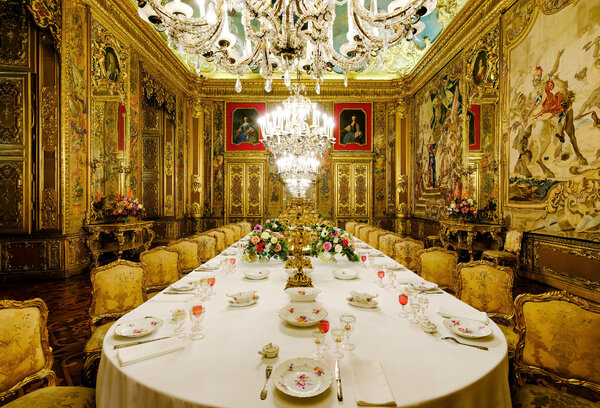
From the album: Photos
1 point -
Torino - Palazzo Reale
jerryy reacted to Giampaolo Masserano for a gallery image

From the album: Photos
1 point -
Torino - Palazzo Reale
jerryy reacted to Giampaolo Masserano for a gallery image

From the album: Photos
1 point -
Torino - Palazzo Reale
jerryy reacted to Giampaolo Masserano for a gallery image

From the album: Photos
1 point -
Autumn fogs
jerryy reacted to Giampaolo Masserano for a gallery image

From the album: Photos
1 point -
The first snow
jerryy reacted to Giampaolo Masserano for a gallery image
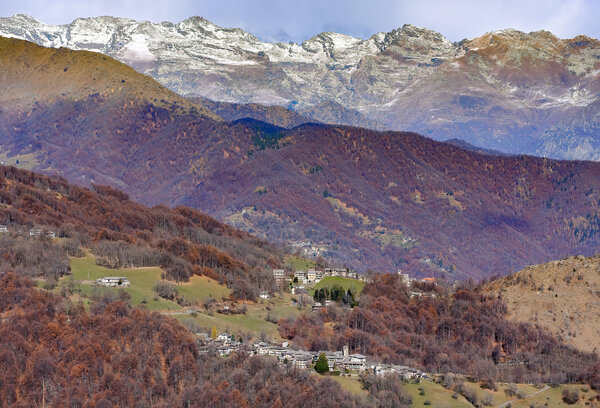
From the album: Photos
1 point -
The "Stone King"
jerryy reacted to Giampaolo Masserano for a gallery image

From the album: Photos
The mountain at top left is Monviso, known as the "Stone King." From its 3,841-meter height, it dominates the surrounding valleys and the entire Piedmont plain.1 point -
This was snapped during a lunch. Total shooting time—a few seconds. We so often read that a proper "portrait" should be snapped with a longer than normal lens, a low ISO to get lots of detail, and have a soft light held up above the head, and slightly to the side. The key, in my opinion, is always carry a camera. Have your camera available to capture candid, authentic photographs. Available light, no posing. This portrait used 2000 ISO, the lens wide open at f4, and 1/100 sec. to stop any movement. I didn't even take time to compose—I just snapped. I leave the "Face Detection" on unless I'm photographing a landscape or subject other than a person. The GFX100RF has the equivalent of a 28mm lens. The large sensor renders fine detail even at fairly high ISO ratings. And the drawing of the lens is just perfect in my opinion. It was set to B & W, with slightly reduced sharpness and clarity (set in-camera). Ideal for "portraits." Now, for some subjects I will likely increase the sharpness and clarity to the normal setting. The camera is new, and I'm still experimenting with it.
1 point
-

Astro-photography (open thread)
MARRIEDGUY9 reacted to jerryy for a topic
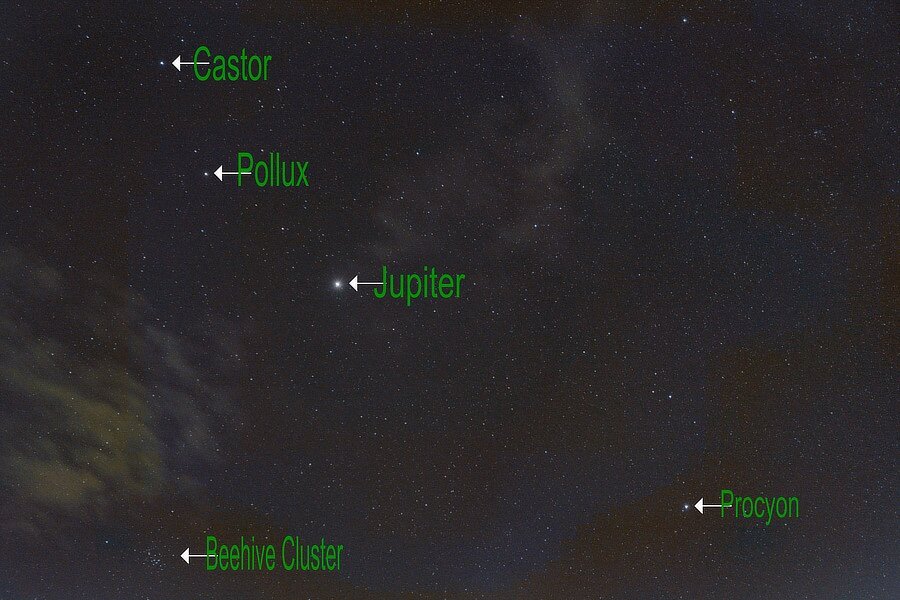
Back on page three of this thread is an image and mention of those mythological and astronomical twins, Castor and Pollux. They are back for your viewing pleasure in the night sky with Jupiter joining them, an added bonus this year. At least for those stargazing in the Northern Hemisphere anyway. For right now, you will need to wait until late at night, Very Late. or Very Early in the morning if your clock works that way. A little after midnight. Look a little to the left of Orion and there these three will be forming an arc. Procyon is along for the arc ride... As long as the clouds are not too much, the arc is visible even in cloudy, light polluted skies like the one shown here. This is the equivalent of a just almost but not quite ten minutes stars exposure with a five seconds clouds exposure.
1 point -

XF 18-120mm F/4 for video: parfocal? Stepping aperture?
jerryy reacted to Claudio Monelli for a topic
Thank you so much, Jerryy! The article is very interesting and now I'm confident about the aperture stepping. About the parfocal property, I have information that the first FW releases didn't fix the initial issues (focusing mistakes in zooming), but a following resease solved the problem: I would like to have a confirmation by some actual user of the lens. Very kind of you, Jerryy!!1 point -
Palazzina di caccia di Stupinigi - Salone d'onore
jerryy reacted to Giampaolo Masserano for a gallery image

From the album: Photos
Not far from Turin stands the "Stupinigi Hunting Lodge", surrounded by an immense park. Built by the Savoys, it is part of what is known as the "Crown of Delights," meaning all the Savoy residences in Piedmont.1 point -
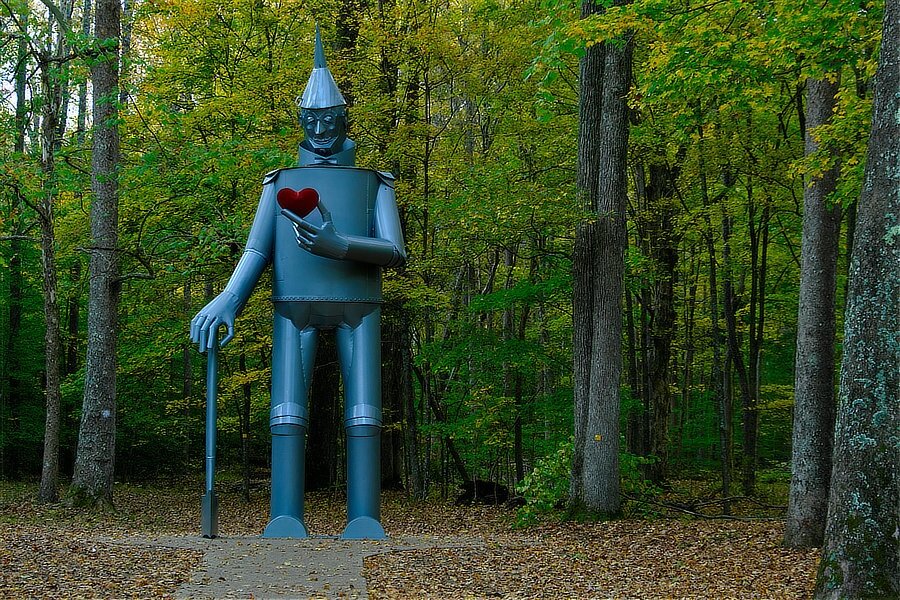
Wondering (wandering) around in the forests, one comes across many critters; deer, squirrels, birds, foxes, bobcats, trolls, twigs... all sorts of critters. But Remember The Tin Man. He too is out there, The Heart of the Forest: The Heart Of The Forest is currently roaming around The Bernheim Forest and Arboretum in Kentucky, USA. https://bernheim.org/tin-man/
1 point
-
Tamron 150-500mm lens opinion?
thelostkiwi reacted to jerryy for a topic
I have a copy of Tamron’s 150 - 600mm G2 lens. It has really good image quality and is easy to use. I have heard the one you are asking about is similar. Will you be able to test it? The only drawback for me with my lens is after carrying it around for a while, it gets heavy and so on the tripod it goes. Also, it was not a FX mount lens, so I use a Fringer smart adapter, but that has never been a problem.1 point -

Dissastisfied xt20 owner thinking of switching brands
MARRIEDGUY9 reacted to Sleeping Dog for a topic
Nothing is perfect and everything is a compromise so other brands and other FF cameras will have their own issues. For myself on my XT30, I've disabled the touch screen and the various function buttons so I can simply concentrate on exposure and composition. My only wish is, and a feature that I'd get a new camera for, is to be able to set a double or triple push requirement for the menu button.1 point -
Astro-photography (open thread)
MARRIEDGUY9 reacted to jerryy for a topic
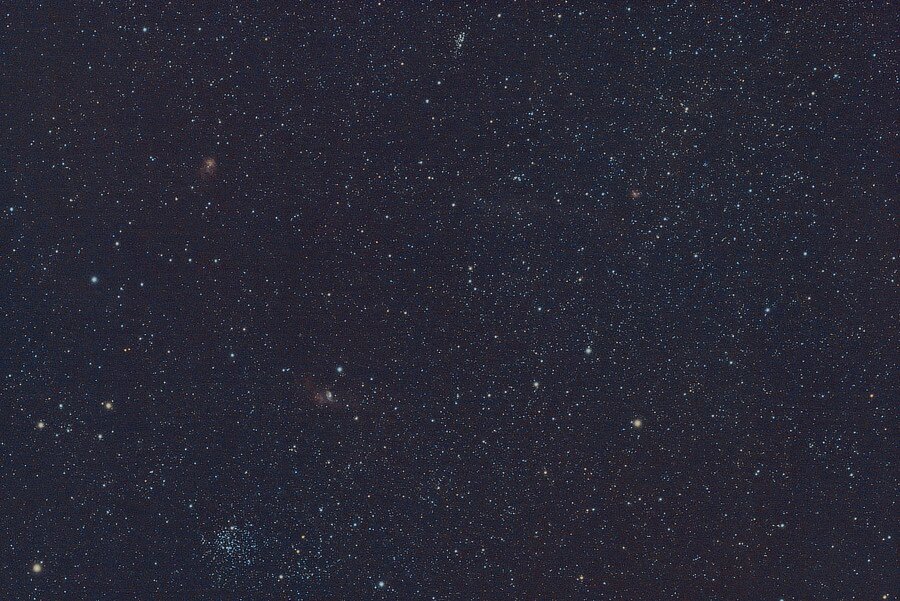
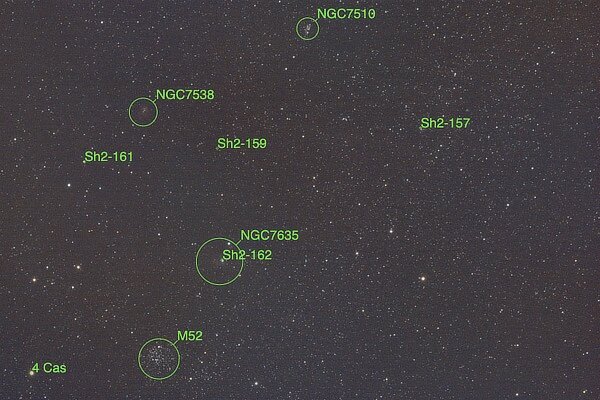
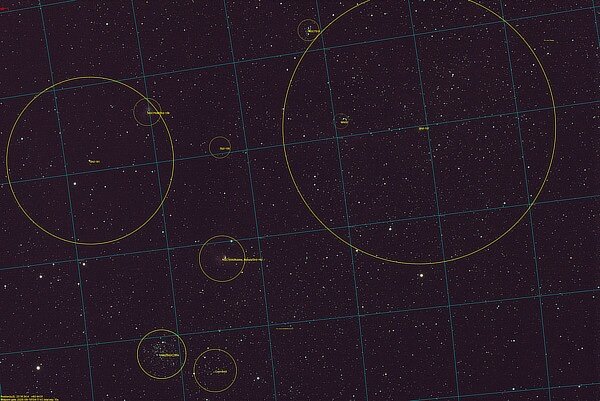
Many star-gazers see Constellation Cassiopeia riding high in the autumn sky as a "w" or "m" shape. It also sits next to Constellation Cepheus which holds some very beautiful clusters and nebulae. One is the Lobster Claw Nebula (Sh2-157): https://www.astronomy.com/observing/deep-sky-dreams-sharpless-2-157/ Other favorites include the Bubble Nebula (NGC 7635): https://svs.gsfc.nasa.gov/12247 and the Northern Lagoon Nebula (NGC 7538); https://en.wikipedia.org/wiki/NGC_7538 This region has some lovely clusters you can see simply by looking up in the right place, while using binoculars (or if you have very good night eyesight, just look up) for them. Messier Object M52: https://freestarcharts.com/messier-52 and NGC 7510: https://theskylive.com/sky/deepsky/ngc7510-object This exposure, timed at just under 54 minutes in Bortle 9 skies, almost hints at the lobster's claw, but really it needs more exposure time to make it visible in photos, darker skies would also help. If you search the internet, you can find some fantastic renditions.
1 point -

Dissastisfied xt20 owner thinking of switching brands
thelostkiwi reacted to pw-pix for a topic
My first Fuji was the X-E3, it was bad to hold and I was often accidentally actuating buttons and controls. I purchased the Fuji metal handgrip for it and found it was significantly improved. Then I disabled the Q button as I was often accidentally pressing it, I also disabled the touch screen. I still own and use the camera 8 years later and it's been a great photographic tool. Maybe look into a handgrip and some adjustments to the controls before you jump ship.1 point -
Astro-photography (open thread)
MARRIEDGUY9 reacted to jerryy for a topic
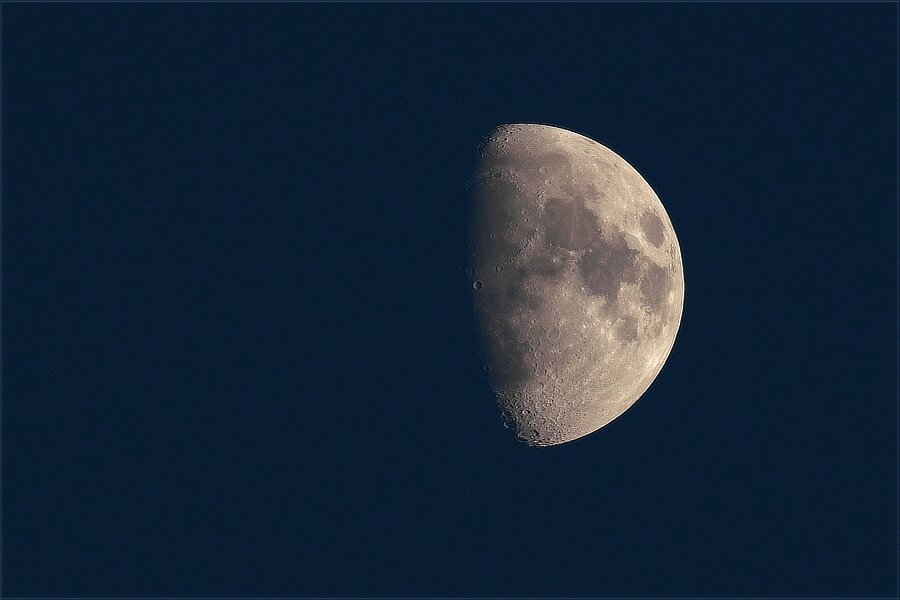
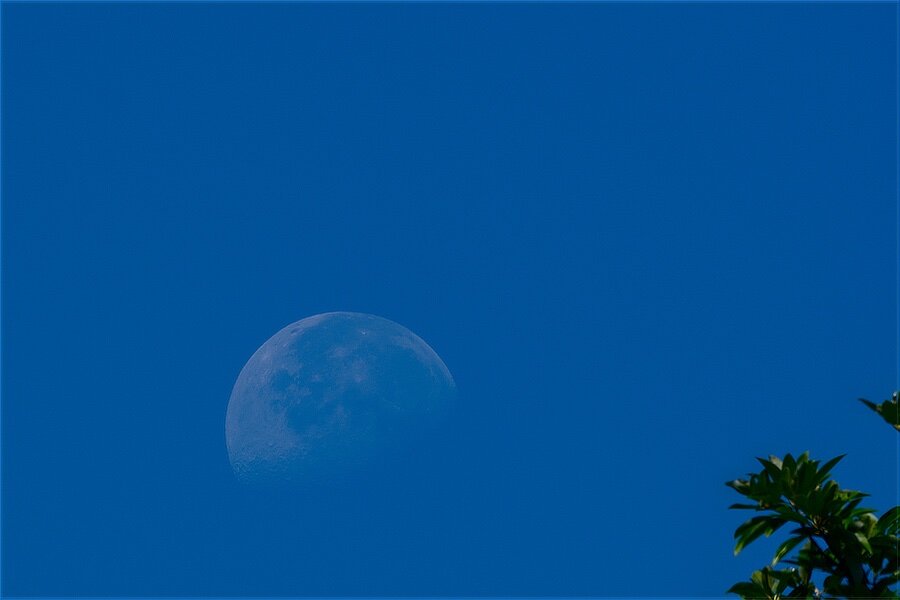
Blood Moon and More... This moon is waxing up to be September's Corn Moon. This year, the Corn Moon offers more than telling us it is harvest time. This moon will be the longest blood moon of the year. It happens September 7 - 8 (The Earth's shadow eclipses the moon.). Folks in Australia, Asia, Africa, and Europe get to see a lunar eclipse. https://www.timeanddate.com/news/astronomy/moon-september-2025 After the waxing comes the waning... Waning Corn Moon.
1 point -
Hi I have tried to make Northern lights photos the first time in my life. I used 2000 ASA, f2.8 and 2 seconds. The aurora borealis was moving around quite fast and with more than 2 seconds the pictures came out like fuzzy mush. To find infinity on the fully manual Laowa lens has to be done in advance, I marked it on the body of the lens. What do you think about the result? Kind regards, Hannes
1 point
.jpeg.dd843e75a50eeda08117709a73fb6a88.jpeg)
.jpeg.fa4754b587773ec85d6079b08d56acec.jpeg)
.jpeg.12101f745a7878dfd38ef36ab9b89d7d.jpeg)