
jerryy
-
Posts
1,928 -
Joined
-
Last visited
-
Days Won
304
Content Type
Forums
Gallery
Store
Everything posted by jerryy
-

-
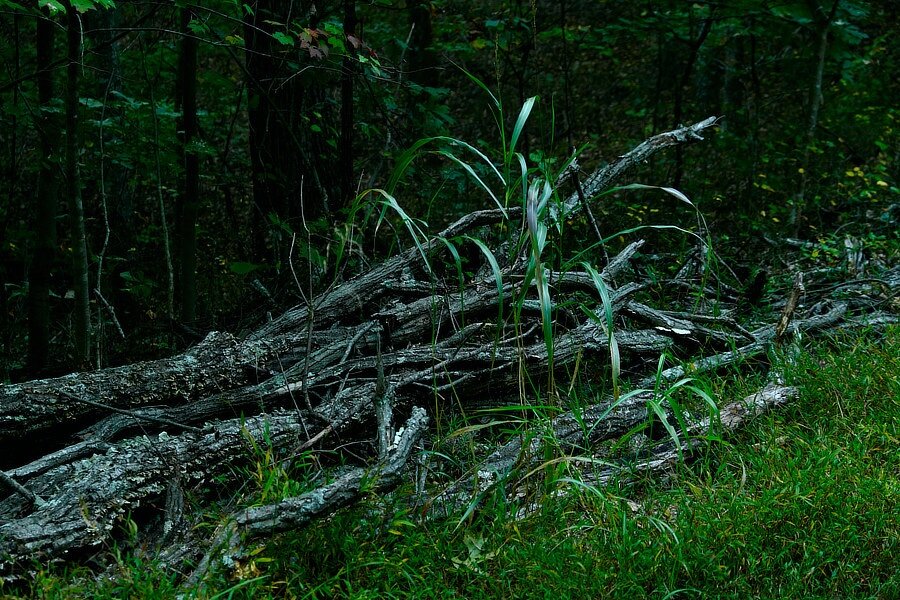
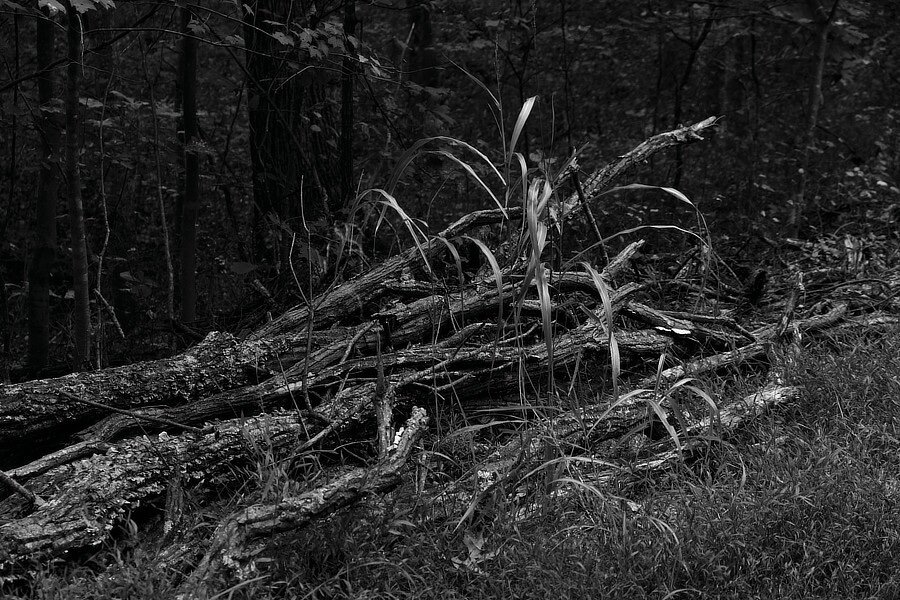
(Open Thread) Not a winter landscape, but still cold.
-
- 1
-

-
Well done! p.s. Welcome to the forum.
-
You appear certain you intend to use this lens for astrophotography. Hmmm. Are you willing to consider the suggestion you will be better off trying the XF-500mm prime lens instead? Simply put, prime lenses are way better than zoom lenses for astrophotography while the XF 150-600mm is great for terra photography. 1.) The lens hood’s connection placement on zoom lenses is right on the very edge of the lens body. This is a loose connection that allows any tiny stray light to enter the lens and then bounce around the many lens element groups, ending up on the sensor, causing all kinds of gradient troubles. For terra photography, cough, cough -daytime photography- cough, cough, this is not a problem because that little stray light is lost among the bright daytime backgrounds. Prime lens hood’s loose connection placement tends to be further up on the lens body, so stray light is usually not able to bounce into the lens so easily. 2.) Weather changes affects the lenses. All lenses can have focus creep even when pointed horizontally, cold and hot causes the mechanical parts to expand or contract differently, but especially when pointed up in the sky because gravity also pulls on the parts. Zoom lenses additionally have something called ‘zoom creep’ which you can figure into the issues you will face during your sessions. Essentially, you need to refocus when it gets cooler during the night. If you are determined to try this lens anyway, best wishes!!! It is possible to make a homemade lens hood. There are plenty of companies that sell dew heater straps fitting this lens to keep it from frosting over during your sessions. Also, you can find Bahtinov Masks or Carey Masks that will fit the lens. These make focusing on the stars much, much easier and are not difficult to learn how to. Or, if your camera body is one of the top line bodies that Fujifilm has released the SDK for, various astrophotography apps will take the live view and help you focus. Say X-T3 but not X-T30, etc. p.s. Welcome to the forum.
-
Hello everybody (I need help with Film Recipes)
jerryy replied to PNog's topic in Newbie / Self Introduction
https://fujifilm-dsc.com/en/manual/x-t30-iii/about_this_camera/parts/#gsc.tab=0 I do not have a copy of this camera, but this page in the manual reads like you do have to change the dial to apply the custom settings, especially for the ACROS based simulation. You are correct about other X series bodies (without the simulation dial) automatically applying the simulation chosen in the setup menus. Perhaps one of the Sim Dial users that show up here now and then will come across this posting and be able to help you. p.s. Welcome to the forum. -
It seems you are dragging up old stuff that has been known for some time. It is stated in the specs the video is recorded in 10 bits: X-H2S @ 4:2:2 10-bit internal recording X-T4 @ 4:2:0 10-bit internal recording The 4:2:2 gives better color space results. The big video advantage for the X-H2S has been faster readout, being able to use external hdmi capture devices and 6K video capture. There is a fairly good video that has been around for a while discussing F-Log2 vs F-log: https://www.youtube.com/watch?v=8kDlhiEOAus p.s. Welcome to the forum.
-
Fantastic!
-
Normally, lithium batteries need some charge to keep them healthy. Try to never let one of these drop to zero charge level, that can cause it to short circuit or be permanently disabled. Have you not contacted or heard back from Amazon yet? I think your troubles will disappear once you get in touch with them.
-
What @Olaf W. said. The U.S. retailers such as BHPhoto, Adorama, etc. have listings of what is supposed to be in the box, and they do list the wall socket adapters. As Olaf mentions, contact Amazon, it could just be a mistake of some sort.
-
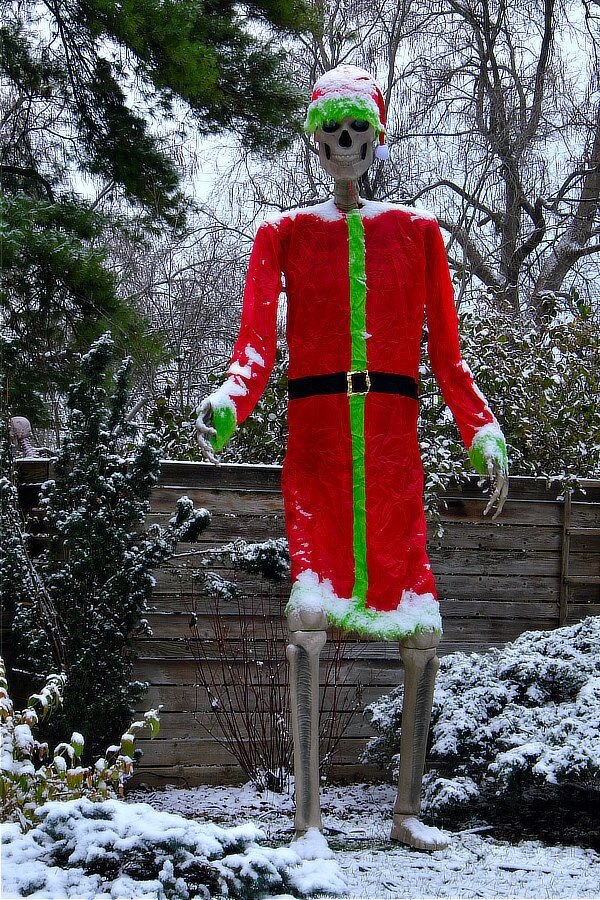
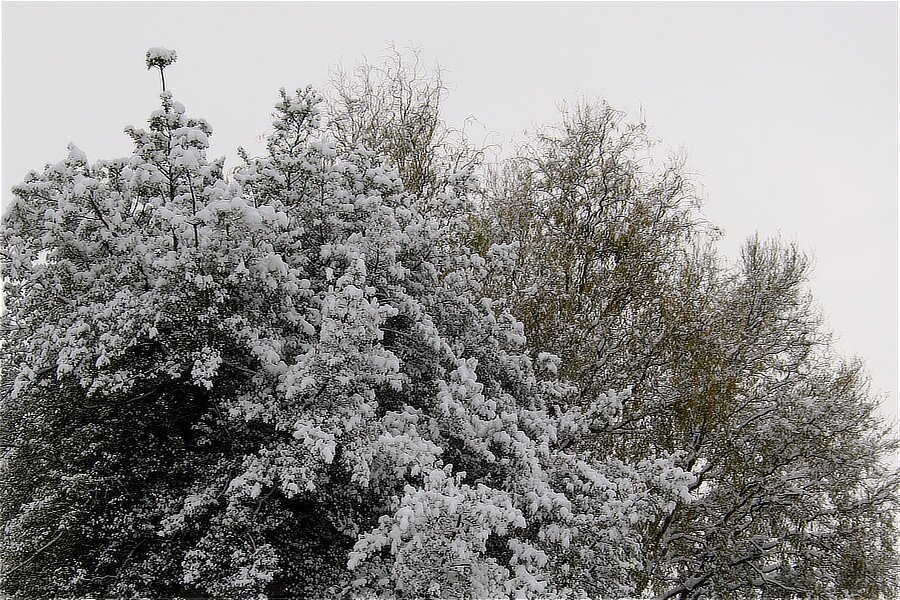
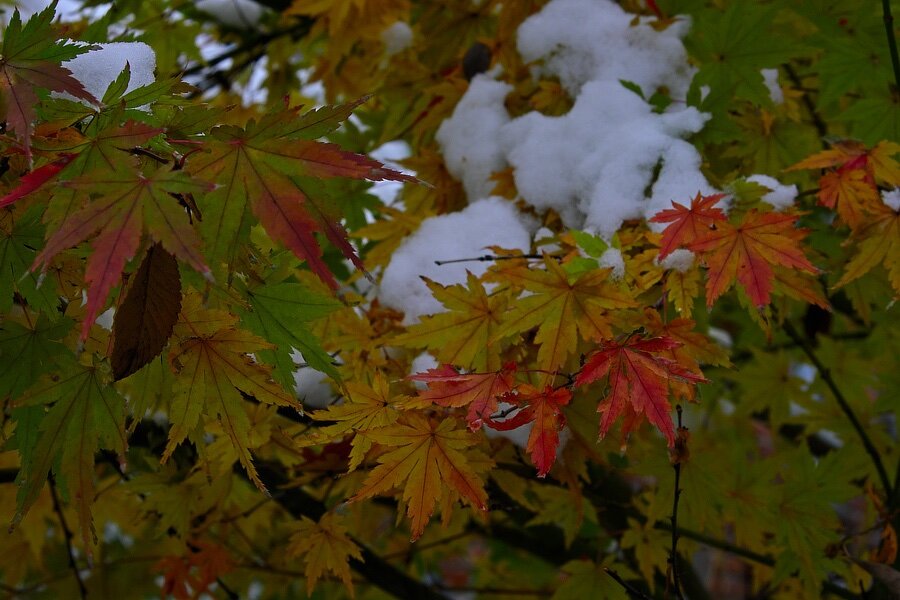
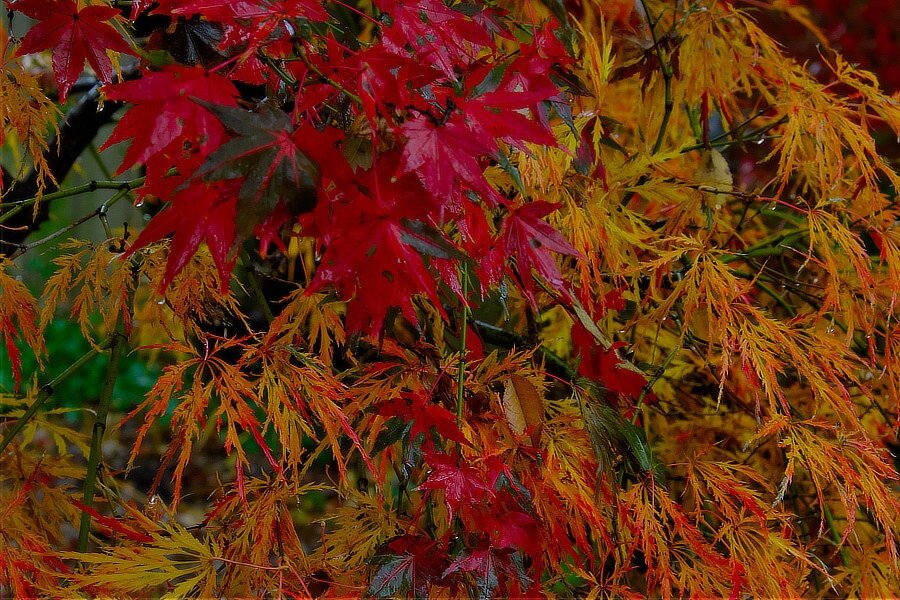
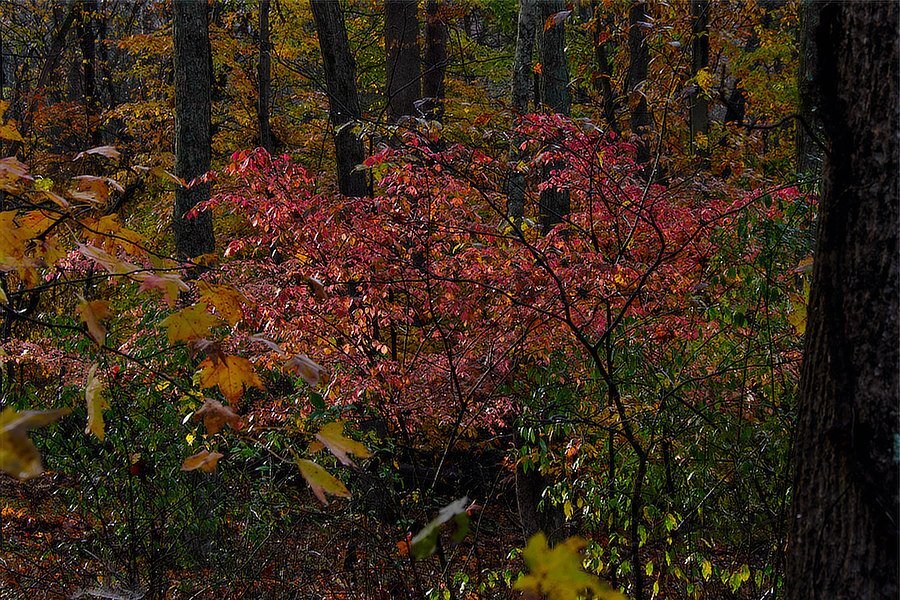
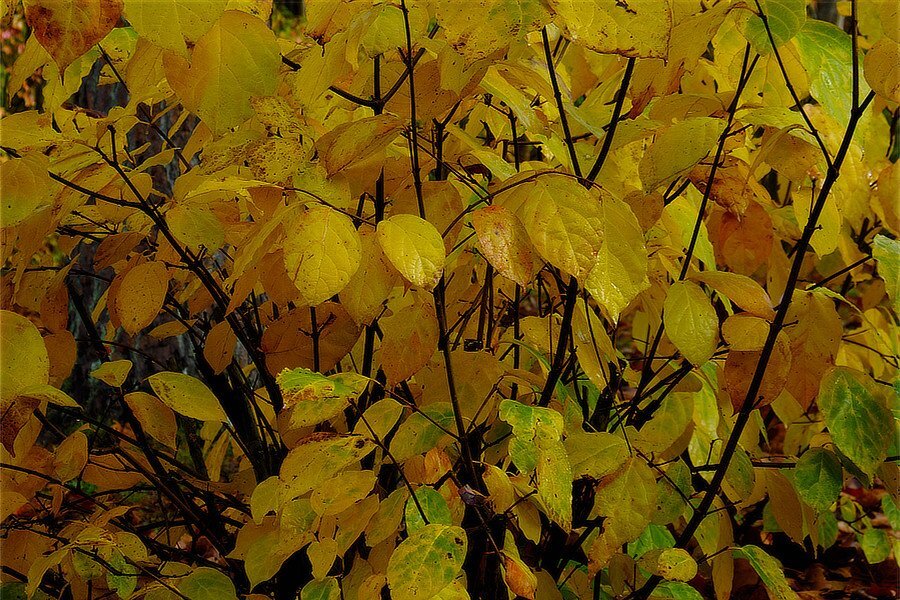
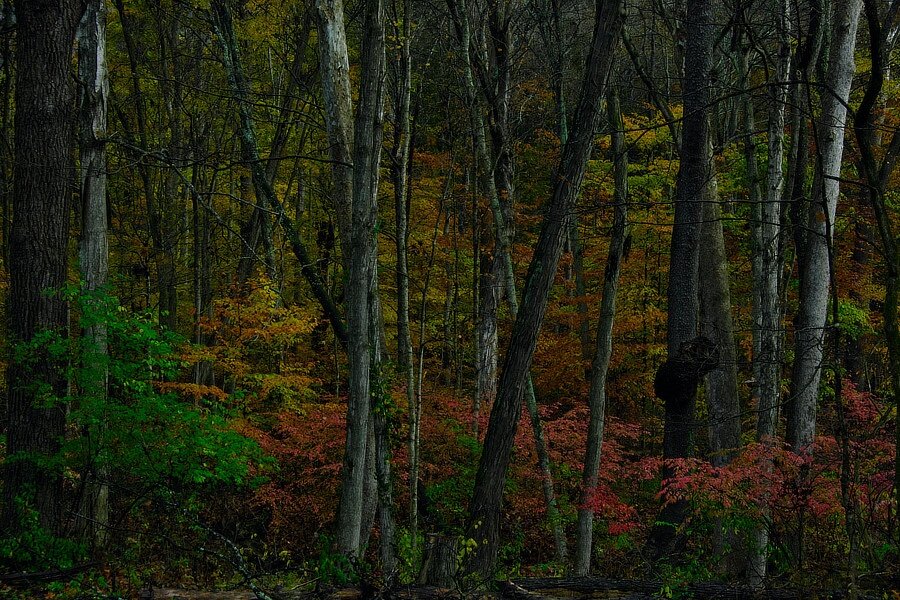
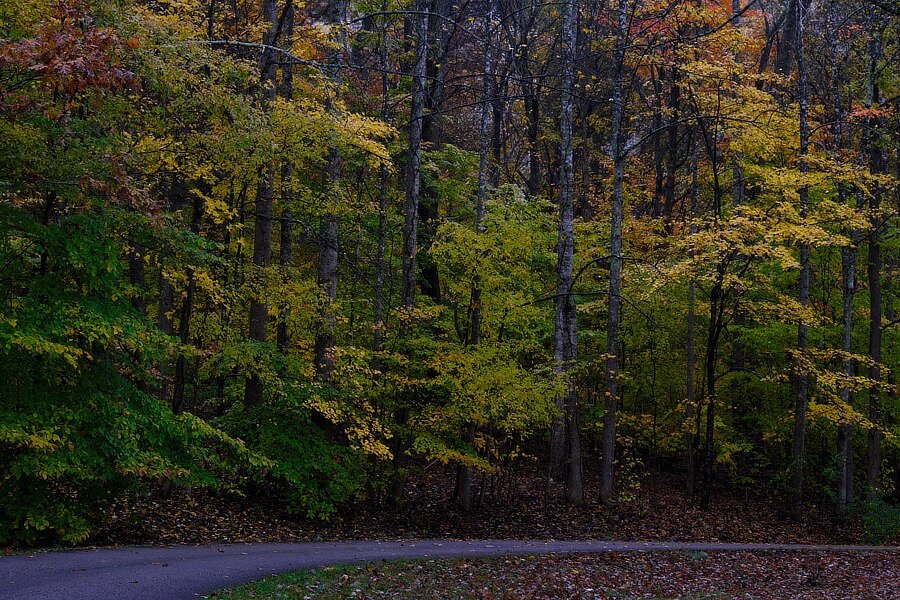
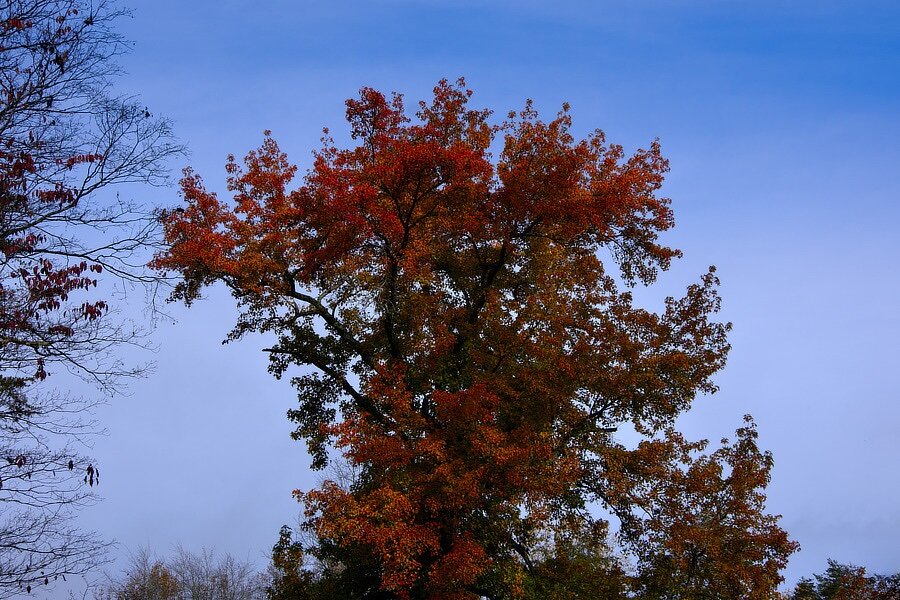
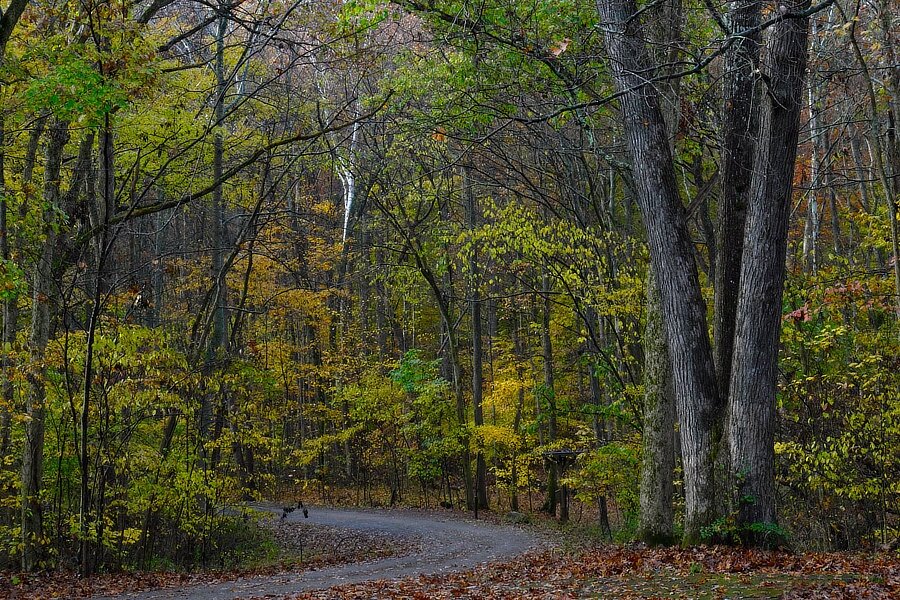
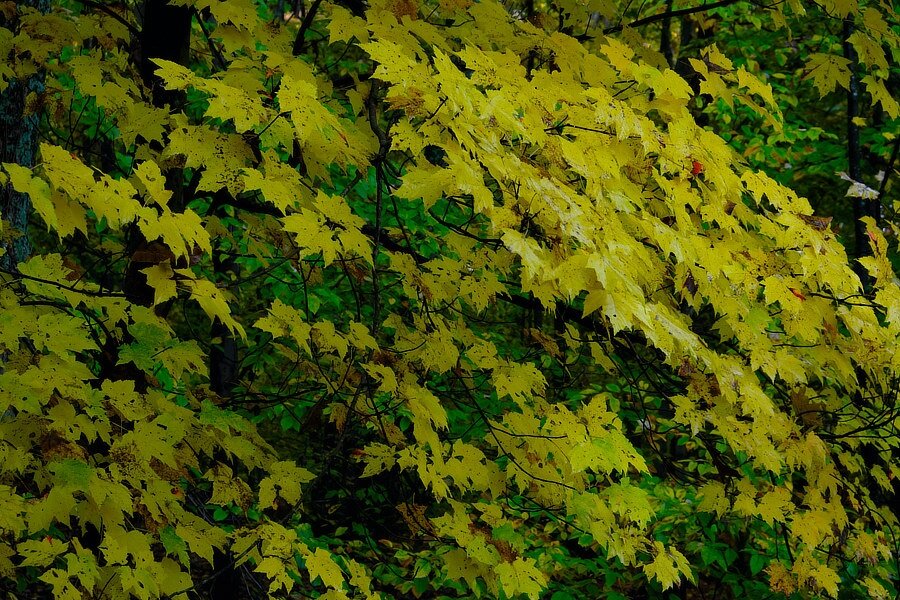
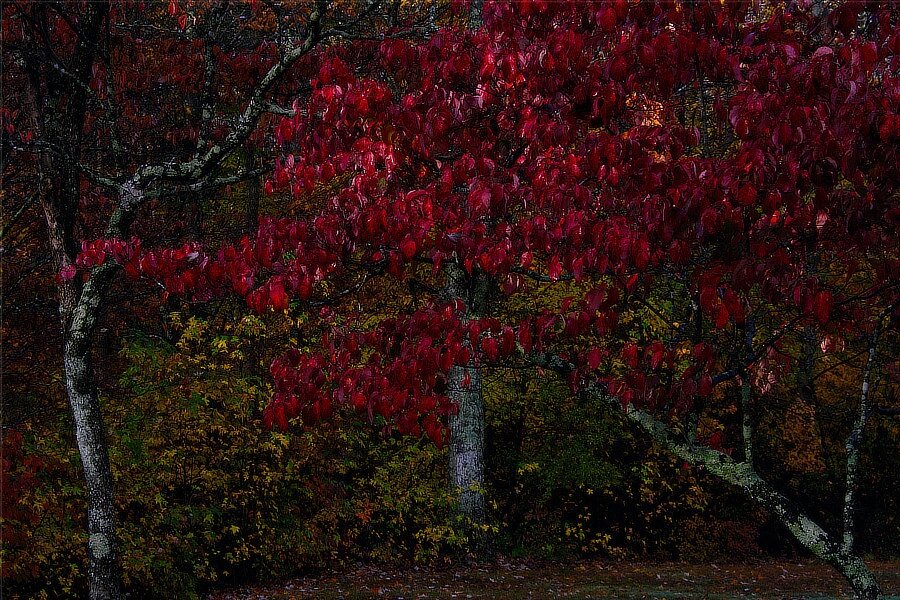
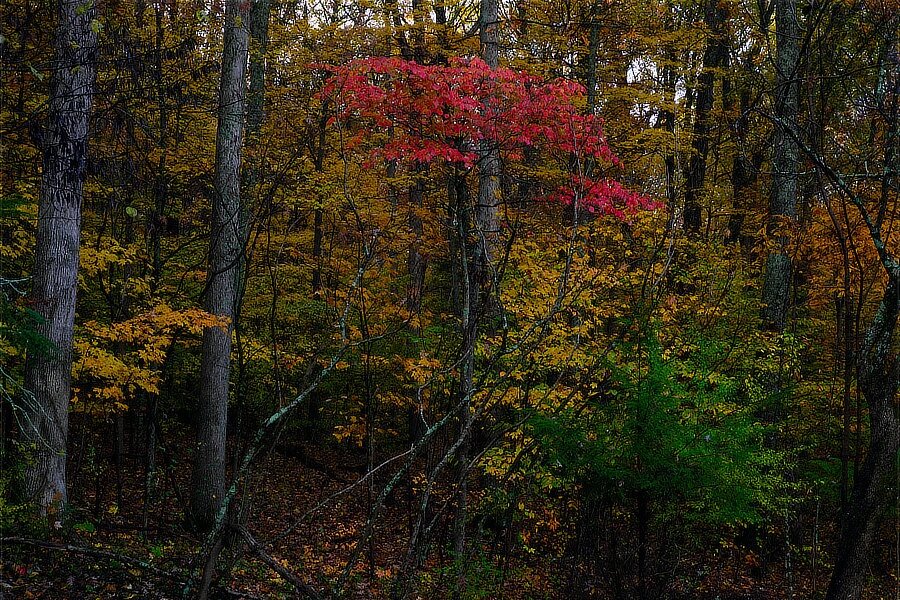
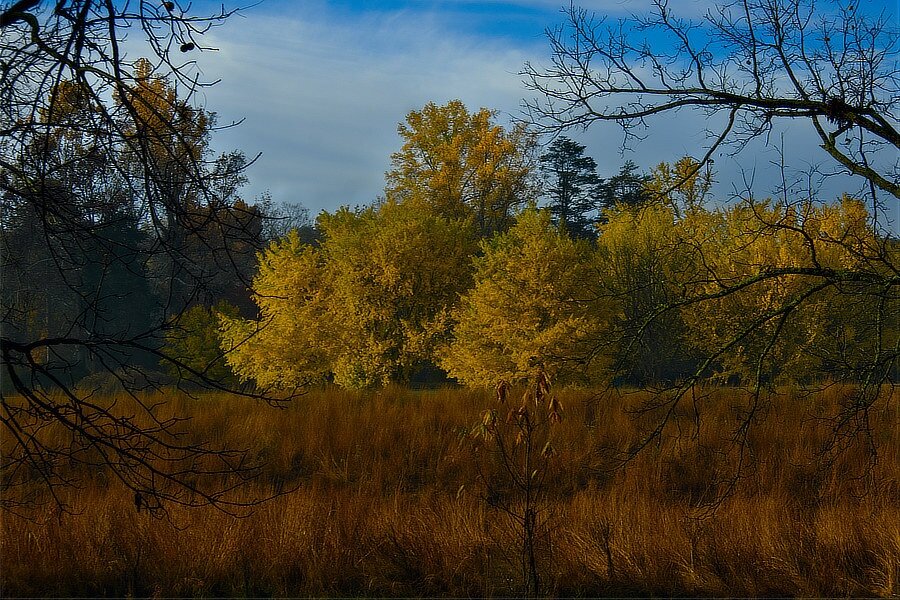
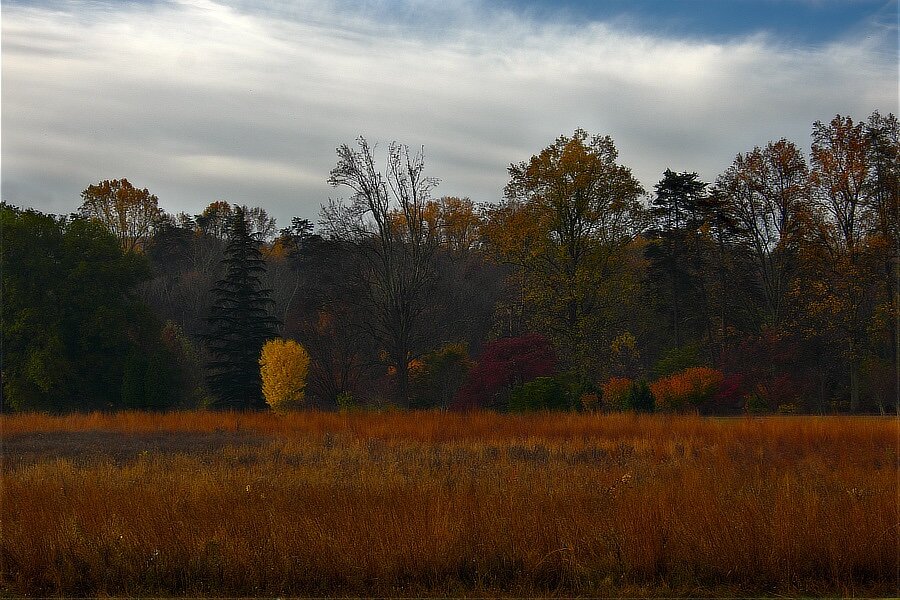
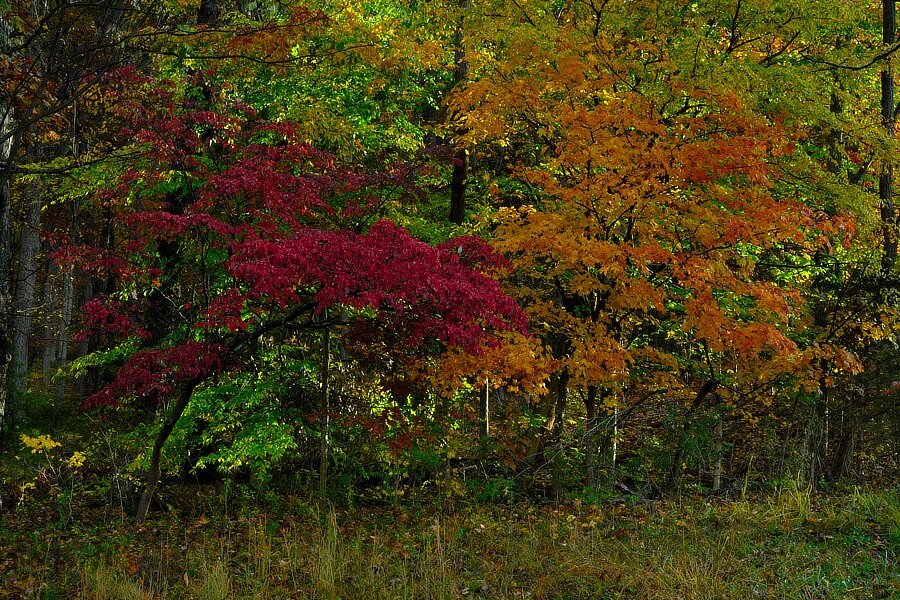
Last day of autumn 2025. Autumn is gradual. Summer field crops slowly ripening. Cool, longer nights turn into morning fogs. Color (colour) touches here and there taking the place of flowers now resting until Spring. Then, after that slow introduction, Fall is everywhere. Winter is brash, Winter is not at all subtle. Freezing cold days and colder nights. The Sun struggles to get above the horizon. Bare fields, iced over streams and woe (‘Woe!! I say!’) to trees or shrubs holding onto leaves. But there is sledding, skiing and hot chocolate for those that like those things 😀.
-
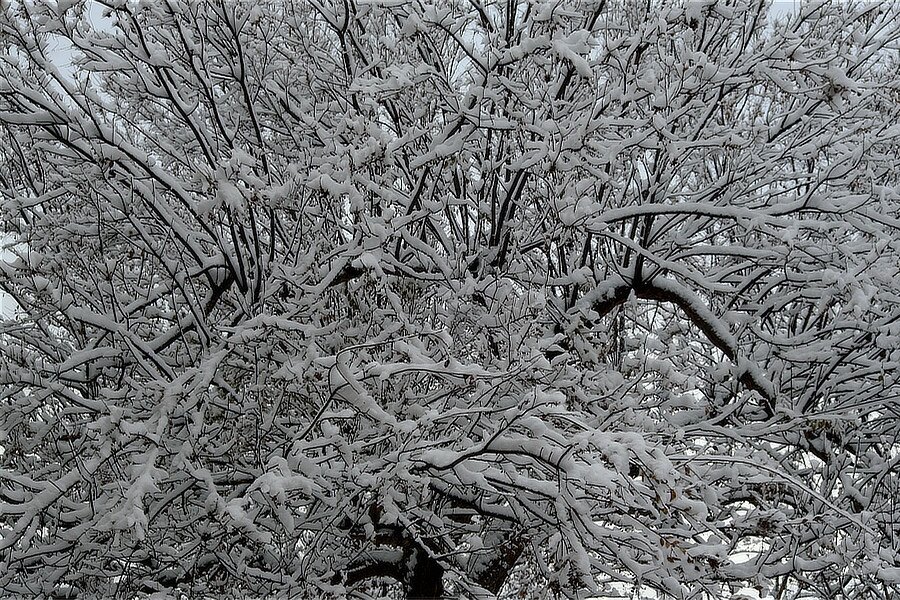
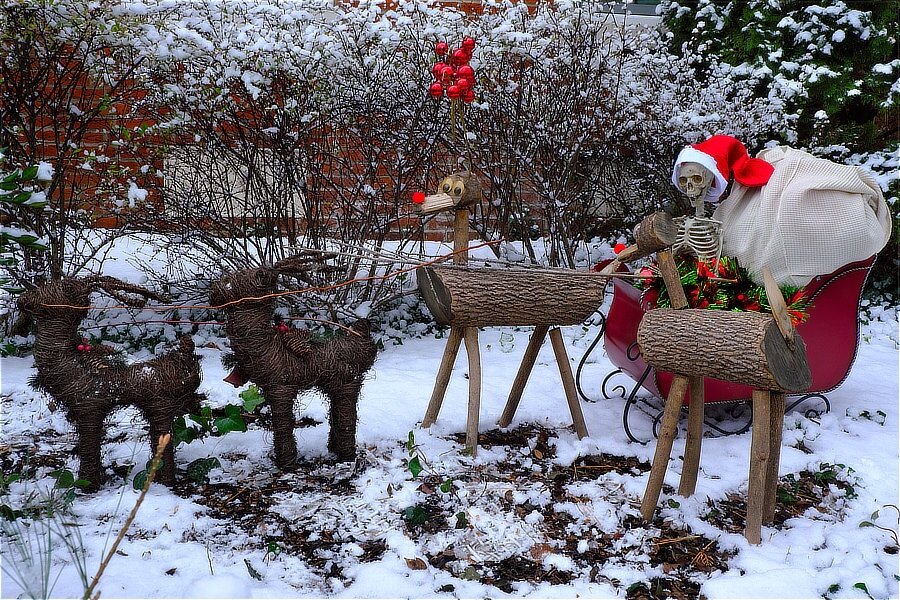
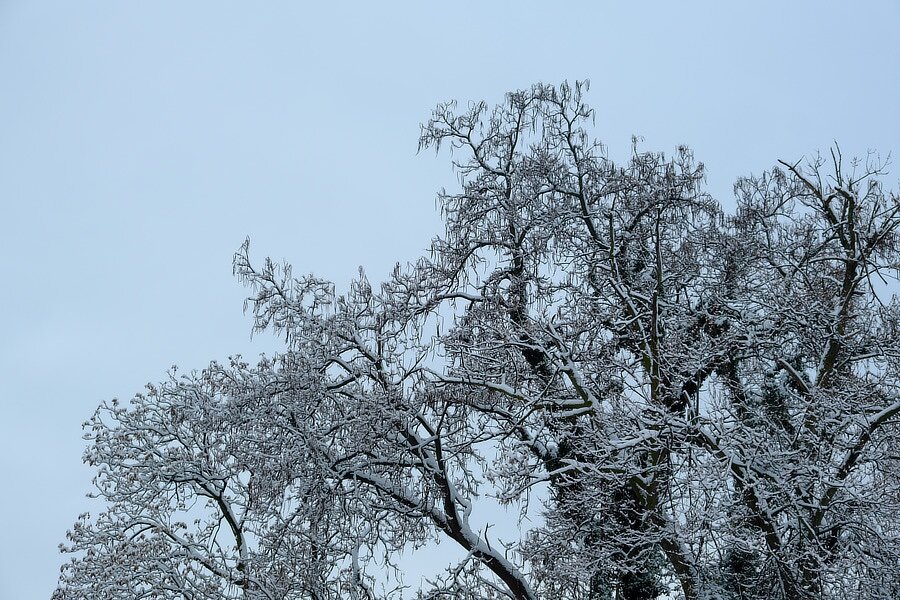
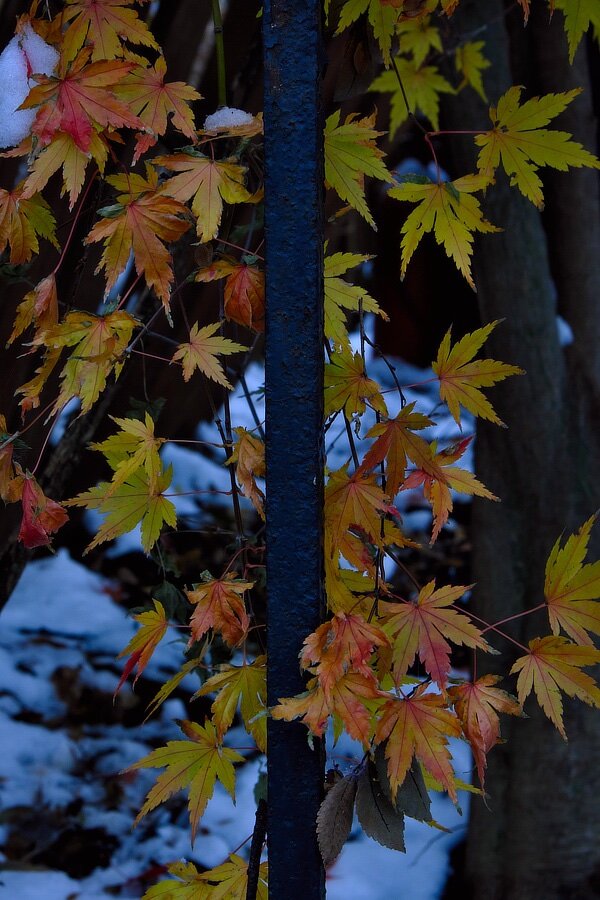
Winter is coming.
-
-
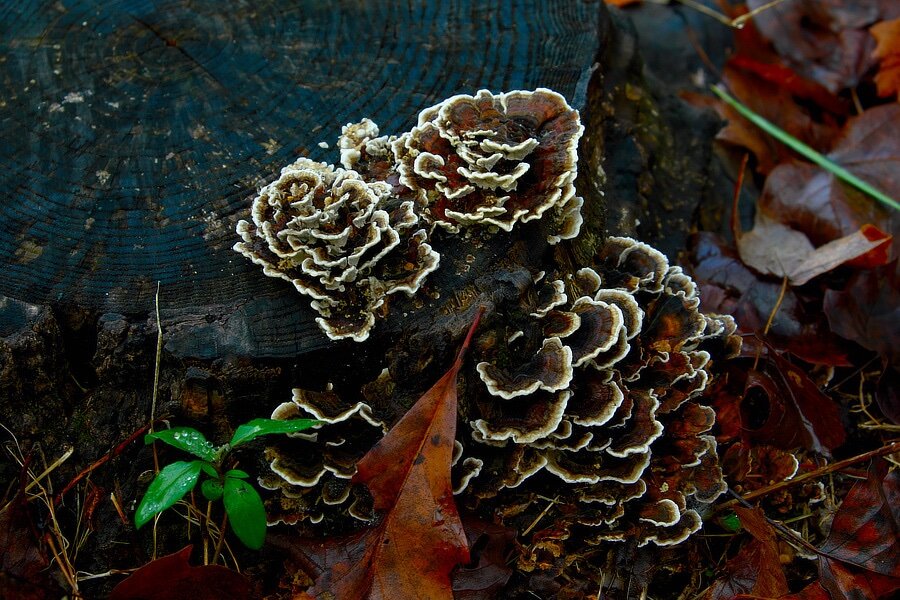
A fungus in the forest. (p.s. Open Topic.)
-
-
-
-
-
-
Ahh, the infamous brick wall photos… 😀 According to internet lore, if the dng converter does not properly apply the corrections, you can have it apply custom profiles that should work for you. How to do that is waaaaaay outside of this comment’s scope, but there are plenty of sites listed in the search engines that step you through the processes. Best wishes.
-
Typically you need to make sure the lens is compatible with the camera, i.e. check the lens compatibility charts for your camera, then make sure the respective firmwares are updated so older issues are resolved. After that, each lens has a manufacturer’s profile which will be embedded into the raw file meta data for the images captured using that lens. From there, it is up to the raw conversion software to apply the lens correction to the image. Different converters do that differently, some automatically, some only if a setting is turned on. For in-camera jpegs, the on-board converter does the corrections automatically, assuming the camera recognizes the lens, it applies a generic profile otherwise. I do not know if that can be turned off or not.
-
-
-
-