

konzy
-
Posts
65 -
Joined
-
Last visited
-
Days Won
1
Content Type
Forums
Gallery
Store
Everything posted by konzy
-
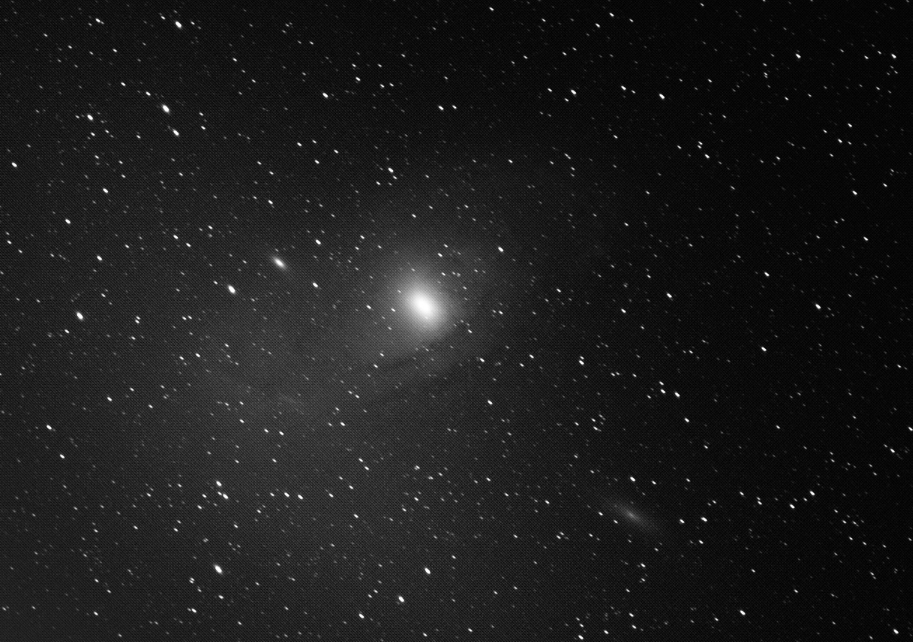
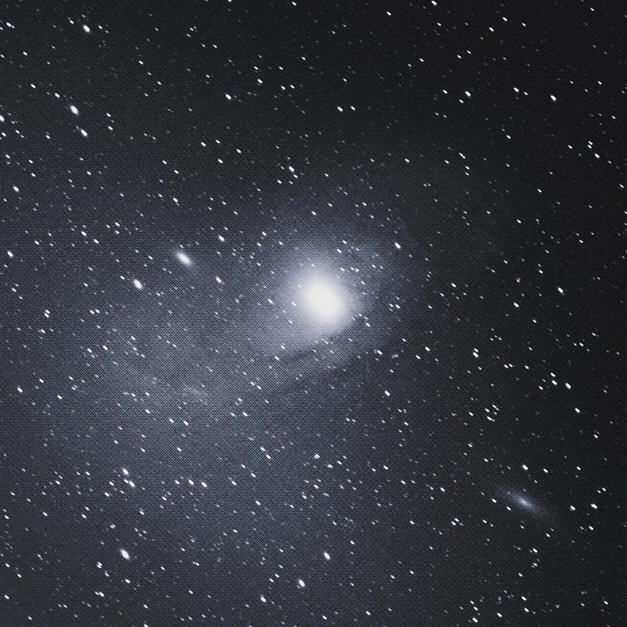
Hey guys! I finally had a chance to make some pictures of the sky. Munich's weather is often challenging, and the Moon isn't very helpful in this regard either! I bought the iOptron tracker, as well as a cheap and yet excellent lens, the Super-Takumar 200mm f/4 from Pentax. This is an old school lens from the 70', I think, which is often recommended as an affordable quality astro lens. Here is one of my first test, the Andromeda galaxy. It's far from being perfect, but as a first try it's really rewarding to get just a little glimpse of something so big and far away! When you think of all the things that are in this pictures: billions of stars, planets and, perhaps, lives... And when you think that the light that hit my camera's sensor traveled about 24,000,000,000,000,000,000 km during 2.5 million years... Wow. This 20 minutes long exposure is a stack of 40 "light" photos (as well as some "dark" frames used to diminish noise) taken with an equatorial mount (iOptron Sky Tracker Pro) and aligned together in DeepSkyStacker software. Single exposures were 30 seconds long, at ISO 1600 and f/4. The big bright halo in the center is the core of the galaxy. You can see a bit of the arms of the galaxy around the core, as well as 2 satellite galaxies: Messier 32 (the brightest halo at the left of Andromeda's core) and Messier 110 (the faint halo at the bottom right). Andromeda is the closest galaxy to the Milky Way, and will collide with our galaxy in about 4.5 billion years... we have time to prepare! Unfortunately, I'm still a beginner and did several mistakes: - The tracking of Polaris was not accurate enough, and we can see a bit of star trailing. For those who are not familiar with tracking mounts, it consists of a motor aimed at the Polaris star, and rotating at the speed of the Earth, in order to eliminate the movement of our planet and make long exposures of the night sky. - The stacking: I probably failed something, because there is a weird fabric-like pattern in the picture. Someone told me it might be due to the de-bayering of the picture, but I have no idea what it means! I'll look into that later - The exposure: the exposure, 20 minutes, is not enough to bring all the details out of the galaxy. 1 hour would have been better! Not to mention that Munich is a light polluted area, even in the city park, and that the moon was quite bright that night. - The aperture I used, F/4, produced quite a lot of vignetting. In astrophotography, it can be removed quite easily, but I need to spend some time on this. Perhaps next time I'll use an aperture of f/5.6, which seemed to produce better results on my test shots. But on the other hand, I think it's a good start and I have a lot to learn, both in the setup itself and the post-production. The version I posted on Instagram is a bit different, the enhanced filters I used brought some of the details in the arms back: As a comparison, here is a picture taken by Hubble, NASA's space camera. You will notice that their picture is infinitely better than mine, but hey, I can't afford to send my Fuji into space To be continued! Konzy ⠀

- 14 replies
-
- 5
-

-
- astro
- astrophotography
- (and 1 more)
-
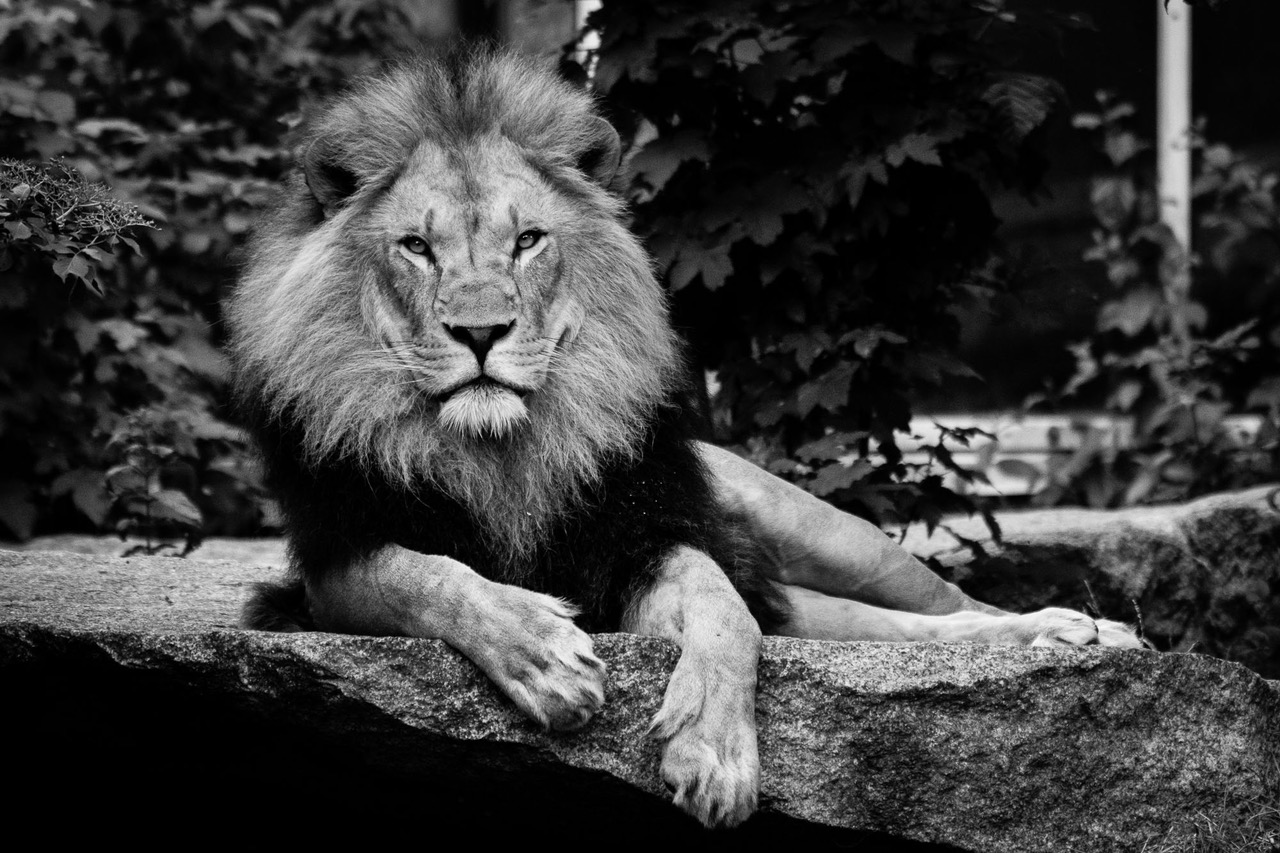
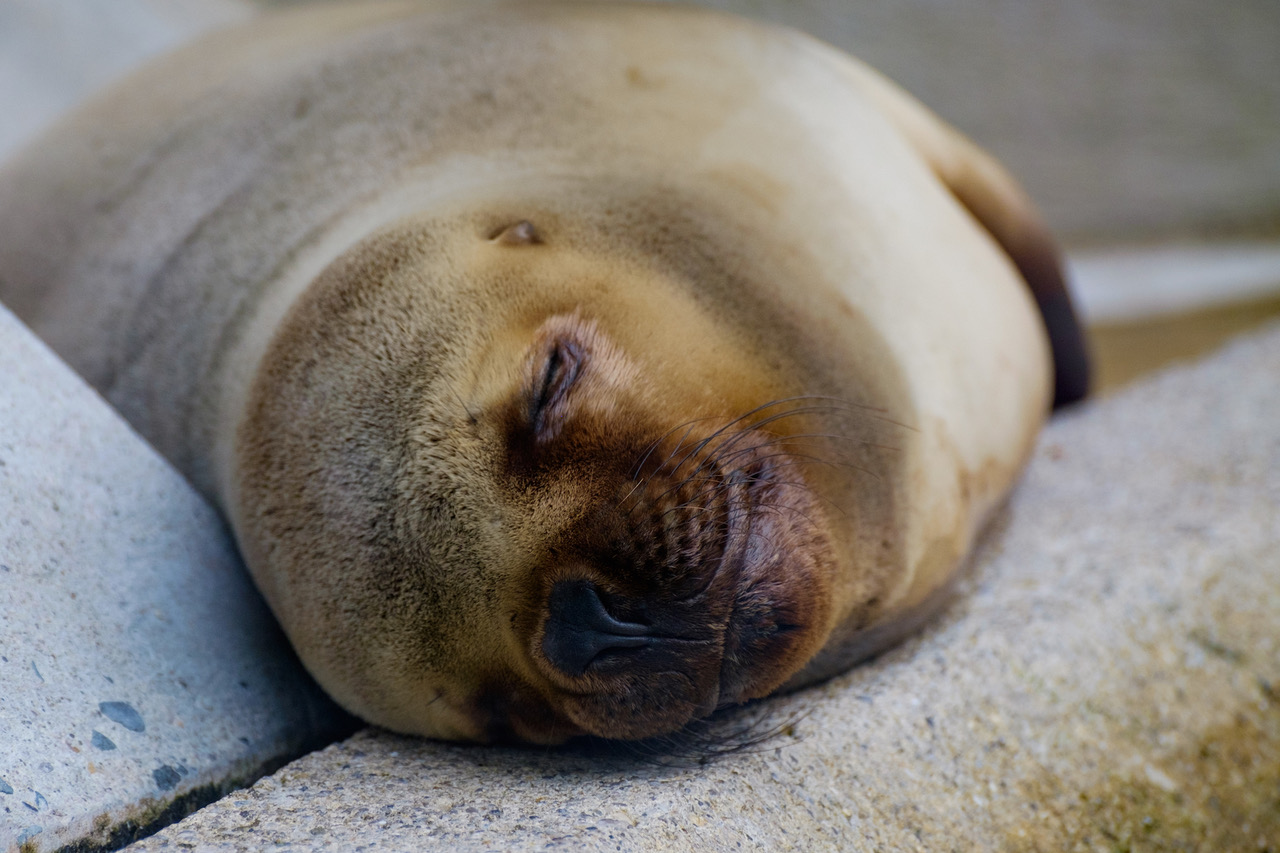
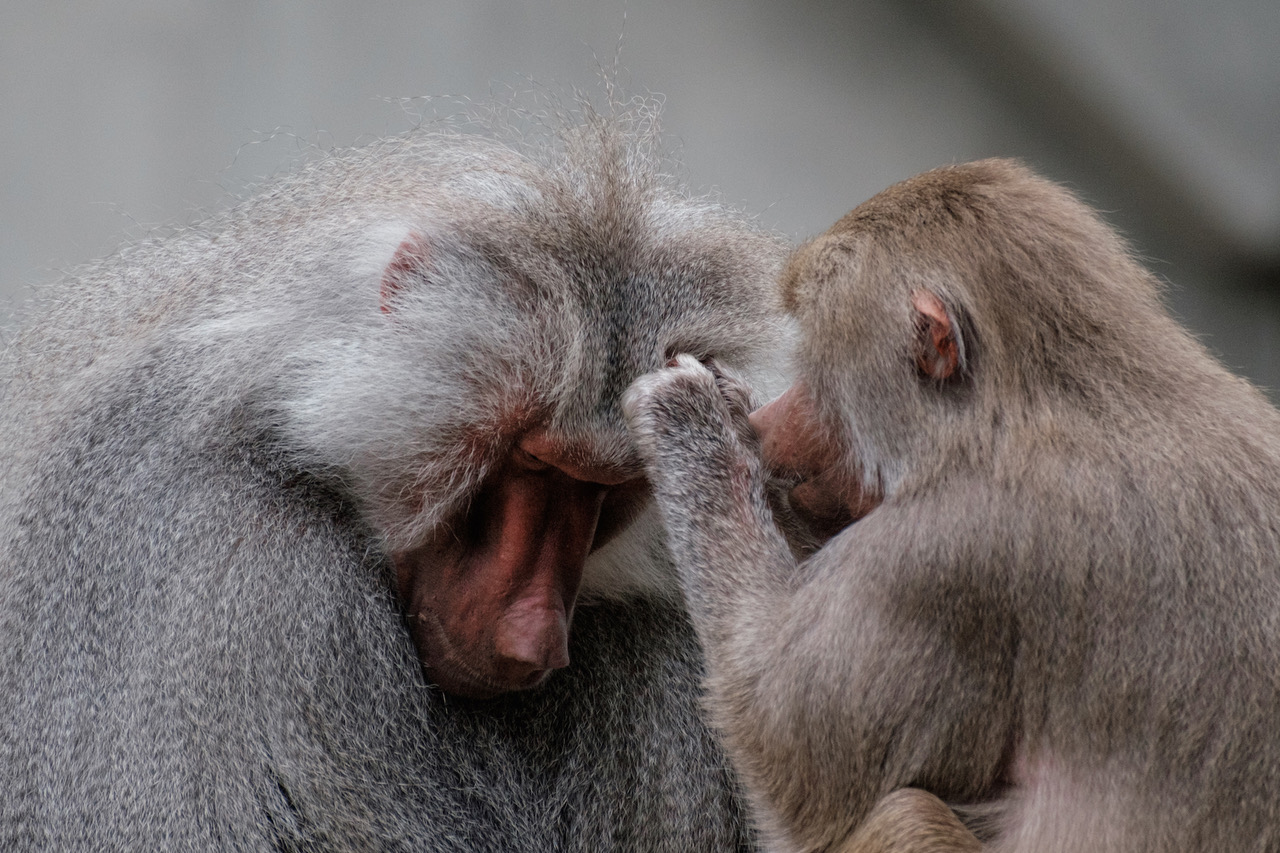
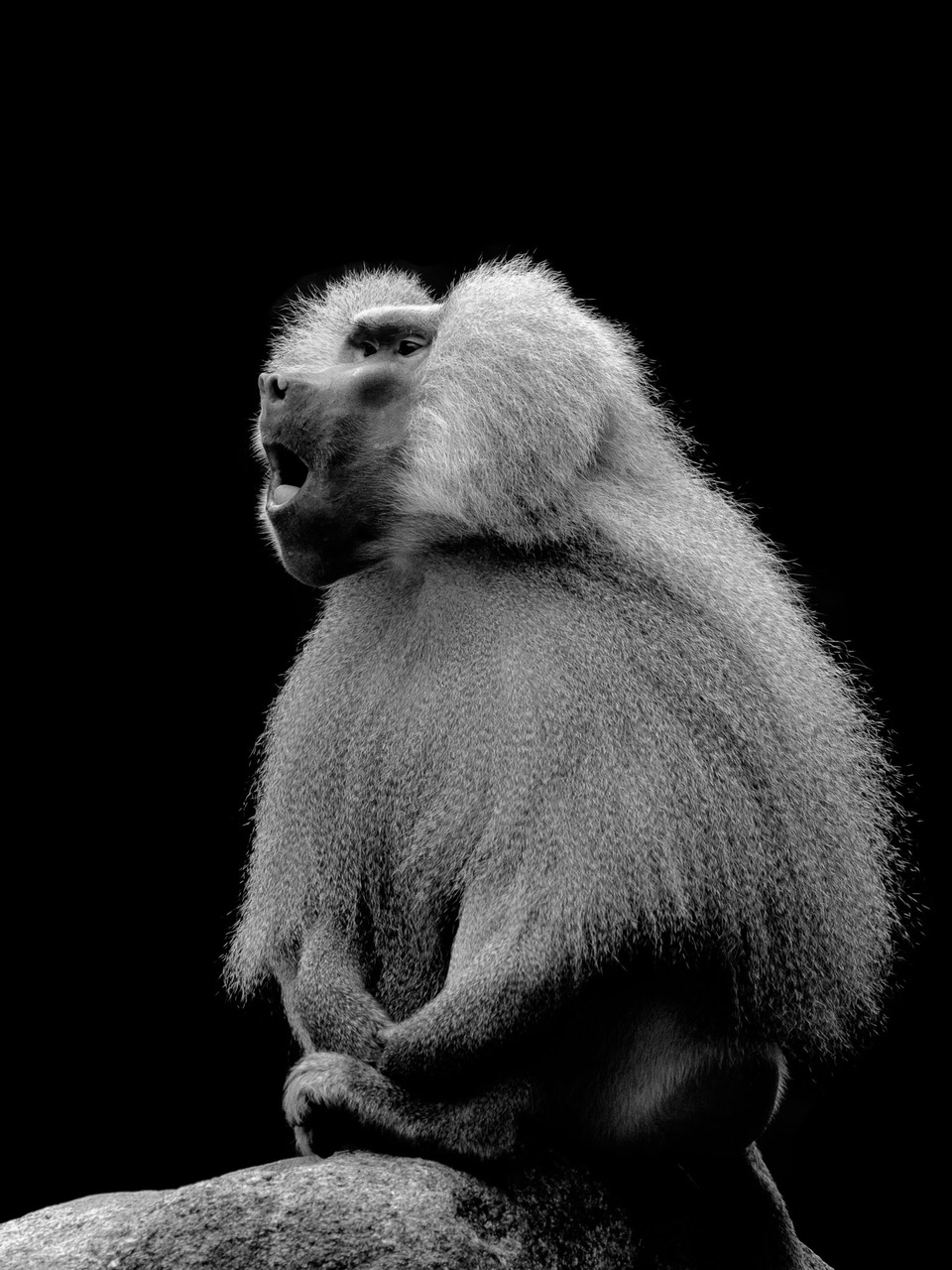
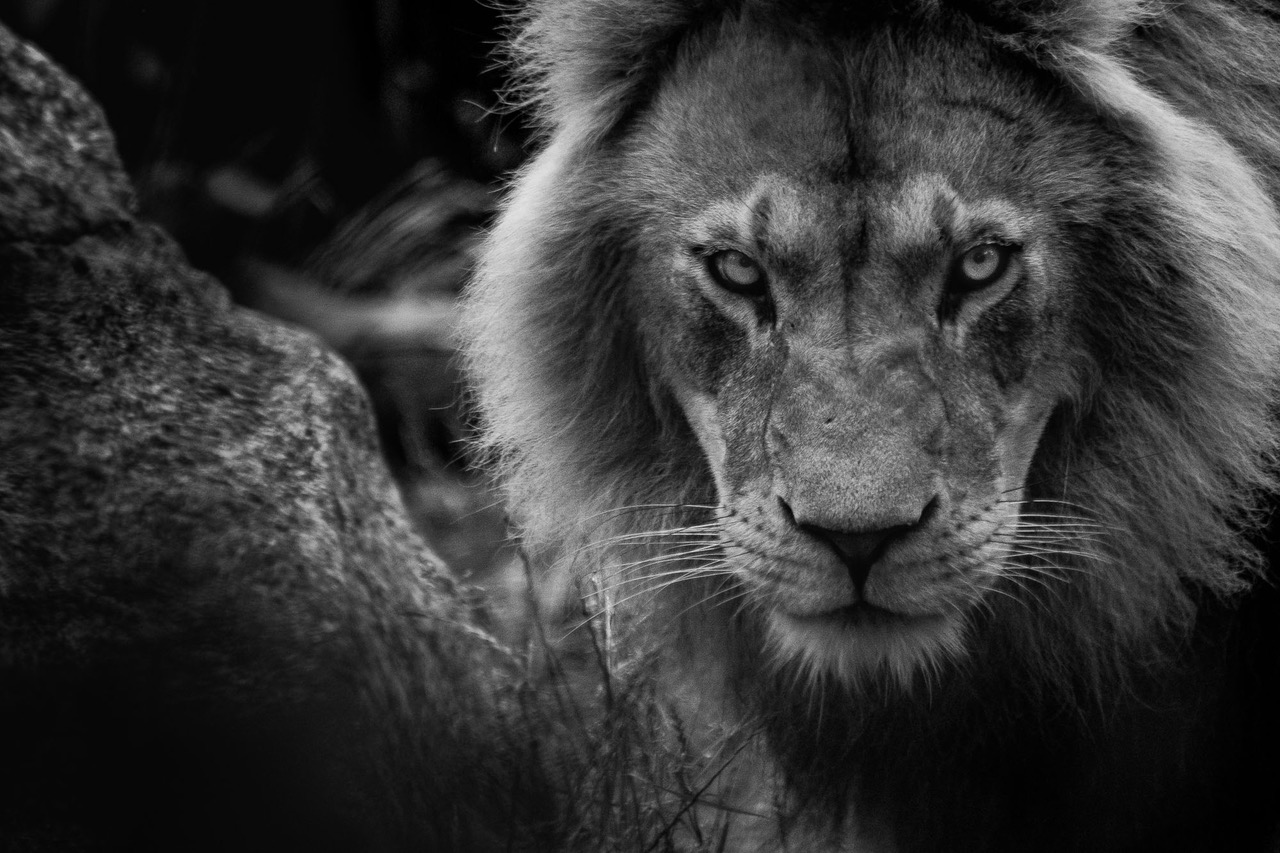
Hey guys, I thought I'd share with you a few pictures I did with the excellent Nikon AF-S 70-300mm f/4.5-5.6 VR lens, mounted on my X-T1 with an adapter ring from K&F Concept. I went to Munich's beautiful zoo, Hellabrunn, to test this setup. That poor zoom lens is a survivor of the great Nikon purge that I did 2 years ago, when switching to Fujifilm... It slept in a cabinet ever since, and I rediscovered it by mistake, and decided to give it a try as I don't have any zoom for my X-T1. The lens is quite big and heavy on the X-T1, and for those like me who abandoned their DSLR for the weight, it feels quite weird at the beginning! Of course, everything becomes manual, so no autofocus and unfortunately, no vibration reduction... This is where IBIS would prove useful! Overall, I'm quite pleased with the results. The lens is sharp and I didn't notice any aberration or such. However, focusing is quite challenging, despite the very good manual focus mode on the X-T1. At the zoo, you want pictures of animals which can be quite far away, with a nice bokeh to isolate them from their background -- which can be made of fences or electric wires... And at 300mm and f/5.6, without autofocus, well, it's challenging to get sharp pictures! The monopod I took with me was essential to be stable. Here are the pictures, hope you like them! Konzy
-
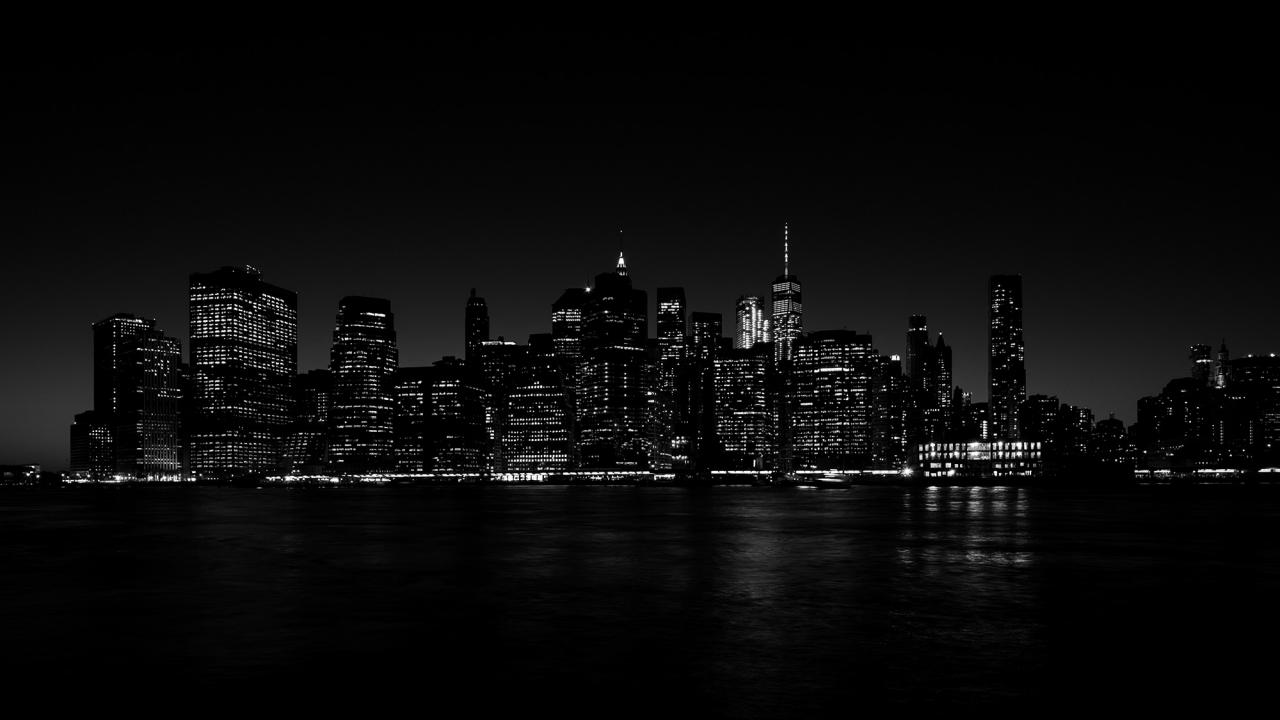
I finally visited New York, with my trusty Fujis as travel companions !
-
Hello DashingElegance, I agree with what spilla said above. If your main concerns are (1) travelling light and (2) being in low light situation, here is my advice: - 18mm f/2: good image quality, great for landscapes, and not bad for environmental portraits/street (though some might find it a little too wide). - 23mm f/2: my favourite focal length, good for most landscapes (but sometimes too narrow), great for street photography and environmental portraits. I use this focal length and aperture on my X100T, and I'm happy in most of the situations. - 35mm f/2: great image quality, very sharp, very fast autofocus, great for portraits and street, generally not so good for landscapes due to the narrow focal length (unless you need a detail shot) - 35mm f/1.4: it's a bit more expansive and has a slower autofocus than the f/2 version, but the image quality is great. All lenses are fast (f/2, f/1.4), small and light, some are weather sealed (23, 35 f/2) (but it's half-useful since the X-T10 isn't weather sealed). If price is also a criteria, you can find the 18mm and 35mm easily on the 2nd hand market. The 23mm is more recent, so more difficult to find. I wouldn't go with the 27mm: even though it's a nice lens, it's speed won't be much of an improvement (f2.8). So to me, the only question is the focal length: what will you photograph? - Mostly landscapes: 18mm f/2 - Mostly street: 23mm, 18mm, 35mm (actually everyone has his own preference, but a majority of people prefer the 23mm) - Mostly portraits: 35mm, 23mm - A bit of everything: 23mm or 18mm Hope this helps! Konzy
-
Fuji 18-135mm f/3.5-5.6 or the 16-55mm f/2.8 for Travel?
konzy replied to KMLNewYork's topic in Fuji X Lenses
Hi KMLNewYork, I only own the 18-135, which I took recently for a trip to New York (as well as 35/2, 14/2.8 and an X100T). I haven't used it a lot, most of my pictures being street (X100T), landscapes (14mm), but I was happy to have it for detailed shots of skyscrapers or catching the cute squirrels in Central Park. Here is my opinion about this lens: - good IQ (if pixel peeping is important to you, of course there are better lenses) - it's the most versatile lens from Fuji yet: from wide angle to tele, you cover pretty much everything - image stabilization is truly awesome: I shot photos of the skyline and Statue of Liberty from a moving boat, in an uncomfortable position where I held the camera over a bunch of people, and it really helped getting sharp pictures. I was really impressed. - weather sealed, so depending on where you travel, it can be helpful - sits between the 18-55 and the 16-55 in terms of weight, size and price. It's definitely not light, especially as a "just in case" lens. Bottom line: yes, it's not very fast, it's a bit bulky and heavy, the IQ is not perfect. But it gives you a great versatility. If I could have only one camera and lens for the rest of my life, it would be the X100T. But if I had to chose a camera with an interchangeable lens, that would be the 18-135, definitely! Here are a few unprocessed JPEG from my recent trip, at several focal lengths: https://dropbox.konzy.me Also, there is an interesting comparison of the lenses you mentioned, as well as the 18-55: https://www.fujivsfuji.com/16-55mm-f2pt8-vs-18-55mm-f2pt8-4-vs-18-135mm-f3pt5-5pt6/ Hope this helps! Konzy -
Hey Milandro, Yes I know Lonelyspeck's website, it's great! Lots of resources, tests and tutorials to dive into astrophotography. Definitely recommended! But my question was not really on Milky Way photography, which I already did and is fairly easy, but more on distant objects, like nebulae, galaxies or even planets. Thanks! Konzy
-
Hey guys, I was wondering if anyone is using his Fuji camera for photographing deep-sky objects, like galaxies, nebulae or even planets? I haven't found yet any Fujist in the DSO world, well dominated by Canon and Nikon! If yes, what kind of gear are you using (lenses, mounts, telescopes)? What would you (not) recommend? I am currently considering buying an equatorial mount (possibly iOptron SkyTracker Pro) to use with my X-T1 and an adapted Nikon 70-300 lens. I'm not sure about the IQ this combination, but I made a few tests in daylight and it seemed okay. It's also a rather lightweight and cheaper alternative to buying a telescope set... Thanks for your feedbacks! Konzy
-
Dobro dojdovte! Macedonia is one of my favourite place on Earth, so many good memories and awesome people there. Looking forward to seeing more from you!
-
Hello! I'm Konzy, a 28 years old french dude living in Munich, Germany. I discovered photography 6 years ago, like many of us with an entry level DSLR. It became a passion as I was studying in Finland. I had the opportunity to explore the beautiful cities and landscapes of Scandinavia, Russia and the Baltic countries! As my passion grew, I also got more confident and my photographic style evolved quite a lot in the past few years: less landscapes, but more people and more street stuff. Two years ago, quickly after switching to the full frame world, I bought a used X100 that I planned to use as a second body... But totally fell in love with it! Soon after, I guess like many of us here, I sold all my DSLR equipment and bought an X-T1 with a couple lenses. I'm so happy I did it, as the mirrorless cameras are much lighter than DSLR. And less weight means more pictures! My only disappointment is that I can't do macro photography as I used to. I really miss my Nikon 105mm, especially after switching to FF, which has no equivalent (yet) in the Fuji world. My best photographs were done with this lens, and I'm a bit frustrated not to be able to do it with Fuji. I can't wait to see the next macro lens by Fuji! In the meantime, I found myself more and more interested in street photography. It's something at which I'm still new, but I really love it! I believe that almost everything has already been photographed on Earth... It's now a matter of "how" rather than "what" you will photograph. But I found out that street photography is always new, it's always telling a new story, with a new angle and new actors. And this is what I love about it! Oh well, sorry for the long post! Happy to be there anyway, and looking forward to seeing your work! Cheers, Konzy
-
Some little dude staring at my camera as I was having diner in a restaurant Munich - X100T
-
Impressive pics! Must have been a terrifying moment...
-
HendrikOsula, I really like your post-processing of these couple shots of London! What settings did you use? Here is a shot taken in Munich with my X100T!
-
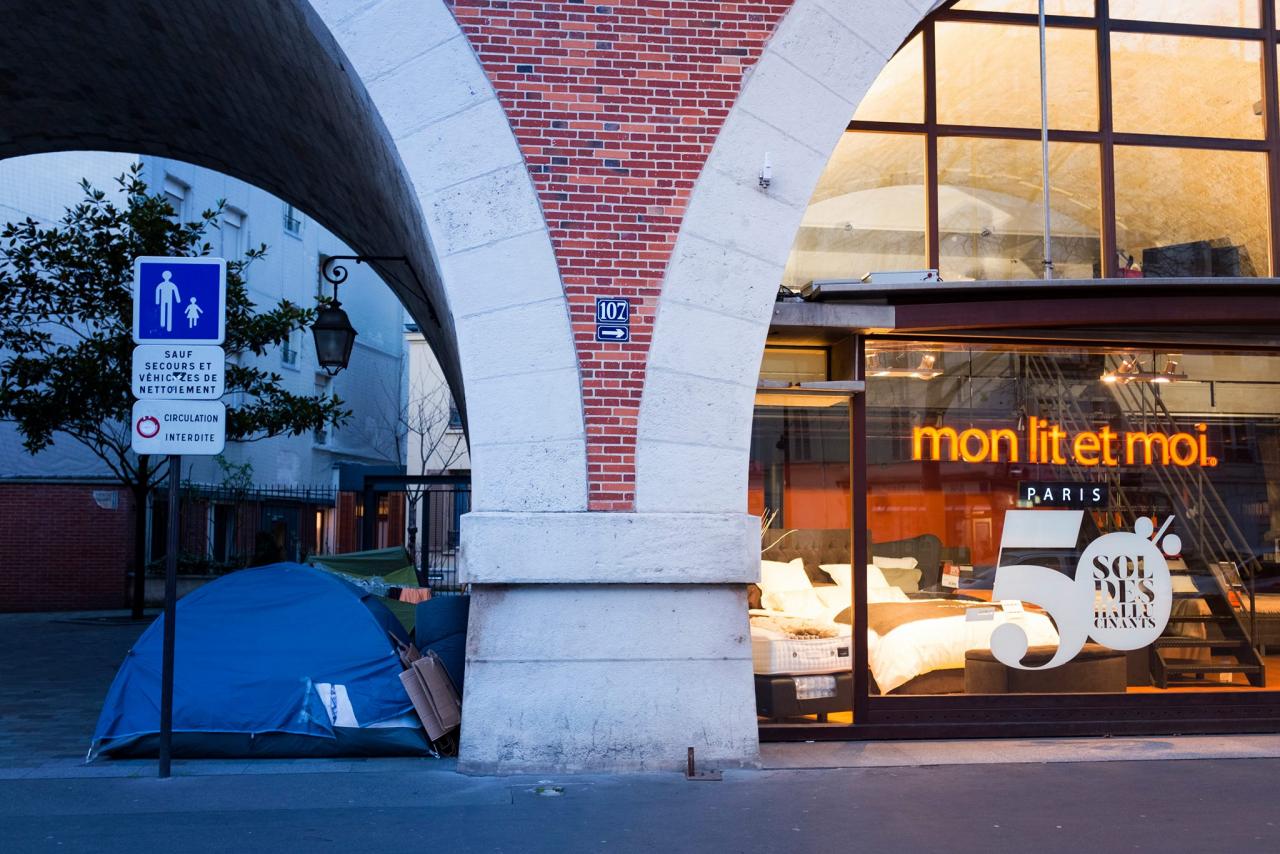
Thanks Here is another one that I love. I came across this scene after a rather mediocre photo walk (no inspiration and empty photographs). I love everything in this photo: the left side, cold and sad; the right side, warm and comfortable; the pillar, separating both worlds, like they were ignoring each other; the little arrow inviting us to look on the right side; the sad irony that the guys living in these tents can't even afford a bed at -50% ("hallucinating sale", says the window...). So much contrast! This is what I like and discovered in street photography: you're telling a story, showing details that nobody wants to see!
-
Hey there! I'm new to street photography, which I discovered a few month ago when I bought a used X100. I really like it now, it forces you to move out of your comfort zone, but the reward is worth it! I will post a few shots I've been doing recently. Hope you enjoy! Konzy X100T f/3.6 1/640s Paris