Leaderboard


Popular Content
Showing content with the highest reputation on 05/11/2023 in all areas
-
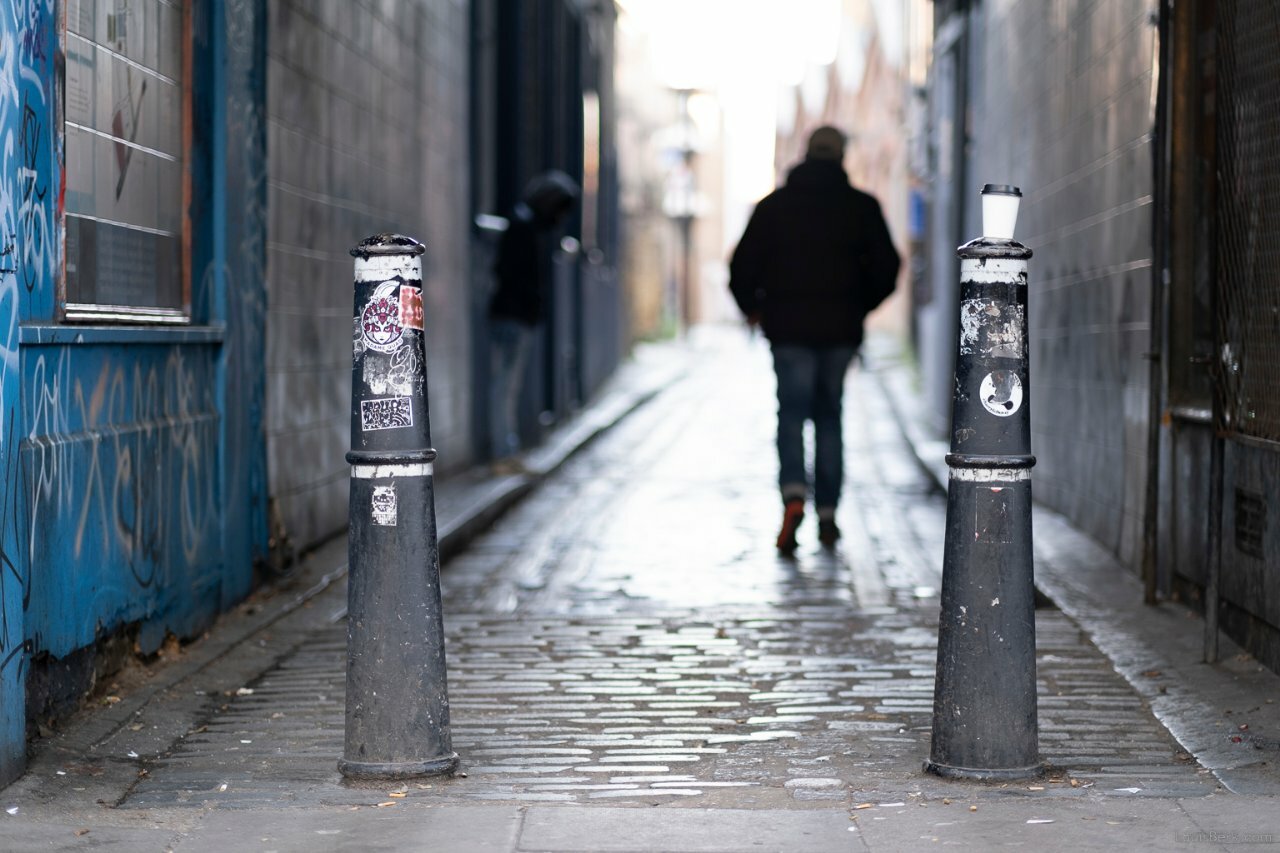
Looking at your photography you don't need another lens to create good photographs. However, we all like to experiment with lenses and I'd recommend you choose something unusual for your style and just enjoy using it. The good news here in the UK is that there are several good second hand sources of lenses so the cost of experimentation is not that great (you can always, send back, resell etc for no/very little difference in purchase price). For example, I am blessed with acquiring and owning a lot of Fuji glass over the years. But I never had the 56mmf1.2 and although I didn't need it I bought one (from eBay this time) just to 'play' with. I like walking around and with only this lens and then finding ways to create interesting compositions. So, my advice is to do that. Buy something you don't necessarily need but would enhance the pure enjoyment of photography. Just my two cents. LouisB X-T4, XF 56f1.2, f1.2, iso250 1/200 56mm
 1 point
 -

How has your photography evolved since you started shooting
caliwinter reacted to Astigmatism for a topic
Welcome to the forum! I've been thinking about this exact question lately. I did a LOT of amateur photography in about 1978-1985, including my own darkroom with some simple color processes. Much of my attention was on how to do the wet chemistry and using the enlarger. Polycontrast paper, which involved purple and yellow filters on the enlarger, was new, and I tried a lot with that, including burning and dodging with different filters to do local increase or decrease of the contrast. For a while I was on a sepia toning kick. On the camera side of things, I liked macrophotography including a bellows and special bellows lenses, and I worked pretty hard to make depth of field work. Generally I tried to practice better focusing technique, and had about 4 or 5 different focusing screens. I tried to practice better holding technique, too, using tips from archery to control my breath and get less blurry pictures when struggling with long shutter times. I got into Fuji X cameras within the last couple years. This was my introduction to digital cameras with interchangeable lenses. What evolved the most was that all the wet chemistry went away, including a lot of work that had nothing to do with controlling the images I made. Do I need to improve my temperature control? How fresh are all my batches of chemicals and how fresh do they need to be? Do I need to add a fan because the fumes are bothering me? Can I make a homemade vacuum easel to keep the paper from curling under the enlarger? Can I load some more cartridges today or is it so hot I will sweat inside the changing bag and ruin them all? ALL of that stuff just went away. Lots more evolved. Autofocus mostly made focusing technique go away, or reduced it to thinking about what part of the image I wanted sharp. Rather than having to decide whether to accept the grain of Tri-X or the speed of Pan-X or compromise on Plus-X, and having to stick with that for the whole session, I get sensitivity that is somewhere between better and way way better. Handheld shots can be so much slower now without shake. And the lenses are faster -- I used to have one lens that went to f/1.4, and now I have several that can do that, and one that incredibly goes to f/1.0. Not only that, I can do focus stacking now, and get what used to be flat out impossible shots. Long story short, mostly, the hard stuff went away, or at least got several stops better. I guess the downside is that now I struggle sometimes with software, installations that don't go right, needing to track updates, and camera instructions that are 10 or 100 times more complex. Before automatic exposure and other microprocessor driven stuff came along, there just weren't that many details. My favorite camera, the Canon F-1, did have a battery for the light meter, but other than the meter not functioning it was the same user experience if I left the battery out. Sunny 16 and I was good to go.1 point -
Here you go. You can click on the photo details icon to see the exif. https://edwardpalisoc.smugmug.com/Motorsports/Sebring-2023/1 point
-

Recommended Adapted Lenses
buellwinkle reacted to Izak for a topic
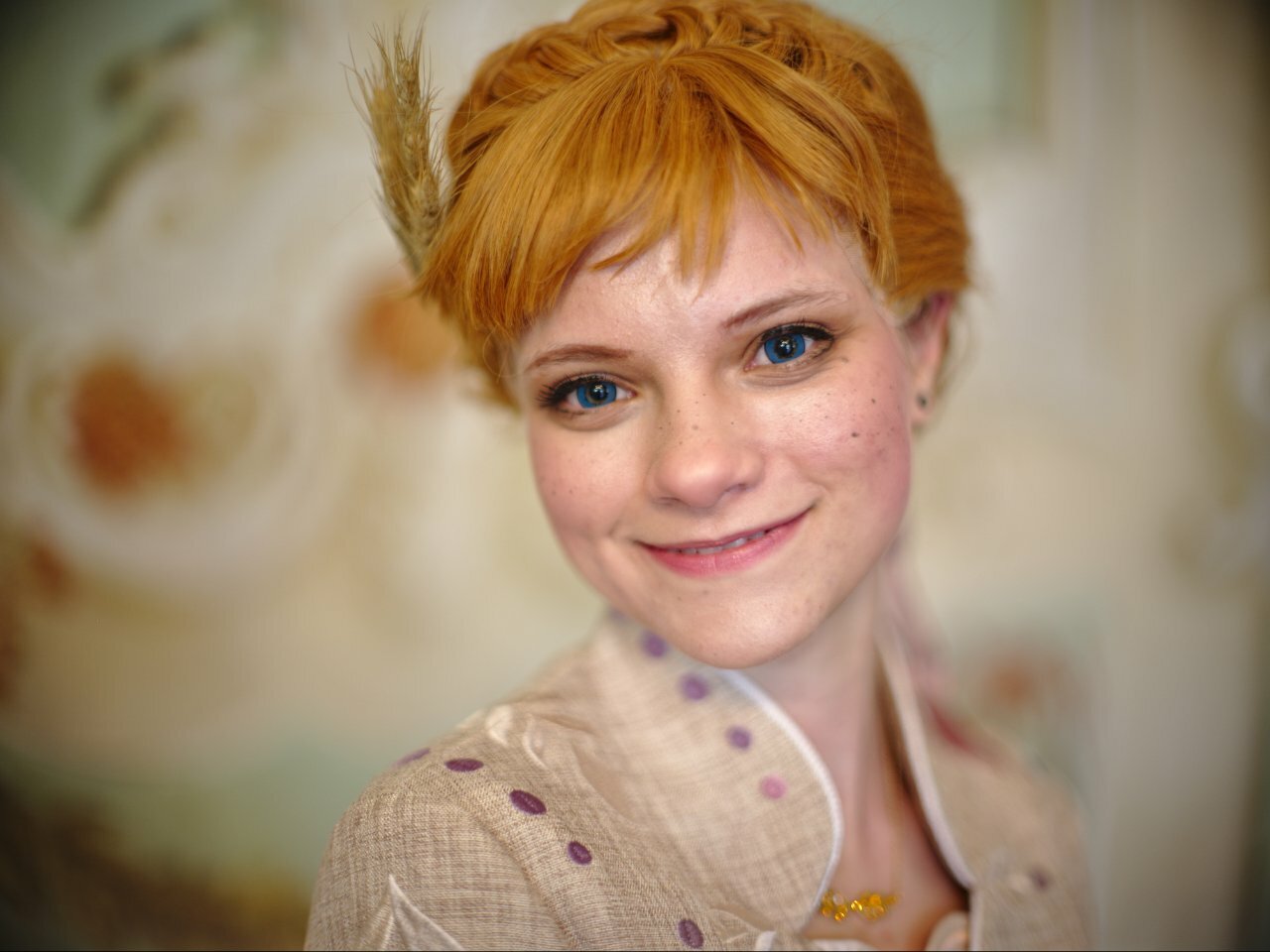
Minolta 58/1.2 - adapter K&F concept MD-GFX - GFX50R full open
1 point