Leaderboard

Popular Content
Showing content with the highest reputation on 03/05/2024 in Posts
-
Astro-photography (open thread)
George_P reacted to MARRIEDGUY9 for a topic
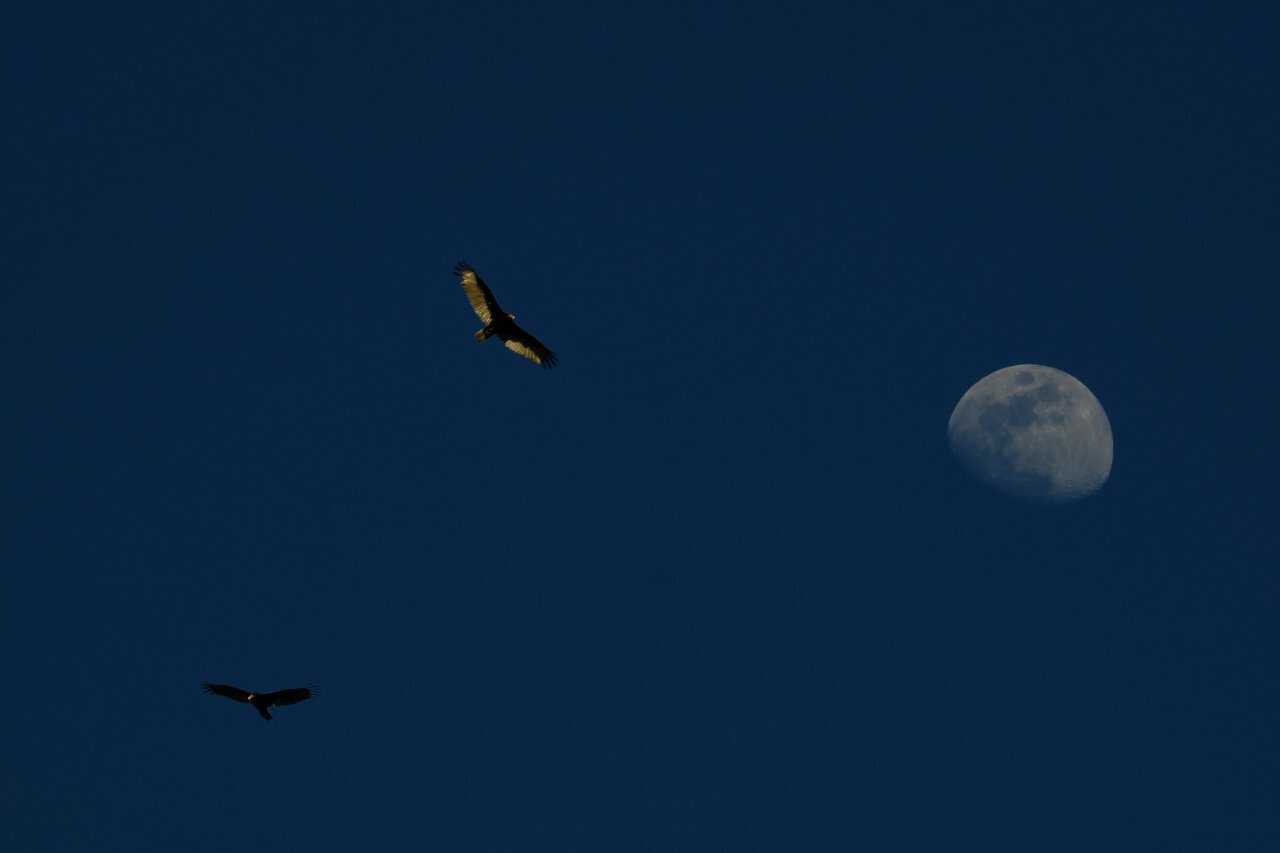
Photo I took right before above, less cropped. 1 point
 -
Astro-photography (open thread)
George_P reacted to MARRIEDGUY9 for a topic
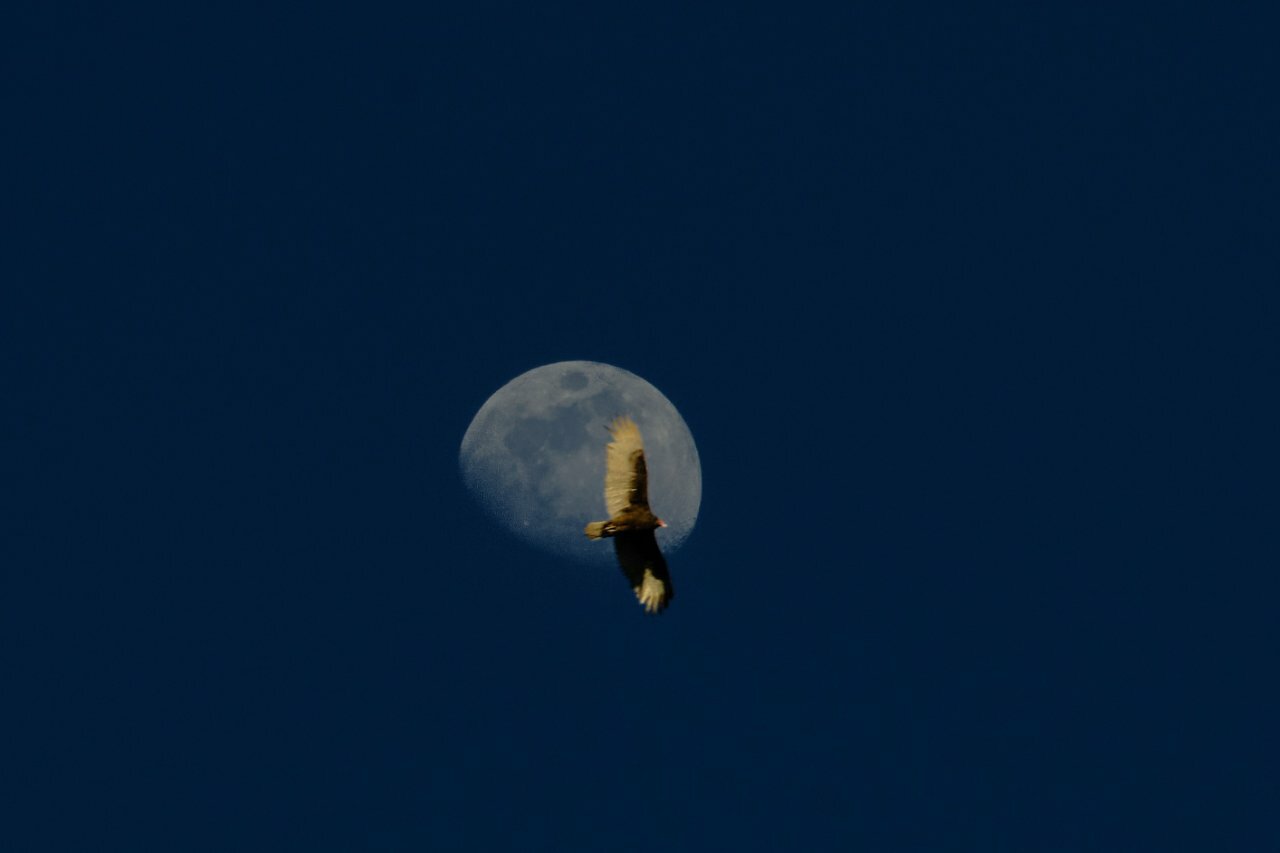
Cropped a lot, just trying to get a vulture in the same frame as the moon. Looks weird, but it was fun trying to get the shot......70-300 XT-5.
1 point -
Astro-photography (open thread)
jerryy reacted to MARRIEDGUY9 for a topic
nice work!1 point -
I own all the small primes, love to take them out when I want to travel light and use primes. I bought the 30mm to put it in my bag instead of the 35mm f2. Perfect image quality, great focal length, just in between the 27mm and the 35mm. Use it a lot for images of flowers, small items to show detail, and also documentary work. Certainly not the lens for insects, yet great for all other purposes, and sharp and crisp. My walking around lens is the 23mm, if wider I use the 16mm and if portraits are asked for its the 50mm f2. And for close ups and standard viewing angle its the 30mm. Much more in use than the 35mm, works for me as I expected when I bought it.1 point
-

Invisible live view in mode M
Darkroom Dude reacted to jerryy for a topic
What @abmet said, more information please! Try this, set the ISO to 6400, the shutter speed to 1/250, and put the lens’ aperture switch to A. Go outside during the brightest time, around midday or early afternoon and see what you get. The f-stop should be a large number, the lcd should show you the scene. It could be a little dark. Then try moving the aperture switch back, set the f-stop to wide open and try again. The image on the lcd should be brighter. There is a setting to dim the displays’ brightness, https://fujifilm-dsc.com/en/manual/x-t5/menu_setup/screen_set-up/ that may be affecting what you are (not) seeing.1 point -

Invisible live view in mode M
Darkroom Dude reacted to abmet for a topic
What aperture, shutter speed, and iso set too? Is it possible there isn’t enough light?1 point -
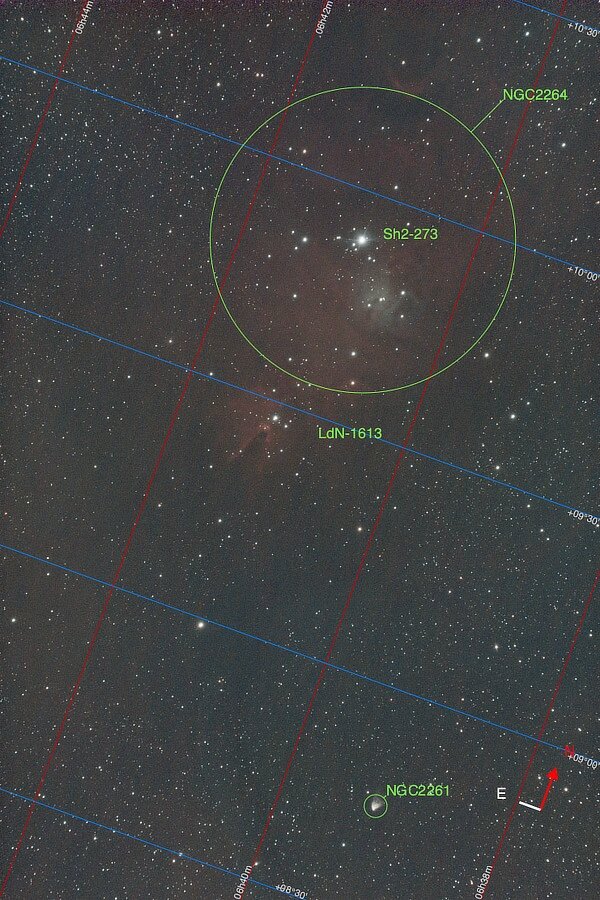
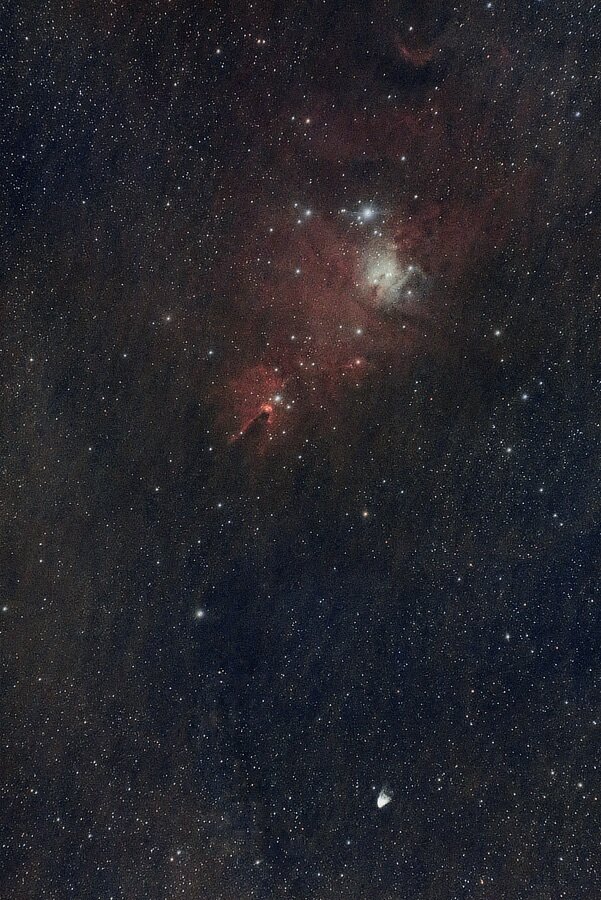
Orion has plenty of interesting parts to see; nebulas, bright glowing stars and whatnot. Orion is not the only neat thing in that part of the sky, the Rosette Nebula is close by and it is certainly neat to see. But there is also a Cone, a Christmas tree and a little variable thing as well. This is the equivalent of 112 minutes and lots of change worth of exposure. NGC 2261, Hubble’s Variable Nebula is named after astronomer Edwin Hubble, who also has the big space telescope named after him: https://hubblesite.org/contents/media/images/1999/35/904-Image.html The Cone Nebula, NGC 2264, is actually much larger than the part seen above, the part in the images is what gives it its name: https://www.constellation-guide.com/cone-nebula/ NASA had some fun with the Christmas Tree Cluster (The batch of stars in the “lower” part of the Cone Nebula), they rotated the image upside down — or right side up if you view it in the land down under — x-ray colored the nebula green and animated the Cluster’s stars. They have a player on their page: https://www.nasa.gov/image-article/telescopes-illuminate-christmas-tree-cluster/
1 point