

konzy
-
Posts
65 -
Joined
-
Last visited
-
Days Won
1
Content Type
Forums
Gallery
Store
Everything posted by konzy
-
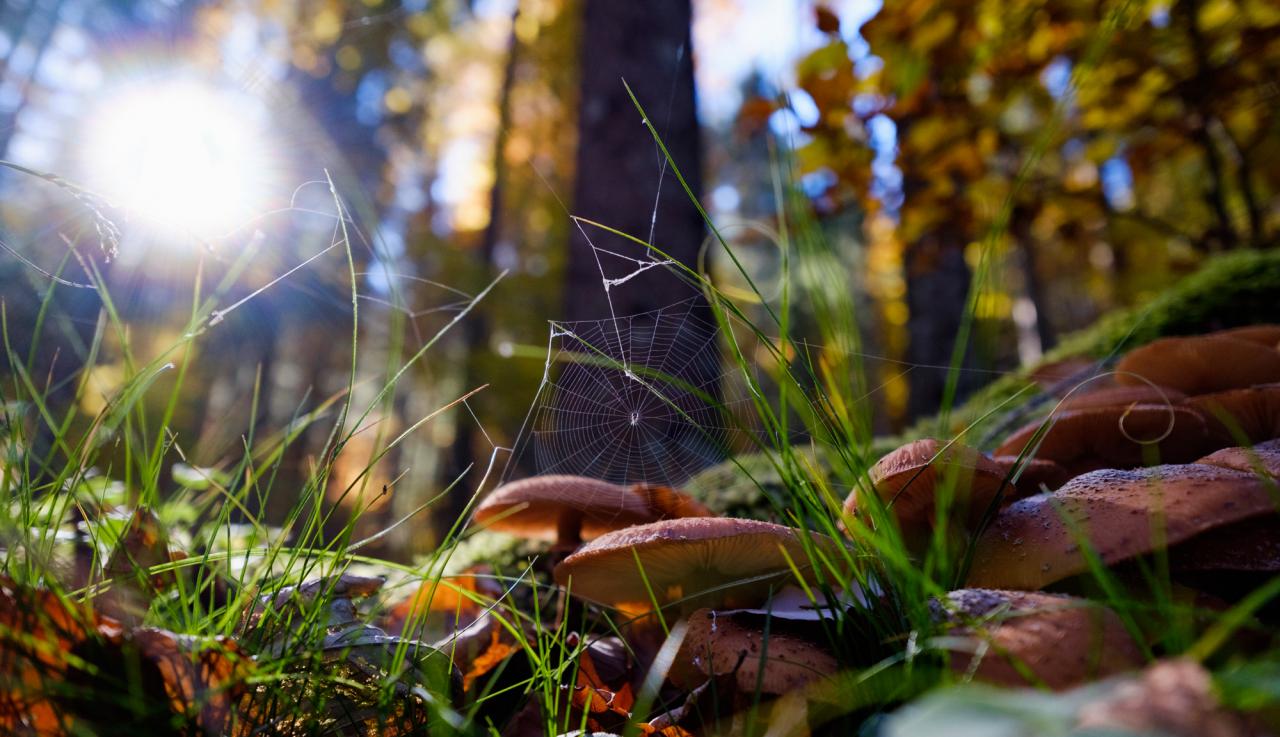
Taken near Eibsee Lake, in the German Alps X-T1 and 14mm at f/2.8

-
No, it's physically impossible. A teleconverter will protrude inside the lens, which means that there must be enough room between the teleconverter front element and the lens rear element: The only lenses by Fujifilm that are compatible with a teleconverter are the 100-400mm, the 50-140mm and the 80mm macro. The 55-200, sadly, isn't. Some third party lenses might also be compatible, like the Samyang 135mm in Fuji X mount. As far as I know, there is no third party teleconverter available for Fuji (yet), and even it there was, they would have more or less the same shape as Fuji's, due to optical constraints. So I doubt they'd be compatible either. Also, mounting a teleconverter reduces the amount of light available. For a 55-200, which isn't a very bright lens, a 2x teleconverter would make the lens hardly useful, due to the smaller aperture. Therefore, it wouldn't be a very wise investment. If you want more reach with your X-T10, and since the 100-400 and 50-140 lenses are not an option, you can try adapting a cheaper lens from another brand. Canon has lots of inexpensive telephoto lenses, as well as Nikon. The only thing is that it won't support autofocus and optical stabilisation (if the lens features it). I adapted a Nikon 70-300 and the quality was great! However, manual focus can be boring... Cf. http://www.fuji-x-forum.com/topic/5487-fuji-x-t1-x-nikon-70-300/
-
Really good article with examples, about MTF charts and microcontrasts: https://photographylife.com/how-to-read-mtf-charts
-
Samyang/Rokinon 135mm f2 > Teleconverter? Extension rings?
konzy replied to konzy's topic in Fuji X Lenses
Oh sorry, the 270/4 was actually referring to the 2x teleconverter. I mentioned the 1.4x as an example, but my question was actually for both and these 2 sentences were not supposed to be linked! Anyway, yeah, I guess it's not a lens that is used a lot out there... Which is pity, it's insanely good! I tried my luck on Sony Alpha forums as well, since the setup is the same. I guess the last resort would be to rent the thing and test it! -
27mm f2.8 pancake lense and what to complement with?
konzy replied to dknolles's topic in Fuji X Lenses
Yeah, what about the 18mm f/2 ? It's small and the quality is decent. For northern lights, you might need something wide, 35 or 50 won't be very comfortable... If you're into landscape photography too, the Samyang 12mm f/2 is an awesome and cheap lens as well. It outperforms all Fuji lenses for astrophotography as well. Otherwise, I agree with the others : the 35mm is a great little lens, but too close to the 27mm. The 50mm is a better option as a complement lens. -
Samyang/Rokinon 135mm f2 > Teleconverter? Extension rings?
konzy replied to konzy's topic in Fuji X Lenses
Anybody? -
Nice one! The 100-400 seems like a very capable lens for astro. Given the circumstances, I guess the result would be very nice under clearer skies. Feel free to share your results if you try it again!
-
My pleasure! I'm pretty sure any Fuji camera can last 5+ years -- if you don't use it intensively like a professional photographer would, of course. But for an amateur usage, there is no issue. Some people still shoot on the X-Pro1, which was released in 2012 I think. Of course, Fuji marketing will try to persuade you that you need more megapixels, better autofocus and better ISO every time they sale a new camera! X-Pro 2 and X-T2 are very similar in terms of functionalities. The main difference lies more in the "shooting experience". For instance, the X-T2 has a tilting screen, while the X-Pro 2 has a fixed screen, which is a great addition in some shooting conditions. You can also add a battery grip to the X-T2. The X-Pro2 has an hybrid viewfinder, while the X-T2 is only electronic. I don't know about your budget, but these 2 cameras are just the best Fuji has to offer, and thus the most expansive (1600-1700 €). Do you really need the best and the latest cameras around? If you don't need the best/latest cameras (which also happen to be the heaviest and most expansive ones), take a look at their little siblings - X-E3 (small X-Pro2) and X-T20 (small X-T2). They are also excellent cameras, offer 90% of what X-T2 and X-Pro2 offer (they share the same sensor, so the image quality should be the same). And they are lighter and cheaper (almost 2 times) than the X-Pro2/X-T2. Judging by the need you describe, it would be the way to go! One thing that they don't offer though, is the weather sealing. But if you don't use it under a heavy rain or in the middle of the desert, you should be fine! I would personally choose the X-T20 to have the tilting screen: it's such a nice feature in a lot of situations! It's a small and light camera, very "flat", perfect for travel. Don't even bother with the FPS either: X-T20 and X-T2 can both do 8 fps with a mechanical shutter (and much higher with the electronic shutter), which is A LOT! Top DSLR like Nikon D850 and Canon 5D Mark 4 can "only" achieve 7 fps, which is already impressive... I assume you don't really shoot sports or similar stuff, demanding a high FPS! You can also go even cheaper with older models, which are great too. I still own a 2014 X-T1 and a second hand X100T, which both have a 16 Mpix sensor. They are awesome cameras and I'll keep them as long as I can. If budget is an issue, the X-T1, X-T10 and X-E2 are great cameras, and can be found easily on the second hand market. To give you an idea, the most expansive one, the X-T1, sells around 550-650€. A bargain! Bottom line: forget the X-T2/X-Pro2, they are awesome cameras which I don't think you really need. Go for cheaper alternatives (X-T20, X-E3 new, or X-T10, X-E2 used), which are 90% as good. Keep your money to buy nice lenses, a nice trip somewhere, a photography training or books from great photographers! I think it's a much better investment, given your need Check this article out, if you need side-by-side comparison. Their conclusion is very lucid: https://mirrorlesscomparison.com/fujifilm-vs-fujifilm/xt2-vs-xt20/#Conclusion Of course, that's just my humble opinion! Konzy
-
X100T has a cool macro mode! Bad news: you need to be very close... Good news: it develops your ninja skills!
-
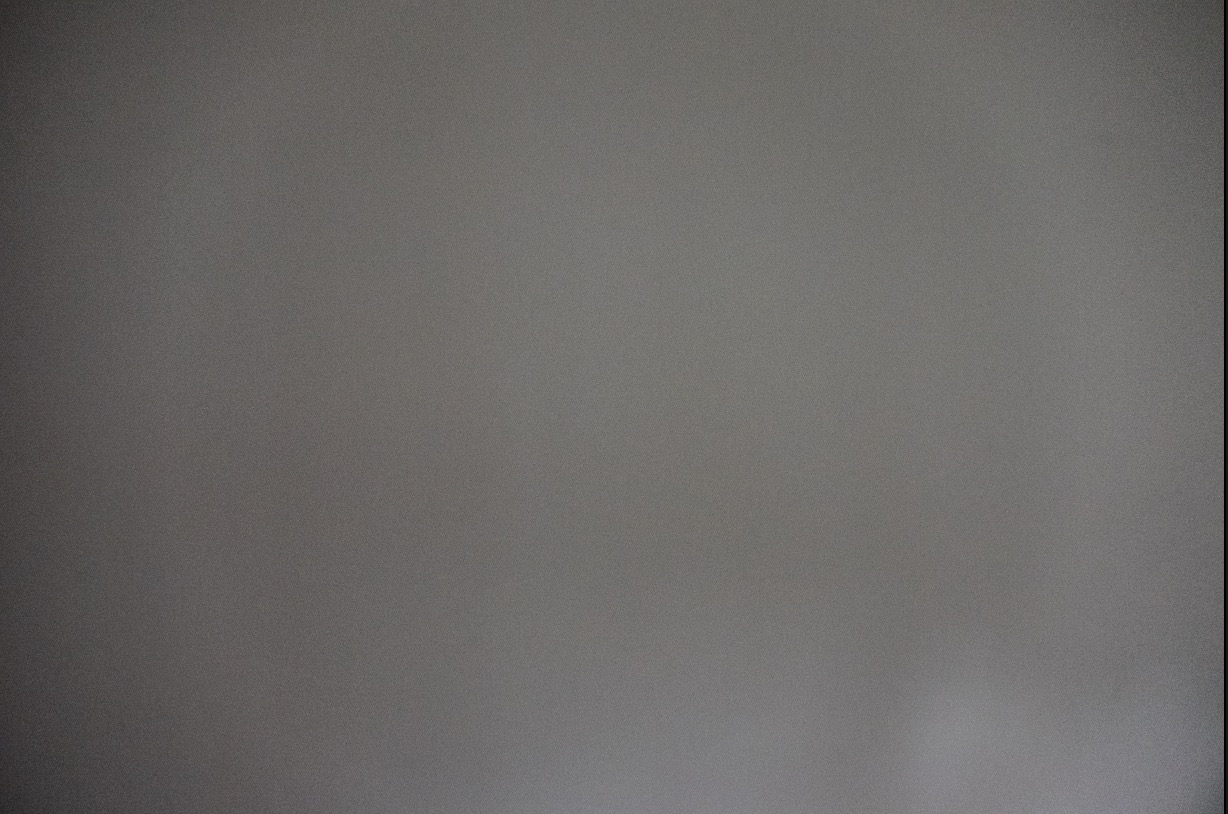
I really don't think a lens hood could create white circles nor prevents them I haven't use any during my test, and the camera wasn't facing any light source, just the wall. It's just a design flaw. Dehaze doesn't add any noise. It might make the existing noise slightly more noticeable, due to the enhanced contrast, but so does changing the curve. Here is an example of a SOOC JPEG, and the same JPEG with dehaze at some extreme value (+100): The noise on the right was already there, and is barely more noticeable. Of course, one could diminish the noise on this picture by using noise reduction, or stacking frames.
-
Monochrome
konzy replied to WaveDancer's topic in Fuji X100VI / X100 / X100S / X100T / X100F / X100V / Fuji X70
Yes, that makes sense for image quality. In astrophotography, best cameras are indeed B&W sensors, probably for the same reasons as Leica stated. I found this comparison of Leica M9 Mono vs Color that shows this effect: http://www.reddotforum.com/content/2012/05/iso-test-leica-m-monochrom-vs-leica-m9/ But down to Earth... I'd never buy a camera that can do only B&W, just to have a better image quality. I don't mind imperfection, and I love colour! -
-
-
-
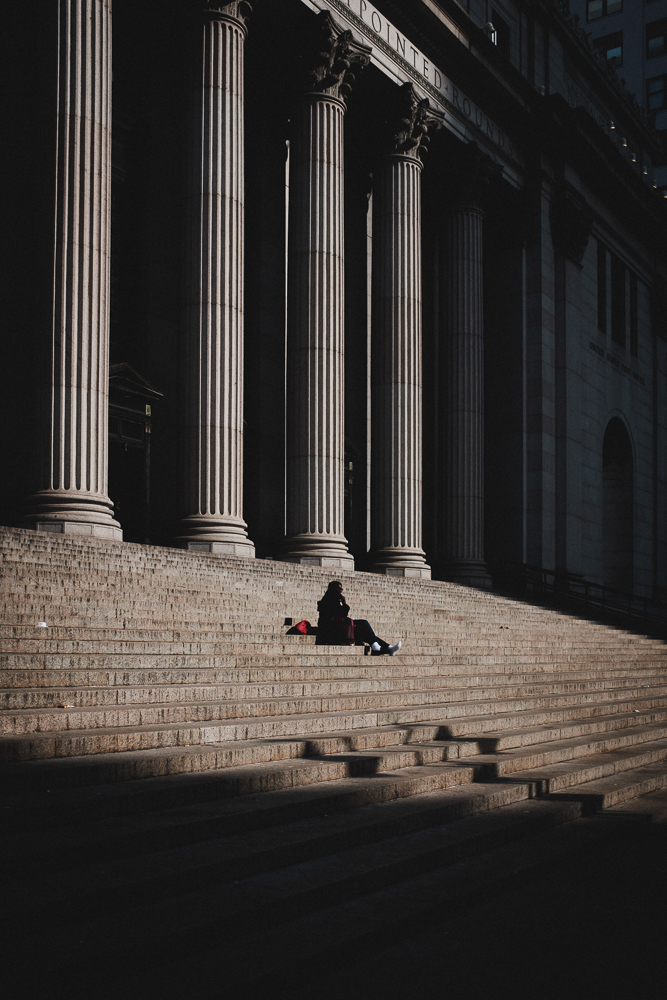
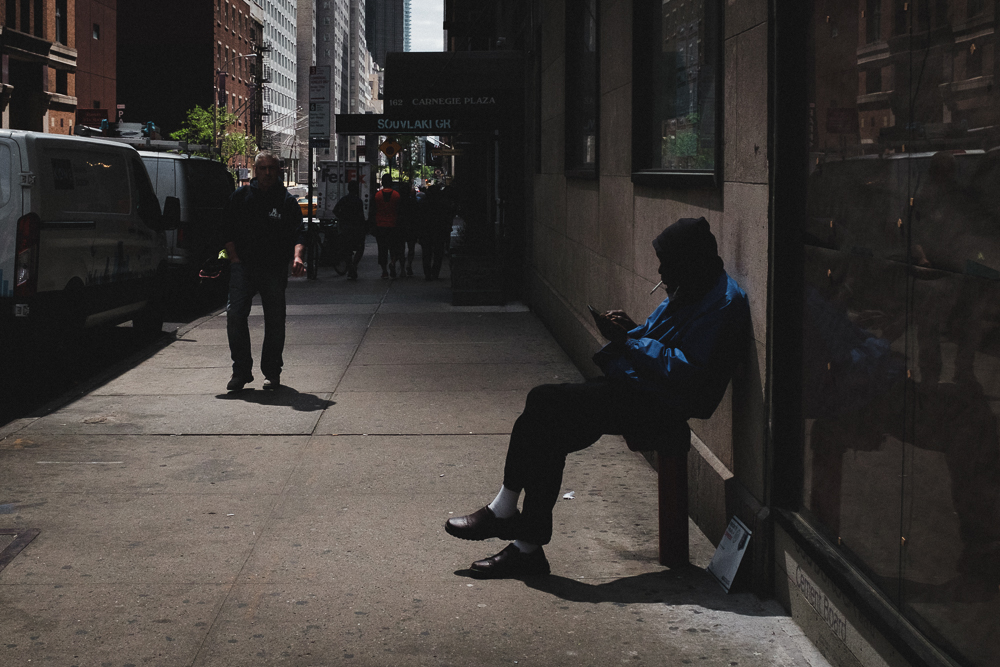
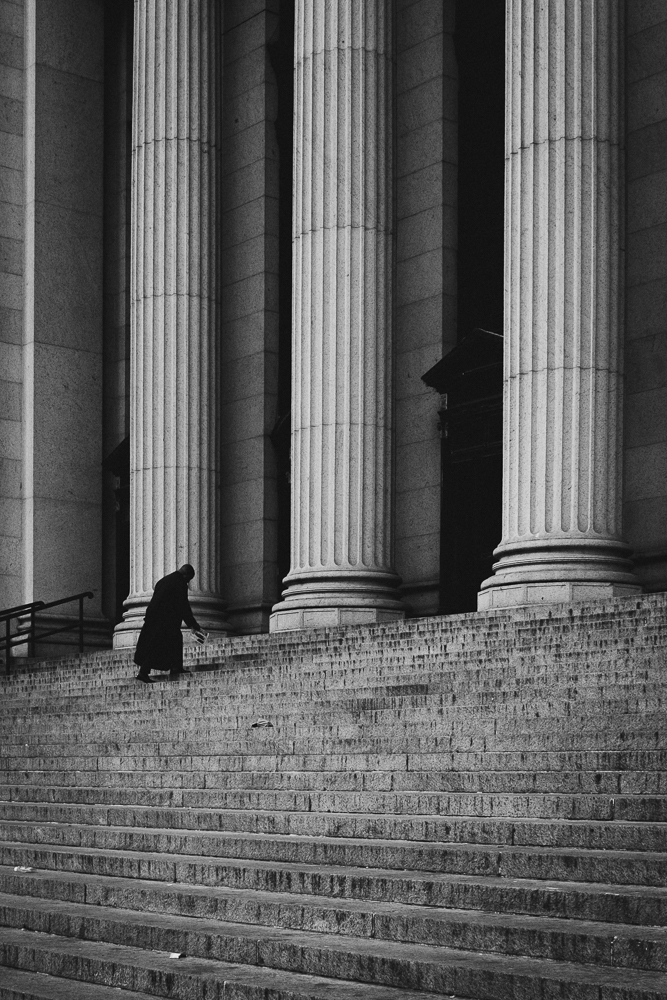
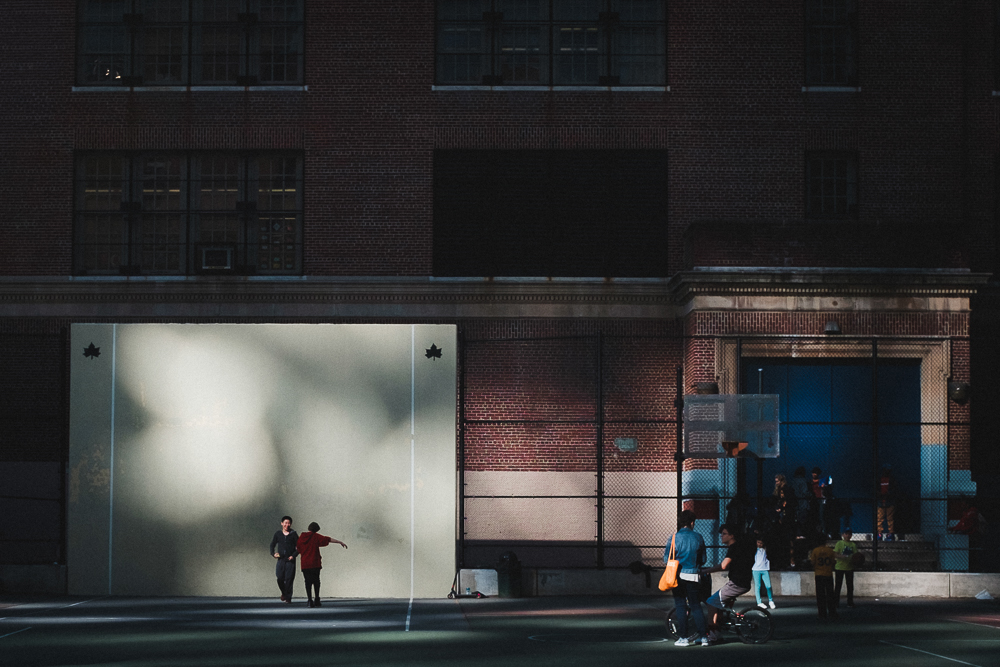
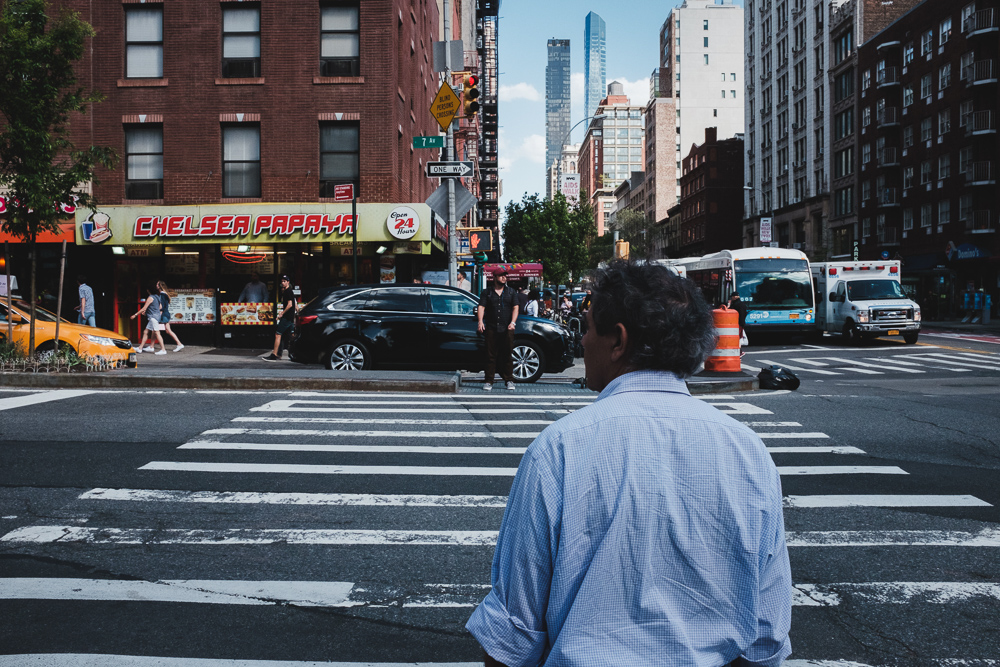
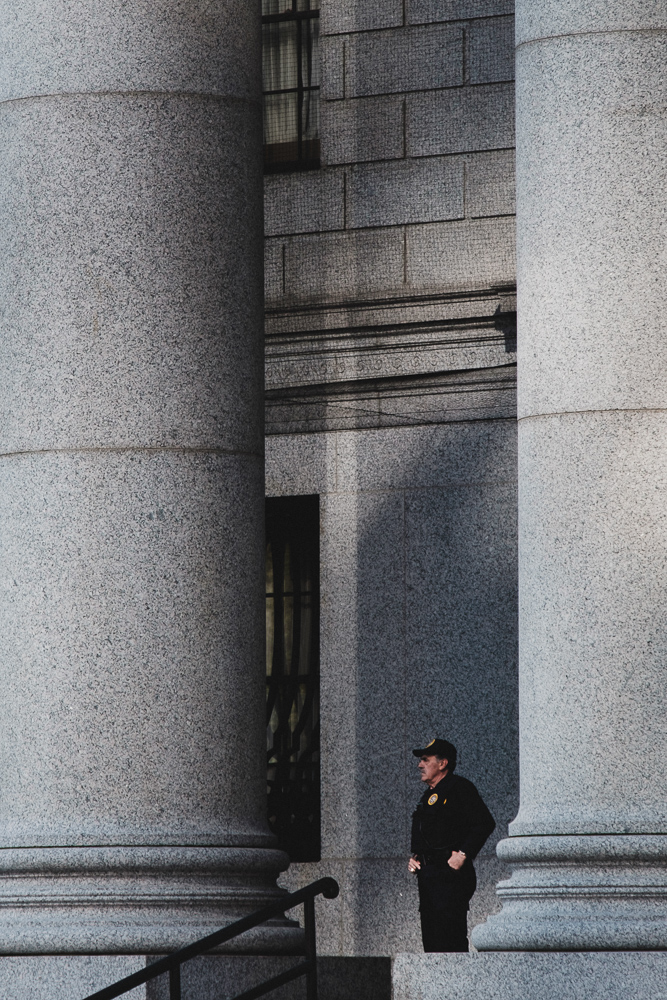
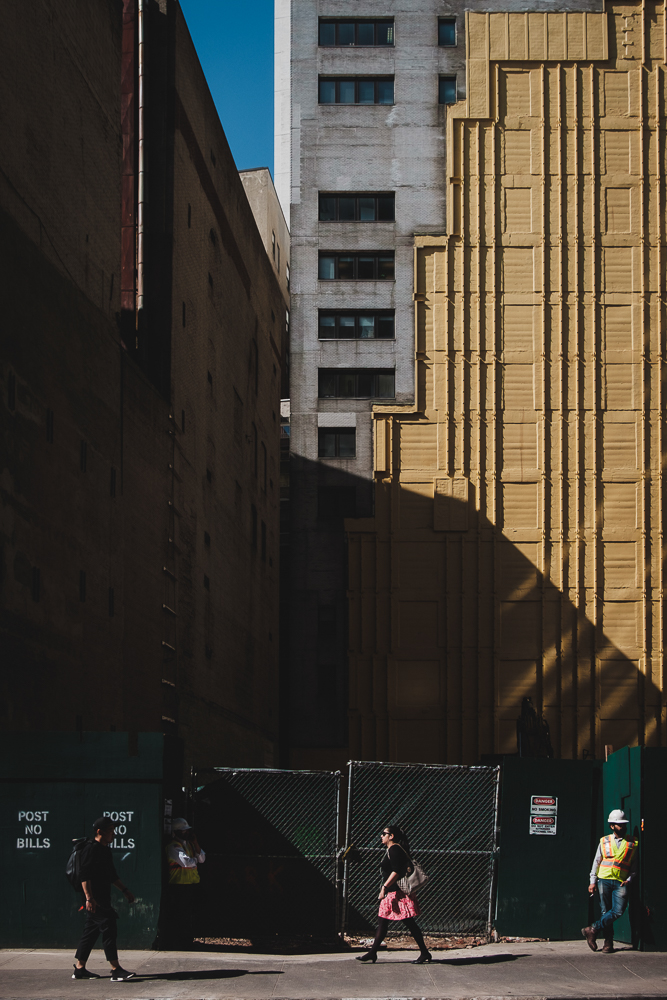
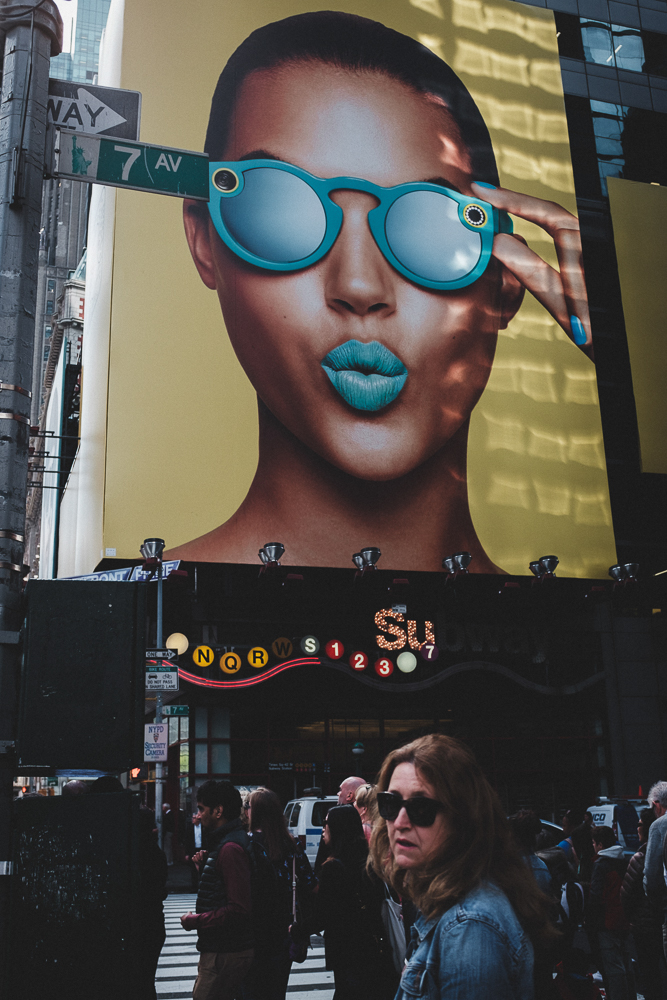
Hey there! I wanted to share with you my pictures of a recent trip to New York. I might have posted some already in other topics, but to be honest, I don't remember which... And I've been reworking everything during the past week, so let's say it's the final version! I value your input, so feel free to comment and criticise! Gear used: - X100T - Perhaps 1 or 2 with the X-T1 and 18-135mm Cheers, Konzy
-
Monochrome
konzy replied to WaveDancer's topic in Fuji X100VI / X100 / X100S / X100T / X100F / X100V / Fuji X70
I think it would be a pretty useless camera and a waste of money. What's the point of a monochrome camera, when you can use film simulations in JPEG and RAW files, or any other variant you might think of by tweaking the settings in RAW? -
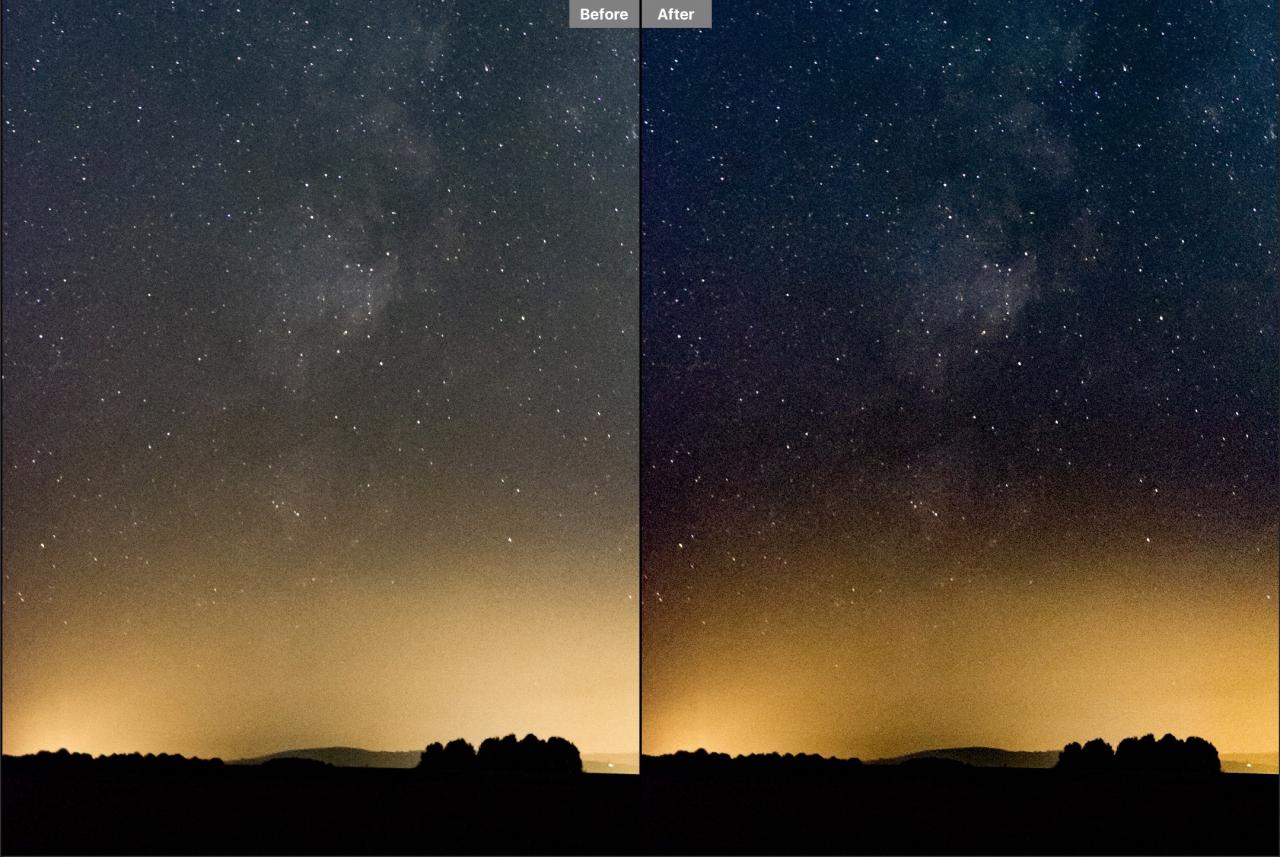
I think it's simply a limitation of the lens. I'm not sure it's officially called vignetting, but that's how I call it! As far as I know, every lens has this kind of issue, more or less pronounced, with different shapes and effects. Here is a picture of my wall with my 18-135mm (wide open, fastest shutter speed available). I moved the sliders to extreme values to reveal that ring: Now, nobody really use these extreme values in real life. I seldom use the clarity slider... However, you can use the "Dehaze" slider, which does a very good job in adding more contrast and revealing the stars, without turning the photograph into a Jackson Pollock painting. In Lightroom > Develop, it's in the "Effects" menu.
-
Hello Edmond, Don't buy an X-T2. It's an awesome camera, with tons of features, superb image quality and one of the best mirrorless around. But it's also very expansive, and lenses are too. When you're 18 and you get to buy your first car, you don't buy the latest Porsche. You start small. Then eventually, you sell your first car when you're more comfortable and get a more recent/bigger/more powerful one. I believe that's the same with photography. Right now, Canon, Nikon, Sony, Olympus, Fujifilm all make great cameras. You can buy any entry level from these brands and you'll get fantastic image quality, lots of features and you'll be able to learn photography. The only difference between these brands might be: - The size of the cameras: DSLR are bigger and heavier - The price: mirrorless are sometimes more expansive than DSLR, depending on the type of camera - The variety of lenses: Nikon, Canon are here since decades, and they have dozens of lenses available, and the second hand market is full of cheap great lenses. Mirrorless are much newer, so the possibilities are smaller. - The design: Fujifilm has a retro look, very similar to film cameras. Handling is much different than the classic "M,A,S,P" modes of other brands. Your first statement is actually not true: today, the cheapest way into photography remains DSLR cameras. They are produced on a bigger scale, and consequently are cheaper. The only reason why you might not want to buy one, could be the size and weight. DSLR remain bulky... - Entry level Nikon + kit lens: $500 > https://www.amazon.com/gp/product/B01KITZKDE - Entry level Canon + kit lens + zoom lens: $480 > https://www.amazon.com/gp/product/B06XKWZ852/ref=s9_acsd_top_hd_bw_bCf6T_c_x_1_w - Entry level Fujifilm + kit lens: $600 > https://www.amazon.com/Fujifilm-X-A3-Mirrorless-XC16-50mm-Kit/dp/B01KNXATL8/ref=sr_1_4 - X-T2 and kit lens: $1800 > https://www.amazon.com/dp/B01I3LNQ6M/ref=twister_B01I3YY3QG To answer your questions: 1. Firstly, a RAW files contains much more data than a JPEG, and what you can do with a JPEG, you can do it with a RAW. And you can do a lot more with the RAW! Now, colour perception entirely depends on the person, so whoever says that this camera brand has better colour is just expressing his personal opinion, nothing more. Camera brands render colours differently, because they use different sensors and technologies. You will need some experience before deciding which one you like and dislike, but I wouldn't worry about it for now. 2. Well, everyone learned photography with a different lens, so you'll have 1000 opinions here. However, I think the 2 most popular lenses are the "18-55mm" zoom lens (aka kit lens), and the "35mm" (equivalent of the classic 50mm in 24x36 format) fixed lens. I would go for a 18-55, simply because it can do almost everything: landscape, portrait, sometimes a bit of close-up. It's small, light, cheap and versatile. Then, when you see its limit, you can start looking for another lens. The 35mm is a great "first prime", especially for portraits and low light, and is usually the cheapest prime available. Or you can buy a wide angle prime, if you do a lot of landscape. Or a bigger zoom, if you need some reach. After spending a year with the kit lens, you will know what you can to invest in. 3. Yes, it's the best Fujifilm camera available, so it's good for everything. But so are all current models, and also older models. And so does my $70 Pentax film camera from 1970. What matters the most when photographing people (if you mean portraits) is actually the lens. The wide aperture of some lenses, and/or the focal length, can isolate the person from the background, and make some nice portraits. The camera you use doesn't really matter here. 4. Full frame systems are generally more expansive than those with a smaller sensors, especially for the DSLR market. The price of the camera itself can be similar, if not lower, but full frame lenses can be more expansive. For mirrorless, it's different, because this is a smaller market, so the prices are higher... There is no rule here, and it's actually quite complex to compare all cameras, because they're all different in terms of features! Anyway, to be honest, you shouldn't even think about full frame now. You will waste your money and your photos won't be better. Once again: will you learn how to drive faster and better if you learn with a Porsche, rather than a small car? So in the end, my suggestion is: - Don't spend more than 500€ in your first camera. You're new, you need to learn the basics. Having a better camera won't make you learn faster. - Select a camera and/or brand you feel comfortable with. Go and try some cameras, touch them, play with them. You won't find any difference between a Sony, a Nikon and a Fujifilm image. But you'll see a lot of differences in their cameras: size, weight, the controls, the way it feels in your hand... This is more important when you start, IMO, than image quality or size of the sensor. - Start small. No need to buy everything new, explore the used market too. You'll save hundreds of $/€, that you can invest in travels (so more pictures!), books about photography, or even workshops. A few cameras that you might like, if you really want to buy a Fujifilm camera: - X-T10 >> this camera is great. It's not the newer model (X-T20 is), but it doesn't mean it sucks. It's been discontinued recently, so you might still be able to find some new ones, at a super price. Otherwise, the used market is full of these. The next model, the X-T20, is also great, but is twice more expansive. - X-E1/X-E2/X-E2s >> same sensor as the X-T10, and almost the same features. It's just a different design, which you might prefer, or not. Personal preference! Also very present in the used market. - X-E3 >> just announced and might be expansive, like the X-T20. - X-T1, X-Pro1 >> same sensor as the X-T10 and X-E1/2/2s, but more advanced. You might be able to find the X-T1 new, but the X-Pro1 only exists used now. - X-T2, X-Pro2 >> too expansive and complex for a beginner, IMO. Lens: as I said above, I would go with the kit lens, the 18-55 f/2.8-4 >> the best lens you can buy as a beginner. Very good image quality, small and light, versatile. You can do a lot with this lens! Take a look at other brands too. Entry levels DSLR from Nikon and Canon are awesome, and not that big. I learnt photography on a Nikon D60, with the 18-55 kit lens. I used both for 3 years before buying another lens! Sony has great APS-C cameras too (a6000 series), but they cost a lot. The Micro 4/3 brands as very nice as well (Olympus, Panasonic). You can't go wrong with any of them. The main differences are more in the size, the design and the price. Take a look at the Olympus OM-D EM-10 for instance, it's a great camera, small, with lots of features, and is just a bit more expansive as its DSLR counterparts (around $600 with kit lens): https://www.amazon.com/Olympus-Mirrorless-Digital-Camera-14-42mm/dp/B01CIXJSOK/ref=sr_1_1?s=electronics&ie=UTF8&qid=1506125514&sr=1-1&keywords=Olympus+OM-D+EM-10 Hope this helps! Sorry for the long post... Good luck Konzy
-
Hey guys, I just received my Samyang 135mm f2, and it looks like an (heavy) awesome beast! I'll use it for astro, and perhaps some other things. When inspecting the lens, I noticed a big space between the rear lens element and the mount, and was wondering if a teleconverter would fit. Some guy on a german forum claims that he could use the 1.4x teleconverter, but I haven't seen any picture. Has anyone ever tried? That would be awesome to have a 270mm f4, especially for astrophotography, where this lens excels! I have the same question with extension rings. The new 80mm macro lens looks great, but very expansive... I read here and here about using extension rings on this 135mm lens, but haven't seen any example so far. Would any of you have any example? Thanks for your inputs! Konzy
-
Fujinon XF80mm Announced: First Looks, Samples and Product Images
konzy replied to Patrick FR's topic in Fuji X Lenses
Damn... Looks gorgeous! It's available for pre-order in Amazon DE: https://www.amazon.de/Fujifilm-XF80-F2-8-Makro-Objektiv-Autofokus-schwarz/dp/B075CQH3YK/ref=sr_1_9 -
Perhaps you should give it a try with a fixed target first, like this one: http://www.eronn.net/camera/test-chart/resolution%20test-chart.jpg I guess it's the best way to see if your lens has an issue or not!
-
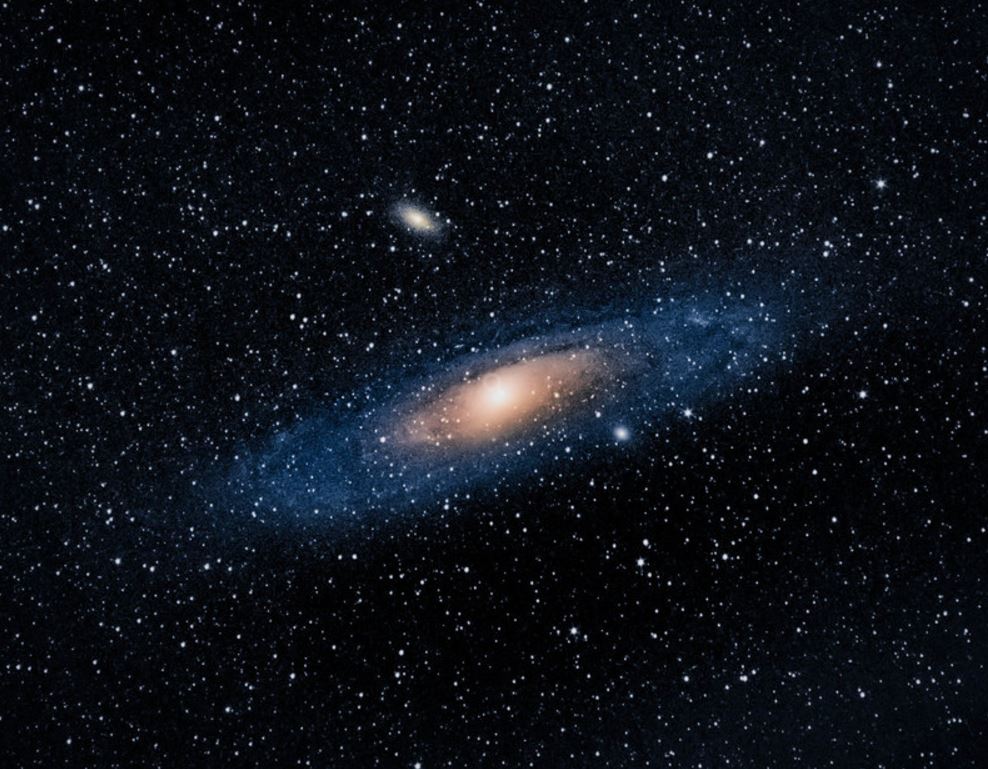
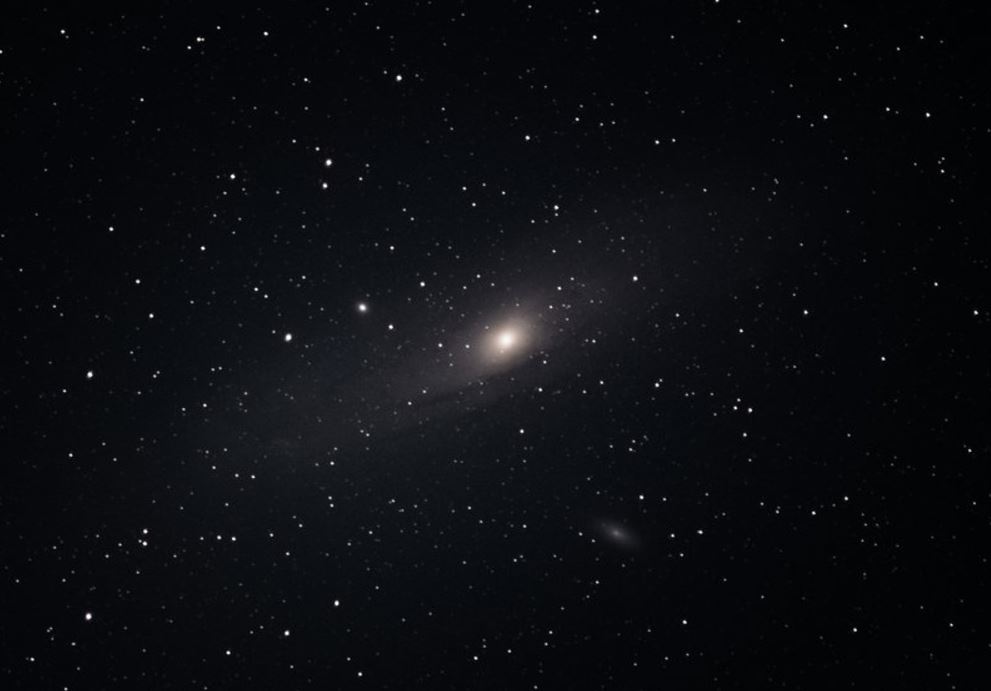
Hey guys, So I finally had the time to continue my space adventure. I got really better in mastering both the software and the hardware! And yet, so much to learn... Here is the picture from my 1st post, reworked with better settings. The X-Trans sensor is kind of new for stacking softwares, and without the proper settings, it introduces some kind of ugly canvas in the picture. I was able to correct it though, by tweaking some options in Deep Sky Stacker. Looks cleaner, but still a bit blurry/foggy! A few days later, I had another attempt. The conditions were much better: - no Moon (it was just after the eclipse!) - Andromeda was higher in the sky: the higher, the better, because light has to travel through less atmosphere. And the atmosphere is full of light pollution, particules, clouds, humidity... - The polar alignment was much more precise than the first time, so managed to do longer poses (1 min vs 30 seconds) Here is one RAW image, SOOC: After stacking in DSS and correcting in Lightroom, I managed to get this: I didn't like the colors, so I converted everything to B&W. Then, I made a color version, just for fun! I got inspired by some Apple wallpaper that I used on my computer, a few years ago. Things I need to improve: - Reduce the noise - Shoot from a less light-polluted area (but I only have a bike, so I'm limited!) - Improve the tracking to make longer exposures (aiming at 2 min) - Improve the post-production Cheers! Konzy
- 14 replies
-
- 4
-

-
- astro
- astrophotography
- (and 1 more)
-
Fujinon XF80mm Announced: First Looks, Samples and Product Images
konzy replied to Patrick FR's topic in Fuji X Lenses
Well, I'm very disappointed. That 80mm looks great, and I've been waiting for it since I sold my Nikon 105mm, but hell, it's very pricey! I'm very skeptical: could this lens beat the marvelous Nikon 105mm macro lens, which is 300€ cheaper? Is it worth the investment? I feel like I'd be buying a house... Nice move from Fuji, anyway. This lens has no competition in the Fuji ecosystem: - Samyang only has MF lenses - Autofocus and image stabilization won't work on adapted Nikon, Canon, Sony, Sigma, Tamron... lenses - Fuji's 60mm is only a 1:2 lens, has no OIS - Raynox adapter, tubes... lol So if you want this focal length, and a built-in autofocus and OIS, you're stuck with an probably awesome but 1150€ lens! Damn...