Leaderboard
Popular Content
Showing content with the highest reputation on 08/11/2025 in Posts
-

Streetphotography (open thread)
George_P and one other reacted to Abdulrahman Almsalam for a topic
xt50 + 23mm f2 2 points
 -

Streetphotography (open thread)
Abdulrahman Almsalam reacted to jerryy for a topic
Welcome to the forum.1 point -
Astro-photography (open thread)
MARRIEDGUY9 reacted to jerryy for a topic
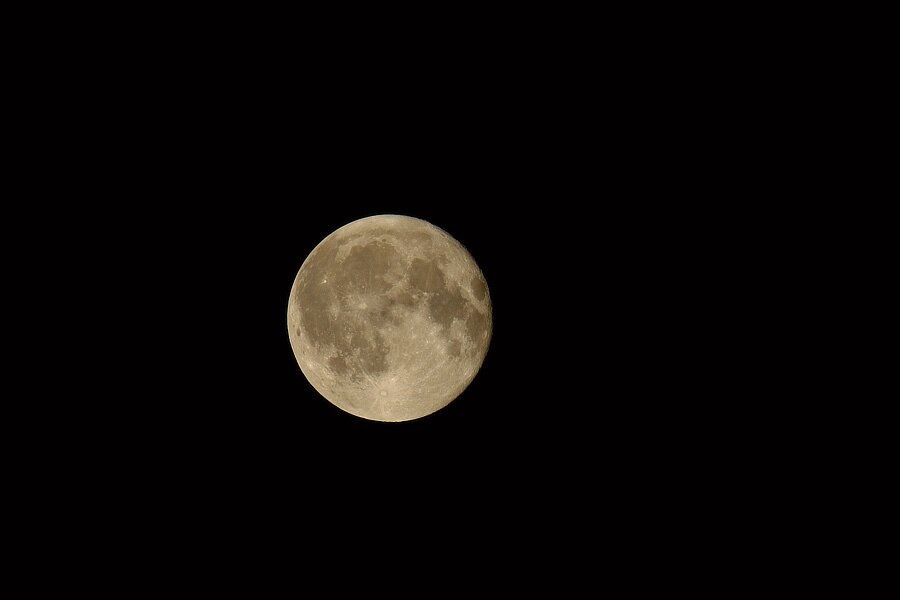
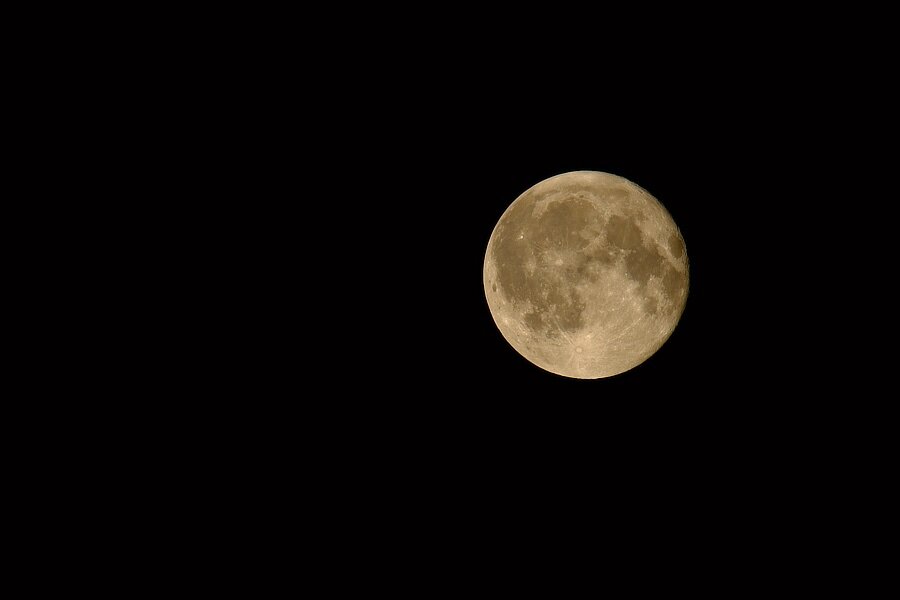
Sometimes questions about cameras' resolution and astrophotography pop up. More often the questions are noise related, but 'are more pixels better' has its fans. 'Sometimes, it depends' is about the best answer out there. I think maybe it is better to instead ask back 'do you use your camera for daytime photography as well and do you like the images you get?' If so, then stick with the camera you have. Everything from pixel size to smoke levels or turbulence in the atmosphere to the telescopes' optical limits and so much more impact how images turn out. There are so many rabbit holes to fall into, that if you go down into them, it may be many years before anyone sees you come up for air. 😄 There are two things though that can be said 'with certainty' about using a higher resolution camera in place of your current gear: 1. The angle of view becomes wider in the higher resolution camera's image. Think of it as if you use a normal lens to get a photo, then put on a wide angle lens and take the same photo. The region covered by the higher resolution camera is wider. 2. The supporting equipment; mount, tripod, image processing gear, etc. etc. become much more [expletive deleted] expensive 😇, that is you need a sturdier tripod and mount, more computer -- drive space and powerful processors, and so forth and so on. From last night's Sturgeon Moon, an example: Both of these images are taken of the same subject using the same lens, at just about the same time, but with two different camera bodies. I got a first set of images, took the first camera body off of the lens, put the second camera body onto the lens and got a second set of images. Tamron 150-600mm at 600mm. F16, 1/60s, ISO 160. 6240 pixels x 4160 pixels. Tamron 150-600mm at 600mm. F16, 1/60s, ISO 200. 4896 pixels x 3264 pixels. Okay, so they look the same or close enough. That is because both images have been scaled to 900 pixels wide. That and the essentially empty backgrounds are misleading. Here are crops from the full size images: 1801 x 1505 pixels (scaled to 900 pixels wide in this image) from 6240 x 4160 pixels leaves 4439 pixels wide for other stuff. 1178 x 1205 pixels (scaled to 900 pixels wide in this image) from 4896 x 3264 pixels leaves 3718 pixels wide for other stuff. If you like your camera's images, use it for daytime and night photography. There is not much good in chasing resolution hoping more pixels will better resolve astronomical objects just like they do in the daytime images, making the fluff on distant bird feathers pop out. As a thought, those beautiful images from the Hubble are made using "The UV/optical channel has two CCDs, each 2048×4096 pixels, while the IR detector is 1024×1024." (*1) The new James Webb Telescope is using an array of 4 megapixel cameras similar to how terrestrial giga-pixel images are made. (*2) I believe other agencies such as the European Space Agency (ESA) do something similar with their gear. *1 https://en.wikipedia.org/wiki/Wide_Field_Camera_3 *2 https://space.stackexchange.com/questions/58179/4-megapixels-seems-rather-low-why-werent-james-webbs-sensors-updated-to-highe Sturgeon Super Moon: https://nasaspacenews.com/2025/08/sturgeon-moon-2025-two-magical-nights-under-one-full-moon/ edited to upload the correct cropped images.
1 point